Chasing Gretzky: The Gr8 Quest

By: Joe Pohoryles

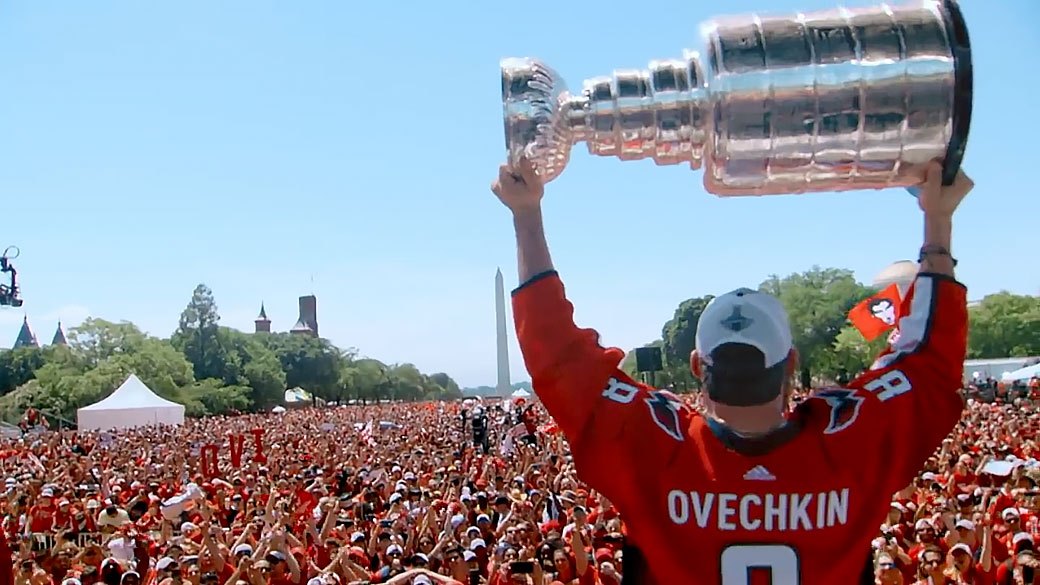
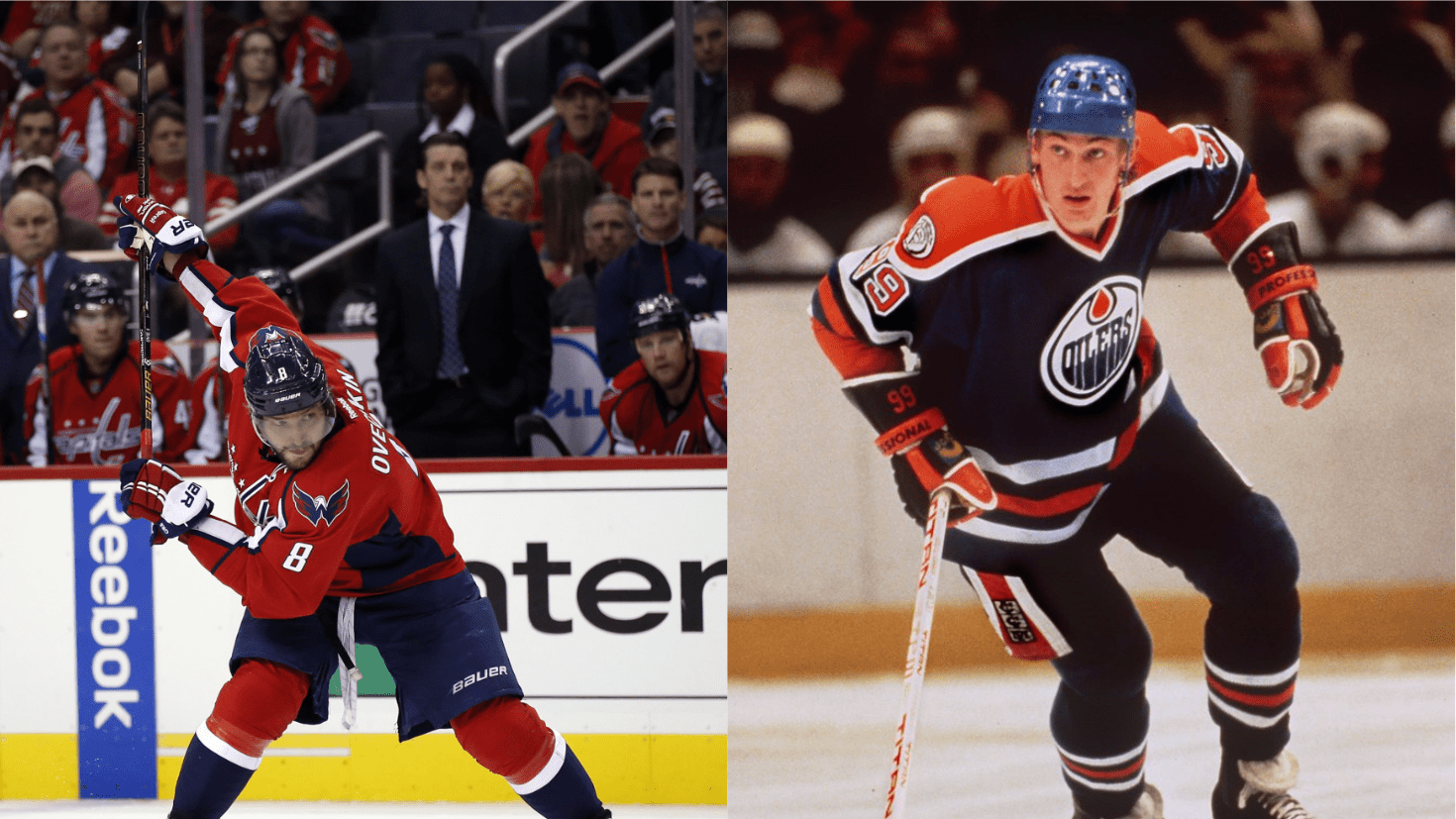
In 1999, the greatest player to ever grace the ice hung up his skates. At 38 years old, after over 20 years of dominance, Wayne Gretzky retired with 61 NHL records, and he still holds or shares those records today.

One of those records is for most career goals. Gretzky finished with 894 goals, 93 more than the next highest person on the list, Gordie Howe. It appeared this record – like many of his others – would be unbreakable.

Yet in the year 2020, a potential challenger for the record slowly creeps up the leaderboard, inching closer and closer to what initially seemed impossible. Sitting tied for the 11th-most goals all-time, Alex Ovechkin, the greatest scorer of his generation, appears to be the only person with a realistic shot at breaking the record.

It is by no means a certainty. At age 34, with exactly 210 goals needed to tie the all-time record, a lot needs to fall into place. Just one major injury could put the record out of reach. Injuries can never be predicted, but the Russian Machine will have to, well, remain a machine to make breaking the record a possibility.

Ovechkin himself has claimed he will not continue to play just to catch the record, though he did joke that he’d instantly retire if he were to ever break the record. In true Ovi fashion, it seems that when he feels he is done, he will be done. Some Capitals’ insiders have even speculated he may return to Russia to play in the KHL before the record can be reached, perhaps as early as the expiration of his contract in 2021.

Nevertheless, the chase for the record is alive and well, and I will return on the eighth of every month during the NHL season to check in on his progress. (I know this first installment is being posted on the ninth, but whatever, I couldn’t wait until February. Sue me.)

In this first edition, I’m going to break down his current pace to try and gauge how much time he would need to break the record under the best-case scenario. In the future, more analysis will be done in addition to what you will see here, but to officially start this journey, I am just going to lay out what is already known and work from there.

The top 10 goal scorers in NHL history

  1. Wayne Gretzky – 894 (1,487 Games Played)
  2. Gordie Howe – 801 (1,767 GP)
  3. Jaromir Jagr – 766 (1,733 GP)
  4. Brett Hull – 741 (1,269 GP)
  5. Marcel Dionne – 731 (1,348 GP)
  6. Phil Esposito – 717 (1,282 GP)
  7. Mike Gartner – 708 (1,432 GP)
  8. Mark Messier – 694 (1,756 GP)
  9. Steve Yzerman – 692 (1,514 GP)
  10. Mario Lemieux – 690 (915 GP)

Alex Ovechkin (as of Jan. 9, 2020) – 684 (1,129 GP)

Top 5 career goals per game rates (among the players listed:)

  1. Mario Lemieux – 0.754 Goals Per Game 
  2. Alex Ovechkin – 0.606 GPG 
  3. Wayne Gretzky – 0.601 GPG
  4. Brett Hull – 0.584 GPG
  5. Phil Esposito – 0.559 GPG

This means Ovi, across his career, has been scoring at a rate near-identical to Gretzky himself. He is on pace to have 901 goals by the time he plays as many games as Gretzky did, good enough for the record. This does not mean much on its own, as his overall goal scoring rate is sure to go down as he ages, but it tells us that based on career averages alone, it’s certainly within the realm of possibility.

Assuming Ovi plays every game the rest of the season, minus the one he will be suspended for due to missing the All Star Game, he has 36 games left this season. Through 45 games, he has scored 26 goals. This puts him on pace for 46-47 goals by season’s end. 

Maybe he’ll go on one final tear by the end of the year to reach 50 in one season yet again, but either way he should at least be close. If we go conservative with a total of 46, that would make his career total 704 by the end of the season, giving him sole possession of eighth-most all-time. He would also be just four goals behind a name he’ll soon be joining in the rafters of Capital One Arena, Mike Gartner.

Ovi’s GPG through 45 games in 2019-20: 0.578

Ovi’s GPG in the last five full seasons (2015-2019): 0.583 (236 goals in 405 games)

As you can see, his scoring rate is slowly declining, as the last five years are down from his overall career average, and this season’s is slightly lower than that. The man is 34 years old, so to even be scoring this much at his age is a feat of its own, but it will not get him the record any quicker.

If we project his career total to be 704 by season’s end, and he manages to continue scoring at the rate he has been for the past five full seasons, which appears impossible, but should at least provide a best-case scenario, then:

Goals needed to break record: 191

Ovi’s GPG: 0.583

Games needed to score 191 goals: ~328

Number of seasons: 4 full 82-game seasons

Coincidentally enough, if Ovi enters the 2020-21 season with the projected 704 career goals, continues to score at the rate he had been from 2015-2019, and never misses a game, he’d be projected to break Gretzky’s record on the final regular season game of the 2023-24 season, which in this scenario would be his 1,493rd game, six more than Gretzky ever played.

This, of course, won’t happen. For starters, he will not play all 82 games for the next four seasons, even if he doesn’t get suspended for missing the All Star Game. His goal scoring rate will not remain where it has been for the past five years, and he may not even have 704 goals by the end of the season. It just won’t come together that perfectly.

By the end of the 2023-2024 season, he will be 38 years old. He will not have the record by then, but he should certainly be able to play beyond that age, at least if he wants to. As this series goes along, I will try to find better ways to make projections, and follow his progression as he climbs the ladder.

For now, we have our best-case scenario, and the math that proves it’s at least possible that by the end of the Great 8’s career, he will have the record for most career goals in NHL history.

(Cover Photo Credit: AP Photo/Alex Brandon; Flickr.com)
The Pohory-list: Top 25 under 25

By: Joe Pohoryles

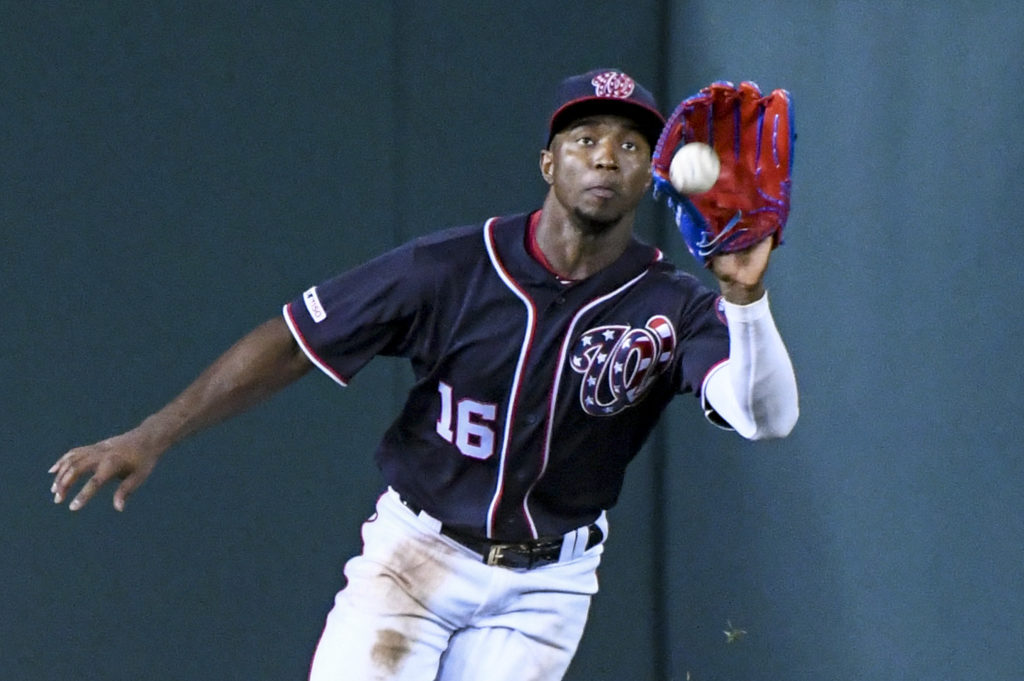
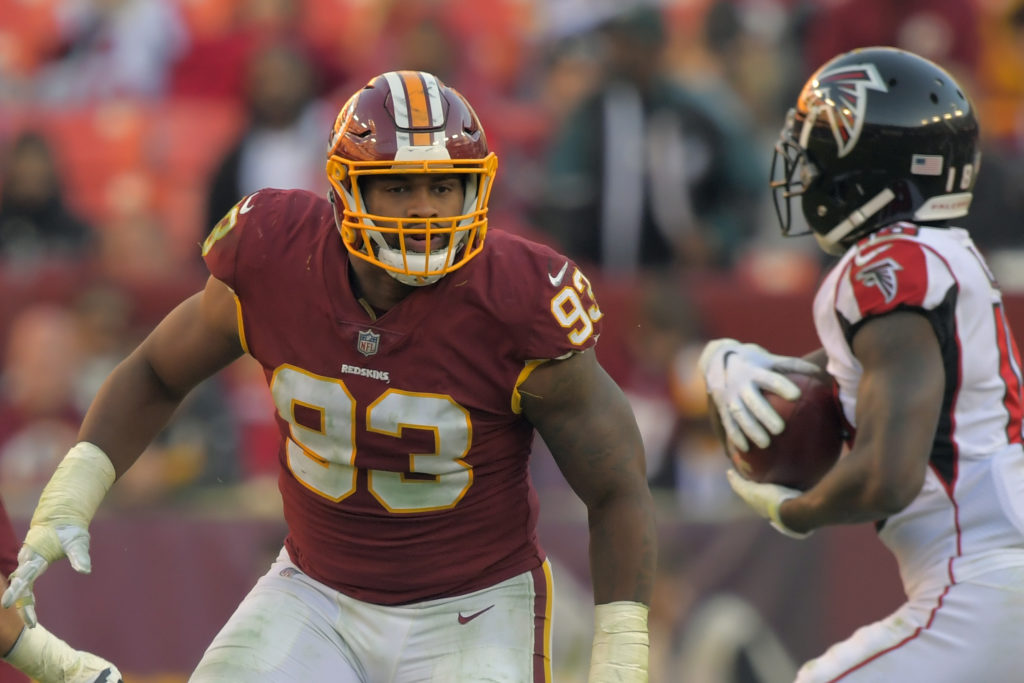
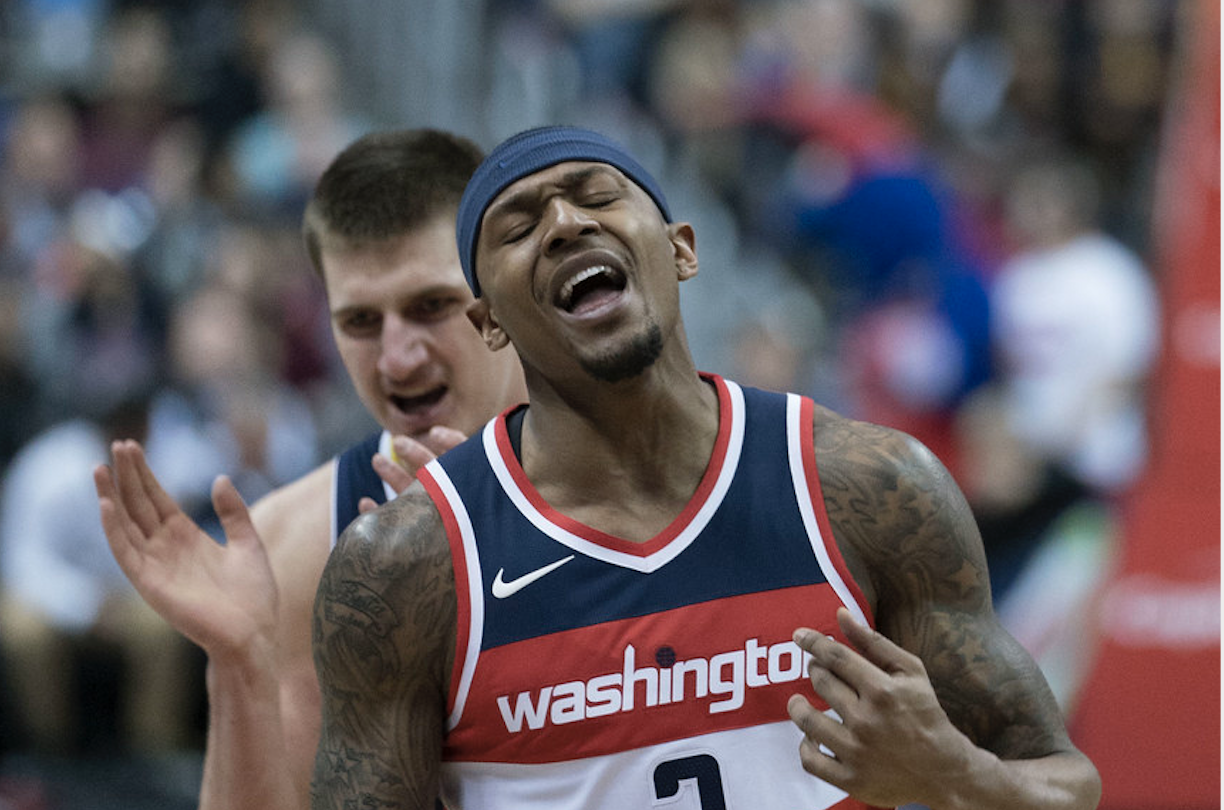
Entering 2020, the Big Four DC sports teams are in vastly different positions. The Capitals and Nationals are enjoying great success, coming off recent championships and in great position to capture a second. The Wizards and Redskins, however, are in dark days, and are already looking to build a brighter future.

The players greatly responsible for that future can already be found on Washington’s rosters today, some already among the best on the team, others waiting to crack into the top level. None of these young men can rent a car, but they will soon be in the franchise’s driver’s seat. Here are the top 25 players on DC sports teams that are under 25 years of age:

(Note: This is how they currently stand, and is not based on potential impact. *= minor league player.)

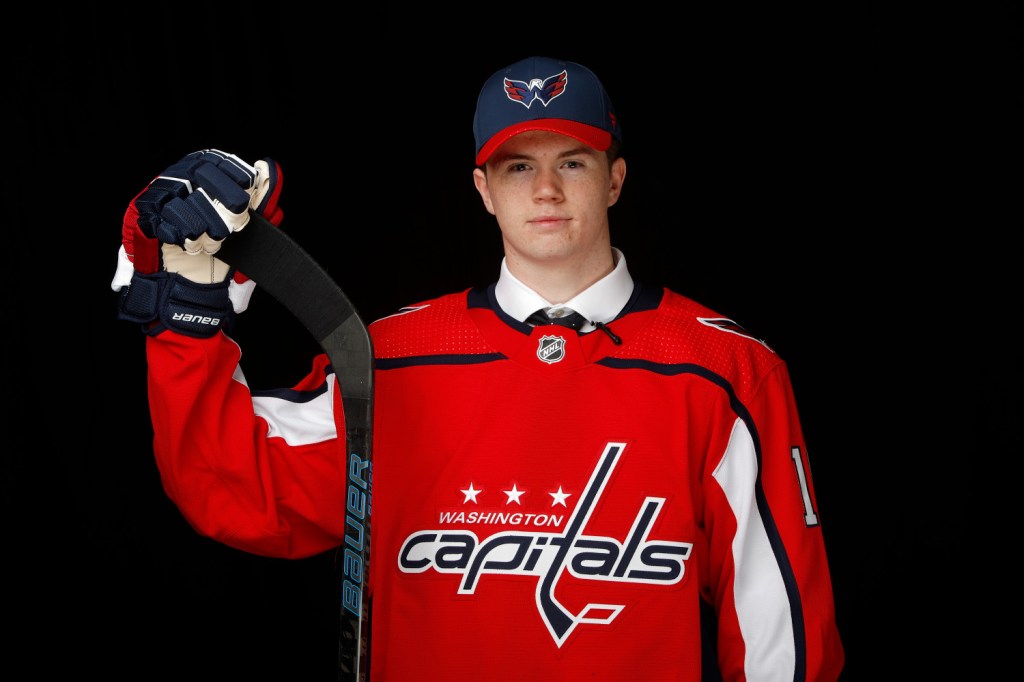
25. C Connor McMichael, 18 (Capitals*)

24. D Martin Fehervary, 20 (Capitals*)

23. INF Carter Kieboom, 22 (Nationals*)

Connor McMichael was the 25th overall pick of the 2019 NHL Draft, and has turned in impressive performances for the OHL’s London Knights and Team Canada in the World Juniors. (Photo Credit: Kevin Light/Getty Images)

These three have extremely limited experience at the top level, but are three bright spots in the future of their respective teams. McMichael was the Caps’ 2019 first-round pick and has been lighting it up with the London Knights. He’s tied for fifth in points in the OHL with 59 (25g, 34a) in just 27 games. He just helped Team Canada win gold at the World Juniors, scoring once in the gold medal game, and he turns 19 in a week.

There have been rumblings about Fehervary potentially joining the parent club from Hershey, as the blue line is in need of improvement, and he has been doing well in the AHL. Kieboom was expected to be the Nats’ starting second baseman in 2020 before the signing of Starlin Castro, but he should still be a regular in the majors sooner rather than later.

22. F Admiral Schofield, 22 (Wizards)

21. DT Tim Settle, 22 (Redskins)

20. OG Wes Martin, 23 (Redskins)

19. OT Geron Christian, 23 (Redskins)

18. WR Kelvin Harmon, 22 (Redskins)

17. F Isaac Bonga, 20 (Wizards)

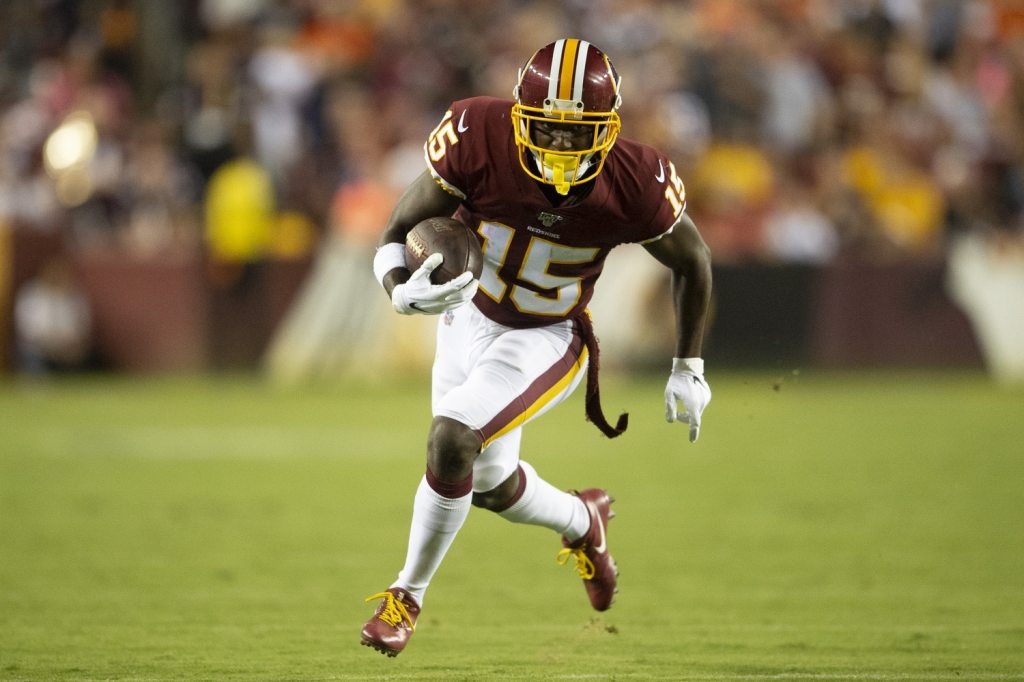
16. WR Steven Sims, Jr., 22 (Redskins)

Steven Sims Jr., an undrafted rookie out of Kansas, has turned into a versatile special teams and offensive weapon that the Redskins will look to utilize even more in 2020. (Photo Credit: Tommy Gilligan/USA Today Sports)

This pack of players are guys with varying levels of upside, but will likely remain in the reserve roles they currently hold. That does not make them any less important. Settle is likely to cycle into what should be a loaded defensive front for the Redskins in 2020, and Martin and Christian will be serviceable depth for an offensive line that has a lot of pieces to put into place.

The Redskins are in need of pass-catchers, and Harmon and Sims look primed to take big steps after promising rookie campaigns. Bonga and Schofield still have a lot of room to develop for the Wizards, but could easily turn into valuable bench assets someday.

15. F Mo Wagner, 22 (Wizards)

14. G Troy Brown, Jr., 20 (Wizards)

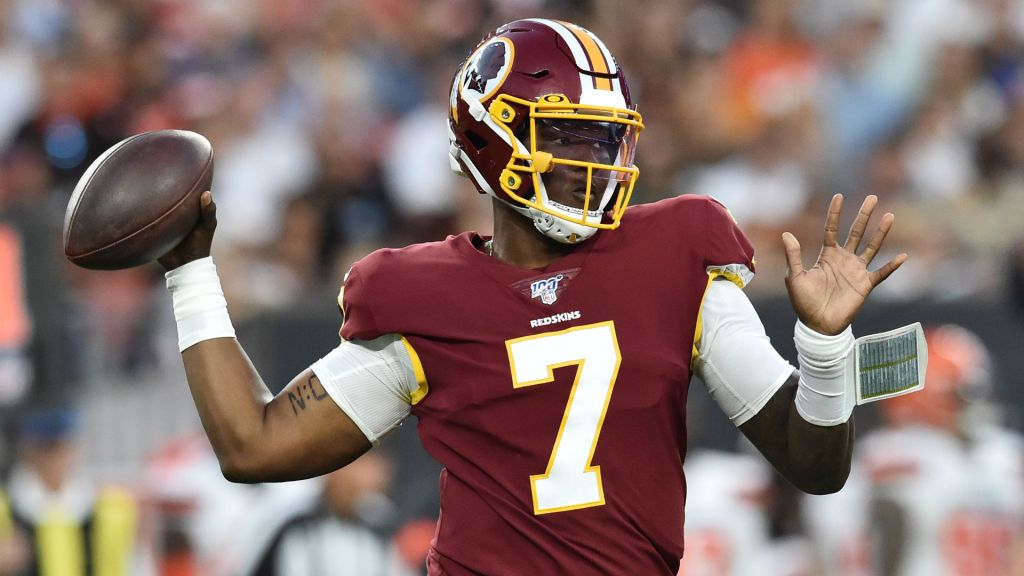
13. QB Dwayne Haskins, Jr., 22 (Redskins)

12. DT Da’Ron Payne, 22 (Redskins)

11. DE Montez Sweat, 23 (Redskins)

Dwayne Haskins had an up-and-down rookie season, but showed signs that he could develop into a star quarterback. (Photo Credit: NBC Sports Washington)

These guys still have room to grow but have shown a lot of promise. Wagner and Brown have shown flashes of brilliance, and Brown has even been pushed into a starting role with all the injuries the Wizards have experienced this season. The two could very well develop into key pieces on future teams.

Haskins was drafted to be the quarterback of the future, and he seemed to improve with every game toward the end of 2019. It will be interesting to see how he will mesh with the new coaching staff and offensive system, but his talent has everyone hopeful.

Sweat and Payne certainly top the list for most intimidating names, but have otherwise had quiet starts to their career, especially relative to their first-round pick status. Still, Sweat finished his rookie year with seven sacks (5.5 coming in the final eight games), and Payne looks poised to take the next step in year three. Both should star in a fearsome D-line in 2020.

10. LB Cole Holcomb, 23 (Redskins)

A 2019 fifth-rounder, Holcomb was a pleasant surprise, leading rookies across the league in tackles with 101. With a linebacking core that was perceived as a major weakness, and has seen a lot of turnover in recent years, Holcomb could provide much-needed stability and production, especially with new head coach Ron Rivera and defensive coordinator Jack Del Rio at the helm.

9. D Jonas Siegenthaler, 22 (Capitals)

Jonas Siegenthaler earned consistent playing time during the 2019 Stanley Cup playoffs, and has been on the third defensive pair ever since. (Photo Credit: NHL.com)

Another surprise, Siegenthaler has brought solid play to an otherwise shaky defensive unit in 2019-20. He has been a fantastic fit on the third pair, and has proved he can be a fixture on the blue line for years to come. 

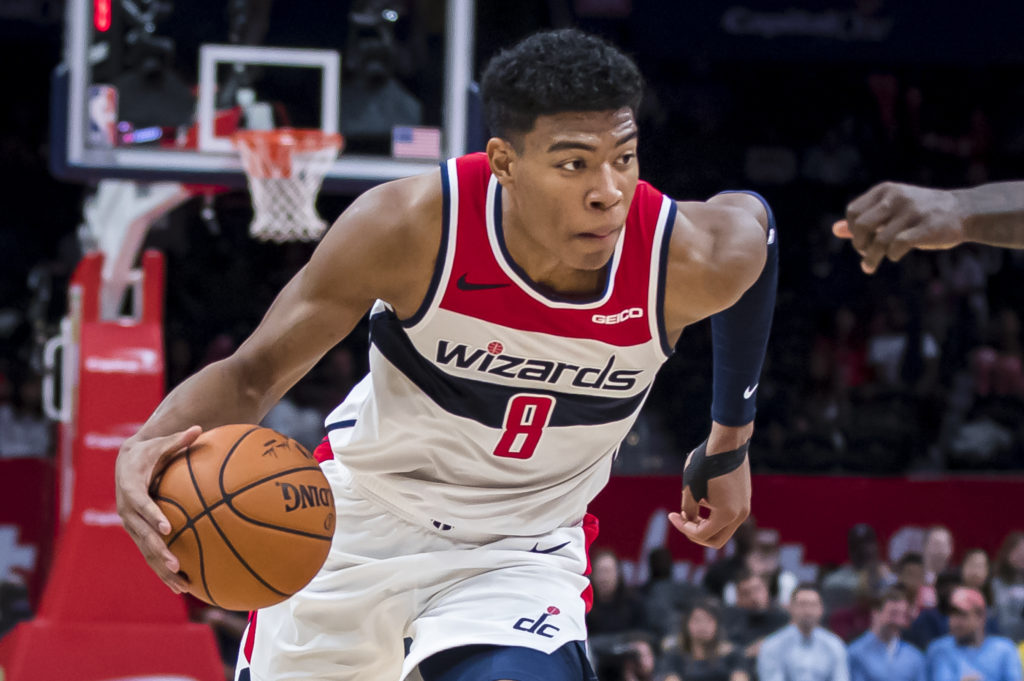
8. F Rui Hachimura, 21 (Wizards)

His selection at ninth overall in 2019 was a bit of a head-scratcher, but when he has been healthy, “Japanese Jordan” has proven his playing style transitions to the NBA level. At 21, he’s physically more mature than most rookies. The 2019 Julius Erving Award winner (for best small forward in college basketball) should remain a fixture in the starting lineup when he returns from injury.

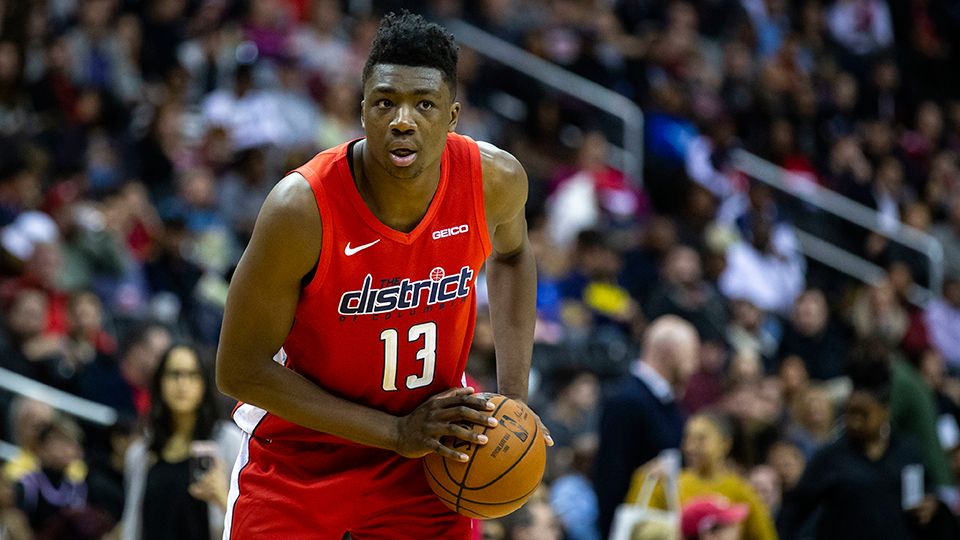
7. C Thomas Bryant, 22 (Wizards)

After struggling to break onto the Los Angeles Lakers’ main roster, Thomas Bryant has become a strong contributor as the Wizards’ starting center. (Photo Credit: AP Photo/Al Drago)

Another key player on the injury report, Bryant’s gritty play around the rim earned him the starting center role and a three-year, $25 million deal to remain in DC. After shining in the G League with the Lakers organization, the former Indiana Hoosier has proven his worth as a quality starter at the NBA level. Hopefully he and Hachimura can be longtime frontcourt partners on future playoff teams. 

6. G Ilya Samsonov, 22 (Capitals)

The Caps’ top prospect entering this season, Samsonov was called up to be Braden Holtby’s back-up and has shined. He became the fastest rookie to reach 10 wins in franchise history, needing only 12 starts, and has quickly emerged as one of the best young netminders in the league. With Holtby’s future in question as his contract expires, Samsonov may soon become the new No. 1 in DC.

5. OF Victor Robles, 22 (Nationals)

After a solid rookie campaign, Victor Robles will be relied on at the plate even more in 2020 after Anthony Rendon departed in free agency. (Photo Credit: Mark Goldman/Icon Sportswire via Getty Images)

The longtime Nats’ top prospect finally broke into the majors for good last season as the team’s starting center fielder. He was consistently at the bottom of the lineup, and he nearly disappeared on offense during the World Series this past October, but overall he turned in decent numbers at the plate, especially for his age and lineup spot. His stellar defense earned him a Gold Glove nomination, and he will soon be relied on for better offense with Anthony Rendon’s departure. His stock is only going up.

4. WR Terry McLaurin, 24 (Redskins)

In a lost 2019 Redskins season, the team at least found a go-to pass-catcher after lacking one for so long. The Ohio State product was among the best rookie receivers in the league despite the instability at the quarterback position. Had he not missed the final week of the season due to a concussion, the third-round pick would have broken the franchise record for most receiving yards in a rookie season. There is a lot to be excited about with “Scary Terry.”

3. LW Jakub Vrana, 23 (Capitals)

Vrana played a key role as a rookie on the 2018 Stanley Cup team, and has since developed into a legit top six forward. He has improved with every season, and has made up big time for the production that was lost through free agency in recent years. At 23, he’s already in his third full NHL season, and should remain a major part of the team’s future after the Ovechkin era eventually reaches its end.

2. DT Jonathan Allen, 24 (Redskins)

Jonathan Allen, who played high school football in Ashburn, Virginia, has quickly become one of the Redskins’ best players. (Photo Credit: John McDonnell/The Washington Post via Getty Images)

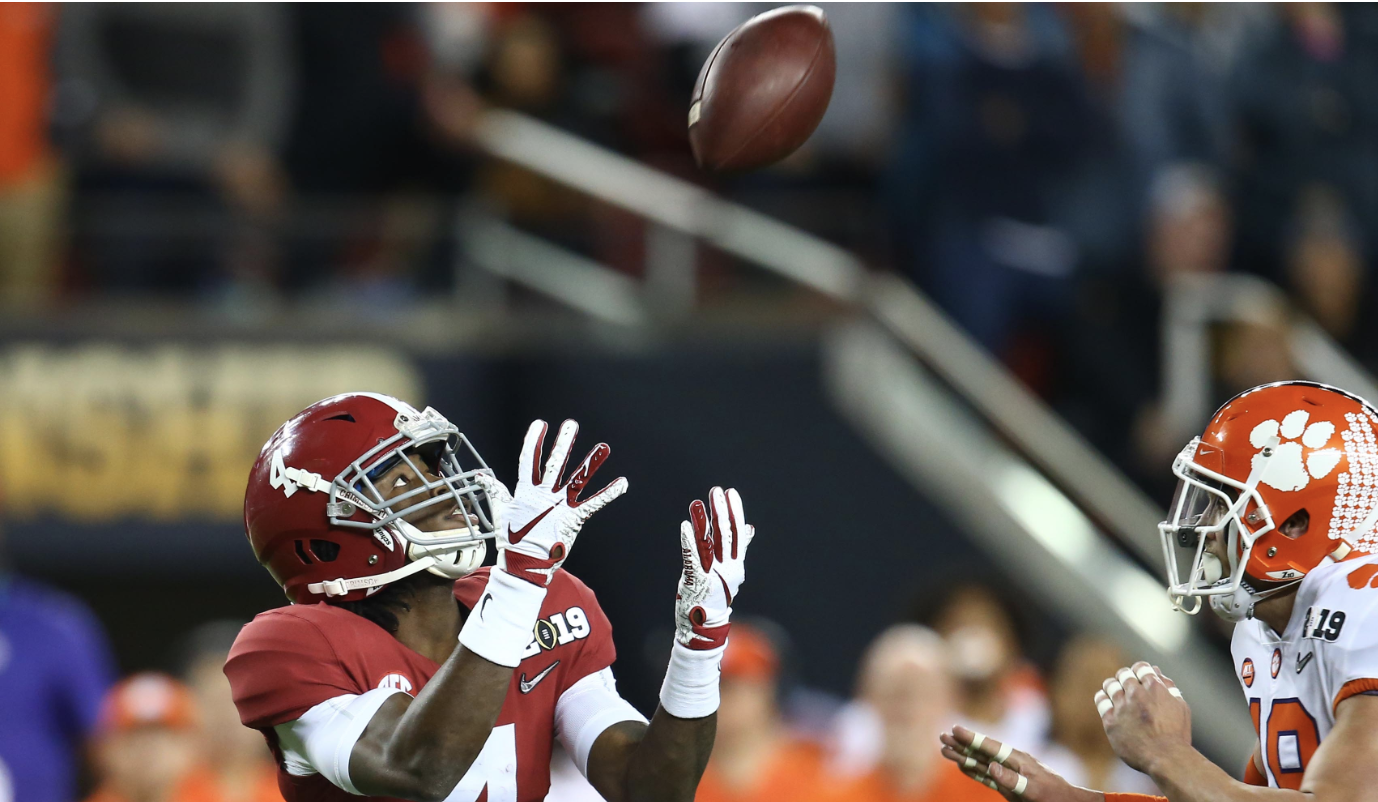
During his final college season at Alabama in 2016, it was widely expected the eventual Nagurski/Bednarik winner would be among the first players selected in the 2017 draft. A shoulder surgery coming out of college sunk his stock slightly, but the Redskins’ front office was shocked and delighted when Allen fell into their lap with the 17th pick. After an injury-shortened rookie season, Allen has arguably become the team’s best defensive player. He’s developed into a leader as well, becoming a defensive captain in just his third season. He should benefit greatly from the Rivera-Del Rio hirings, and help lead the team back to relevancy.

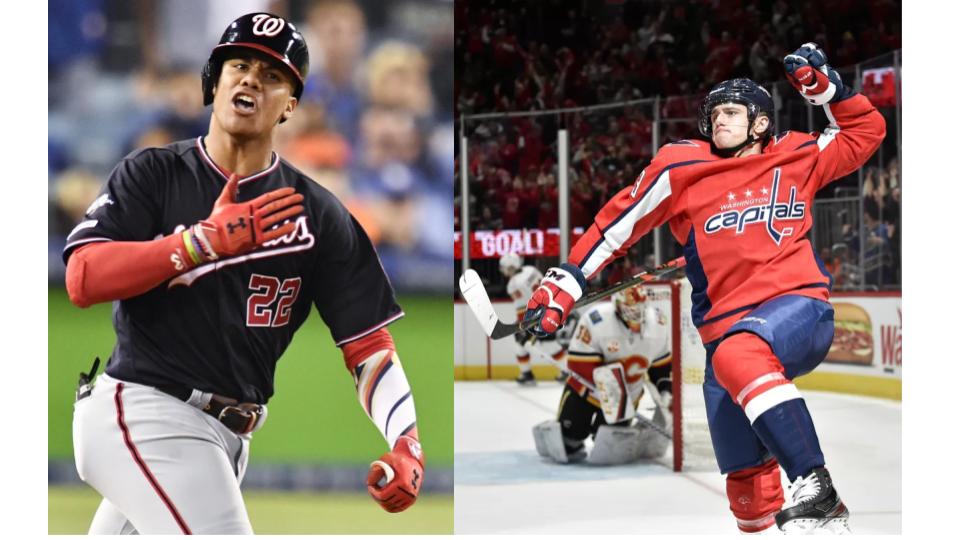
1. OF Juan Soto, 21 (Nationals)

After playing an irreplaceable role in the team’s World Series run, “Childish Bambino” enters 2020 as not only the best batter on the Nationals, but also among the best in the major leagues. His Gold Glove nomination and Second Team All-MLB nod prove his all-around talent, but his flair at the plate and highlight reel dingers make him one of the most exciting players in The Show. He has an argument for best player in DC of any age, making his selection for the top player under 25 a no-brainer.

(Cover photo credit: USA Today Sports, Getty Images)

The Wizards are the most confusing team in the NBA

By: Joe Pohoryles

In the 2019-20 season, many things have been certain from the jump: the two L.A. teams are western conference favorites, Giannis Antetokounmpo seems likely to repeat as MVP, and the Warriors dynasty is over – for now, anyway.

Yet through all the certainties, one thing remains unclear, and that is the Washington Wizards. On the surface, there’s nothing strange about them. A John Wall-less roster floundering at the bottom of the conference, not at all relevant on the national scale outside of Bradley Beal lighting up the scoresheet from time to time.

They will likely miss the playoffs yet again, wind up with a top-ten pick, and continue to slug tediously through the remainder of Wall’s giant contract. As unremarkable as they seem, they stand as one of the biggest enigmas in the entire league.

Sitting at 12-24 upon the publishing of this article, they have lost exactly twice as many games as they’ve won at this point in the season. Yet they have more success with the basketball in their hands than the vast majority of the league. They’re more potent than LeBron & AD’s Los Angeles Lakers, more prolific than the defending-champion Toronto Raptors, and more lethal than the revamped Boston Celtics.

Yet they would get smacked in a seven-game series against any of them.

So why am I making these claims? Well, statistically, I am correct. The Wizards are currently fifth in points per game in the entire league. They are among the best offensive teams this year. They score more on average than all the teams I just mentioned, and every other team except for the Houston Rockets, Milwaukee Bucks, Dallas Mavericks and LA Clippers.

Those four other teams are all in playoff positions. They are led by at least one superstar (James Harden, Giannis, Luka Dončić, and Kawhi Leonard/Paul George). Milwaukee and LA have legit championship aspirations, and both of the Texas teams are capable of making a run. What makes the Wizards similar to these teams in terms of production, yet so different when it comes to results?

The Wizards do not have a transcendent superstar at the helm. Beal is one of the best players in the league, but he’s certainly not in the top 10 like the other four teams’ stars are. The Wizards will not even make the playoffs, but they still score at the levels similar to a contender.

It’s not like the supporting cast is carrying the weight. Sure, Davis Bertans is shooting the ball really well, and the mix of youth and veterans have shown flashes, but there’s hardly been anything sustainable. Plus, practically every relevant player on the roster has spent some time on the injury list so far. There’s just no real foundation to rally around.

Of course, the reason why they’re not a playoff team is no mystery: they allow the most points per game across the entire league. You can’t have sustained success if you can’t play defense. What’s more confusing is the fact that this cast of characters, continually shuffling on and off of the injury list, can still produce on offense at a high level.

Even more confusing is their game-to-game track record, especially in their most recent games. Some nights they look like the worst team in the league, the next day they inexplicably topple playoff teams.

On Dec. 26, the Wizards lost by 30 points to the Detroit Pistons, who improved their record to a measly 12-20 with the 132-102 win. Just one Piston scored over 20 points (Christian Woods with 22), so there was no monster performance to attribute the loss to – it was just an all-around beat down. Two nights later, the Wizards fell 107-100 to the lowly New York Knicks, just days after they beat them 121-115.

After two losses to two poor teams, the Wizards rebounded to slam the resurgent Miami Heat 123-105. It was Miami’s ninth loss on the year, and their starters did not even play poorly. Jimmy Butler poured in 27, and three other starters scored at least 14.

It was Wizards’ guard Jordan McRae that shocked with 29 points, and two-way player Garrison Mathews added 28 of his own. (That’s two-way player as in, “also plays in the G League,” mind you.) Miami is a playoff team, and the Wizards blew them out of the water.

The team then lost 122-101 to the mediocre Orlando Magic on New Years Day, and fell 122-103 to the Portland Trail Blazers two days after. Two underwhelming opponents, two blowout losses.

Right after, they turned things around again, this time against two playoff teams. First they beat the Denver Nuggets 128-114, overcoming a 39-point night from Jamal Murray and a Nikola Jokic double-double. Journeyman Ish Smith had a career-high 32 points for DC, and Troy Brown Jr. brought 25 points and 14 rebounds off the bench. It’s different guys every night.

In their most recent game, a Wizards starting lineup consisting of Isaiah Thomas, Jordan McRae, Isaac Bonga, Gary Payton II and Ian Mahinmi beat the Celtics, who had every one of their top players available except for Kemba Walker. Smith and Brown Jr. each had another stand-out game, and the team allowed just 94 points in the 99-94 win.

We’ve seen teams rise and fall to the level of their competition, but having such drastically varied results against teams at every point of the competitive spectrum, in such a condensed amount of time, it’s something I’ve never seen.

The Wizards don’t have much to play for this season (except for a few things I pointed out in one of my last articles), but the results they have had this season, especially in recent weeks, make them among the most interesting teams in the NBA, and not for the best reasons.

How the Caps can best prepare for another Stanley Cup run

By: Joe Pohoryles

The Caps have played 41 games this season, and with 41 games to go, look to be in good shape for another playoff run at the end of the season. They are tied with the Boston Bruins for most points in the league with 59, they lead the Metro division by six points, and look like one of the best teams in hockey. 

They’ve dropped a few games recently, which is to be expected after such a hot start, but this is a team to be reckoned with. Alex Ovechkin is still a scoring machine, John Carlson is the front-runner for the Norris Trophy, and Jakub Vrana is poised to smash his career-high for points in his third full NHL season. This team appears to have what it takes to lift Lord Stanley just two years after they did it the first time.

But more has to be done, and quick.

The window is closing. The team’s core is aging, and this appears to be the last year in which winning a Stanley Cup is realistic. Ovi is 34, Nicklas Backstrom is 32, T.J. Oshie is 33, and Carlson turns 30 in a week. Braden Holtby is 30 and under the last year of his contract, and Backstrom will be a free agent as well.

With little cap space available, GM Brian MacLellan will have to be crafty when coming down to potential deadline deals, but for now, here’s what the Caps will need to do to get into the best possible shape through the second half of the season.

Solidify the defense

When Nick Jensen was acquired at last year’s deadline and immediately signed to a four-year extension, it was assumed he’d be able to slide right in and contribute as the right-shot defenseman on the second pair, especially once Matt Niskanen was swapped out for Radko Gudas before this season. That has not come to fruition.

So far, Gudas has been playing more in the second pair, and that says more about Jensen’s play than it does about Gudas’s. Neither are terrible, but both just appear to be better suited as third-pair defensemen, leaving a hole in the second pair.

Filling that hole is much more difficult with a tight salary cap, and with the team currently trying to “bank” space for later in the season, a move cannot be expected until right before the deadline. There are not too many top four right-shot defensemen on the market, much less ones the Caps could afford to take on, so they may be forced to resolve the issue internally.

Whether it’s as simple as Jensen stepping up his play (which really can’t be relied on as Plan A), or bringing someone up from Hershey – namely Martin Fehervary, who has been performing really well, can play on either side, and would have a low cap hit – the blue line must be strengthened by season’s end.

Find the best combination for bottom-six production

This one is less time-sensitive, as specific line combinations don’t really matter too much until the postseason actually begins. 

Despite the fact that many of the top point producers are 30 or older, Evgeny Kuznetsov is 27 and is currently third on the team in points. Tom Wilson and Vrana have also stepped up their production this year, and are 25 and 23, respectively, so there’s a good mix of experience and youth.

The biggest concern for the offense is the third line. The fourth line has been nearly as productive as the third, and has even got more ice time in some recent games. That should not become a usual occurrence. Carl Hagelin, Lars Eller and Richard Panik make up the third line. Hagelin and Panik each experienced long-term injuries at different points in the season, so the line’s chemistry is not the best, but that’s not the only issue.

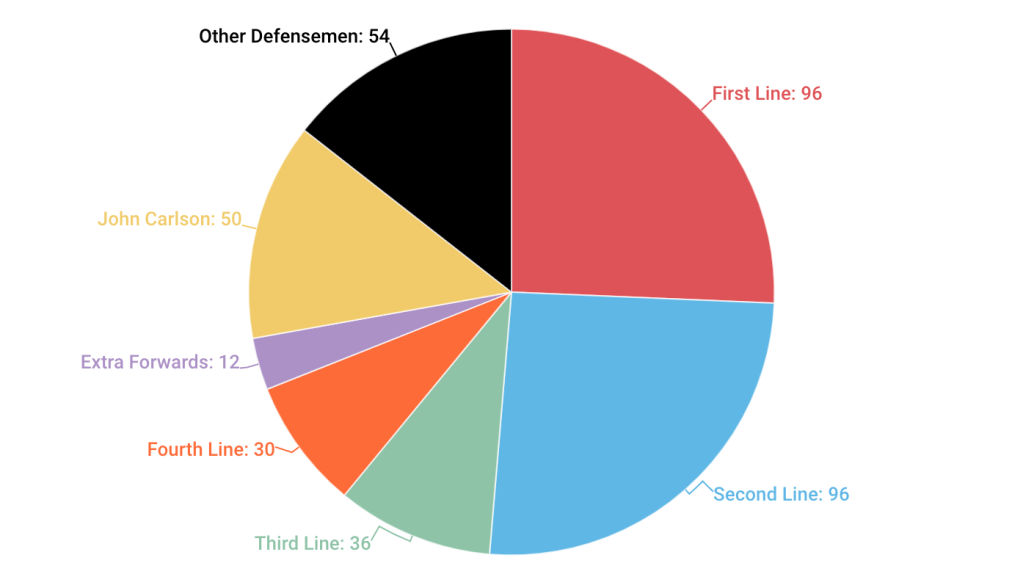
Capitals’ point-scoring distribution after 41 games

With the top six producing over half of the team’s points, there’s a steep drop-off when it comes to the third line. John Carlson (the team’s leading scorer) and the other blue liners have picked up some of the slack, but depth scoring needs to be improved in order for the team to make a run. (Infographic by Joe Pohoryles)

Panik has largely been a disappointment since he signed this offseason. He has just six points (4g, 2a) in 31 games. He was never expected to be a top producer, but the numbers have to be better. Hagelin is not paid to score goals, but he did not even light the lamp this season until Dec. 27, his 28th game. Both guys are in the first year of four-year deals, and have virtually zero chance of being moved to another team, so they simply have to start playing better.

With the need at defense, and the cap tight enough as is, it would be hard to imagine the team making a big move for someone to bolster the third line, so the second half of the season will be all about finding the right fit. Eller is locked in at third line center, but it will be interesting to see who will be with him by season’s end.

There’s speculation Oshie could move down to third line, being 33 with many hard minutes played in his career, having less ice time on a nightly basis could work out better for him in the long run, and his offense would certainly boost the third line. However, there is not a strong candidate to replace him in the top six, and there’s no use in hurting the top six just to help the third line. 

Garnet Hathaway and Brendan Leipsic are strong fourth liners, and should stay there, and there does not seem to be any worthy replacements in Hershey, so there are not too many options in this situation either.

Avoid winning the Presidents’ Trophy

This one is more superstition than actual hockey, and it’s certainly not on the team’s list of objectives, but history does not bode well for Presidents’ Trophy winners. Since its inception in the 1985-86 season, the Presidents’ Trophy winner went on to win the Stanley Cup just eight times, the last one being the 2012-13 Chicago Blackhawks.

The Caps themselves won their first Presidents’ Trophy in 2009-10, and famously got dropped in the first round by the Montreal Canadiens in seven games. It was considered by many to be the worst first round upset in NHL history. That is, until the 2019 playoffs, where the historic 62-win Tampa Bay Lightning got swept by the Columbus Blue Jackets in the first round, the most recent example of the Presidents’ Trophy winner falling short.

The Caps were considered title favorites in both the 2016 and 2017 playoffs, winning the Presidents’ Trophy in both seasons, but falling to the Pittsburgh Penguins in the second round both times. Pittsburgh went on to win the Cup… both times. It appeared the championship window had closed for the Caps after the 2017 playoffs.

We all know how that story ended. Though the Caps did not win the Presidents’ Trophy the next season, they did win the Stanley Cup. Of course, failing to win the Presidents’ Trophy will not guarantee the Stanley Cup. It didn’t happen last year. However, the Stanley Cup playoffs churn out more upsets than any other seven-game series playoff system, so overcoming the Presidents’ Trophy jinx should be one less thing this team has to worry about, especially in a sport as superstitious as hockey.

The team is in good shape, just one or two pieces away from being in the best position possible. Whether they can afford that or not is another story, and something worth monitoring as the season goes along.

(Cover Photo Credit: russianmachineneverbreaks.com)

What the Wizards should be playing for

By: Joe Pohoryles

As of the publishing of this post, the Wizards sit ahead of just the New York Knicks and Atlanta Hawks at the bottom of the Eastern Conference, and will likely enter the offseason with decent odds to land a top three pick in the 2020 NBA draft.

While making the playoffs is still theoretically possible, it would take a turnaround of Washington Nationals-sized proportions, and even then it may not be enough. With star point guard John Wall sidelined for the season, there were never expectations this Wizards team would achieve much, but even though the playoffs seem out of reach, there are still important things the team should be playing for:

Development of young players

This applies to pretty much every team in the league, but it’s of even higher importance for the Wizards. The team is currently in an awkward limbo state. They are no where close to being a contender. Even if Wall was healthy and they made the playoffs, there just is not enough talent to go far against Eastern powers like the Milwaukee Bucks and Boston Celtics.

They have not totally blown things up either. Instead of starting fresh and stockpiling a bunch of young talent as the Hawks are trying to do, the Wizards have extended both Wall and Bradley Beal to mega-extensions (signs of a team wanting to contend), but do not have much talent behind them to elevate the team further. Even if they wanted to rebuild, there’s practically no way to move Wall’s contract, as teams are not exactly lining up for soon-to-be 30-year-old point guards coming off an Achilles tear.

With other injuries whittling down the roster, it’s important to use the rest of this season to get the team’s future major contributors more comfortable with playing at the NBA level. 2019 first-rounder Rui Hachimura has been one of the few bright spots on the roster, averaging 13.9 points and a team-leading 5.8 rebounds per game. He’s been sidelined by a groin injury since Dec. 17, but when he returns, the team should be doing all they can to develop his game for the future.

2018 first-rounder Troy Brown Jr. was a raw prospect when the team selected him, but he’s made a solid step forward in his second professional season. His ceiling is not as high as Hachimura’s, but he still has potential to carve out an important role with the team down the line.

Third-year center Thomas Bryant had nailed down the starting center job before suffering an injury of his own after 18 games, and guys like Mo Wagner, Isaac Bonga, and Admiral Schofield are all 22 years old or younger (as are Hachimura, Brown Jr. and Bryant). The team has also called several players up from the G League to fill in for all the injuries, so maybe one or two of those guys will be able to break in as well.

Beal is just 26, and sharp-shooter Davis Bertans is 27. The bottom line is there’s a lot of youth on this roster, and while most appear to be key bench players at best, their development is crucial as they will either serve as much-needed roster depth, or as potential trade assets to improve the team.

The completion of Ian Mahinmi’s contract

Ok, this is not exactly what the team will be playing for, but the contract does expire at the end of this season, which is fantastic news for the franchise. All due respect to Mahinmi as a person, I’m sure he’s a good guy, but his contract has been nothing short of awful. He’s been making between $15-16 million per season, and has played more than 35 games in a single season just once so far, in 2017-18 where he played 77 games, starting none, and averaging just 15 minutes per game.

He has actually been forced into the starting center role with Bryant’s injury, but otherwise never contributed much off the bench, especially compared to his pay. He’s the third-highest paid player on the team by a wide margin, and once his deal is off the books, the team will have more freedom in the salary cap that is already so dominated by Wall and Beal. Whether it’s re-signing the younger players to bigger deals or bringing in a solid starter to elevate the roster, the extra $16 million this offseason should be very nice.

Building a new culture

As I mentioned before, the team is in limbo, and has been for quite some time. They have never taken enough steps to become a legit contender, and they have never fully blown up the roster to start new. The current state of the roster certainly looks like a rebuilding team, but with Wall and Beal locked down for another four years, it will be tough to totally break things down.

Since the team appears to be stuck in the bottom-middle tier for the foreseeable future, the rest of this season should be focused on forming a strong culture the team can build off of in the years ahead. The locker room is not a mess by any means, but it just seems like a random assortment of individuals and not a team. Just Beal, some youngsters, and some older vets. Before the team can win, a better culture needs to be in place.

A better culture does not include tanking. Tanking is not a viable option for improvement anymore. Not only is it much harder to successfully pull off thanks to the lottery rule changes, but it just sends a poor message to the players and the fans.

Looking at this year alone, there are several intriguing talents who will be available at the top of the draft, but they come with a lot of question marks. There is not really one player worth tanking for, in my opinion. The Wizards are bad enough, they don’t need to try to lose, they’ll end up with a decent pick anyway. If they can develop a winning attitude despite the losing, it will become a more attractive place to play in the near future.

There is not much to be excited about in the 2019-20 season for Wizards fans, but by focusing on these three things, they should be in better shape for 2020-21.

(Cover photo credit: The Athletic; Scott Taetsch, Getty Images)

Emergency Post: Ron Rivera hired as new Redskins HC

By: Joe Pohoryles

Numerous reports confirm that the Redskins have hired Ron Rivera as their new head coach. Rivera was fired by the Panthers earlier this season after nine years at the helm. Before that, he was the defensive coordinator for the Chargers. 

The Redskins quickly swipe up one of the hottest names available on the coaching carousel. Rivera has had success as a head coach, including a 15-1 Super Bowl run that fell short in 2015. The Panthers had a down season, and it appeared Rivera’s time in Carolina simply ran out. Months after reports came out about how the Redskins’ coaching job was among the least attractive in professional sports, an established head coach with a solid track record agreed to the job.

With the recent dismissal of Team President Bruce Allen – initially reported to be just out of football operations, but later confirmed to be fired from the organization as a whole (Hallelujah) – the Redskins will also be looking for a new leader in the front office. NBC Sports Washington’s Julie Donaldson reported the team will give Rivera full control and final say during the draft, and will likely hire a GM to share responsibilities with him afterward. Whether that’ll be the case obviously remains to be seen, but it’ll be something to pay attention to.

The General Manager/President position is usually decided before the coach is hired, so the new person in charge can select their own head coach, but Rivera was much sought after and likely needed to be hired quickly. All that matters now is that the new president is willing to work with Rivera, and vice versa. 

In my eyes, this is the best case scenario from a coaching standpoint. Other names attached to the job – former Bengals coach Marvin Lewis, former Ohio State coach Urban Meyer and the Chiefs’ OC Eric Bieniemy among others – either lack head coaching experience at this level, or don’t exactly have the best track record as a head coach. With an organization this dysfunctional, a first-time head coach would have a much harder time turning things around.

With Rivera, however, the Redskins get a well-liked, respected coach who knows exactly how he wants to run his team, something that should at least somewhat improve a rotten culture pervading the locker room. 

This does not mean the Redskins will turn things around. The new GM/president still has to be named, and while Allen is finally gone, Dan Snyder is still the owner, so you never know if/when he’ll insert himself into things. For now, the Redskins landed, who I believe anyway, was one of the best possible candidates for turning this team around, and finally got rid of Allen. More has to be done, but it’s certainly a start.

Life after Rendon: Part 3

By: Joe Pohoryles

The 2020 season is a few months away, and while fans will be celebrating the title all summer long until it must be defended next October, a major piece of that championship team will not be here for the party.

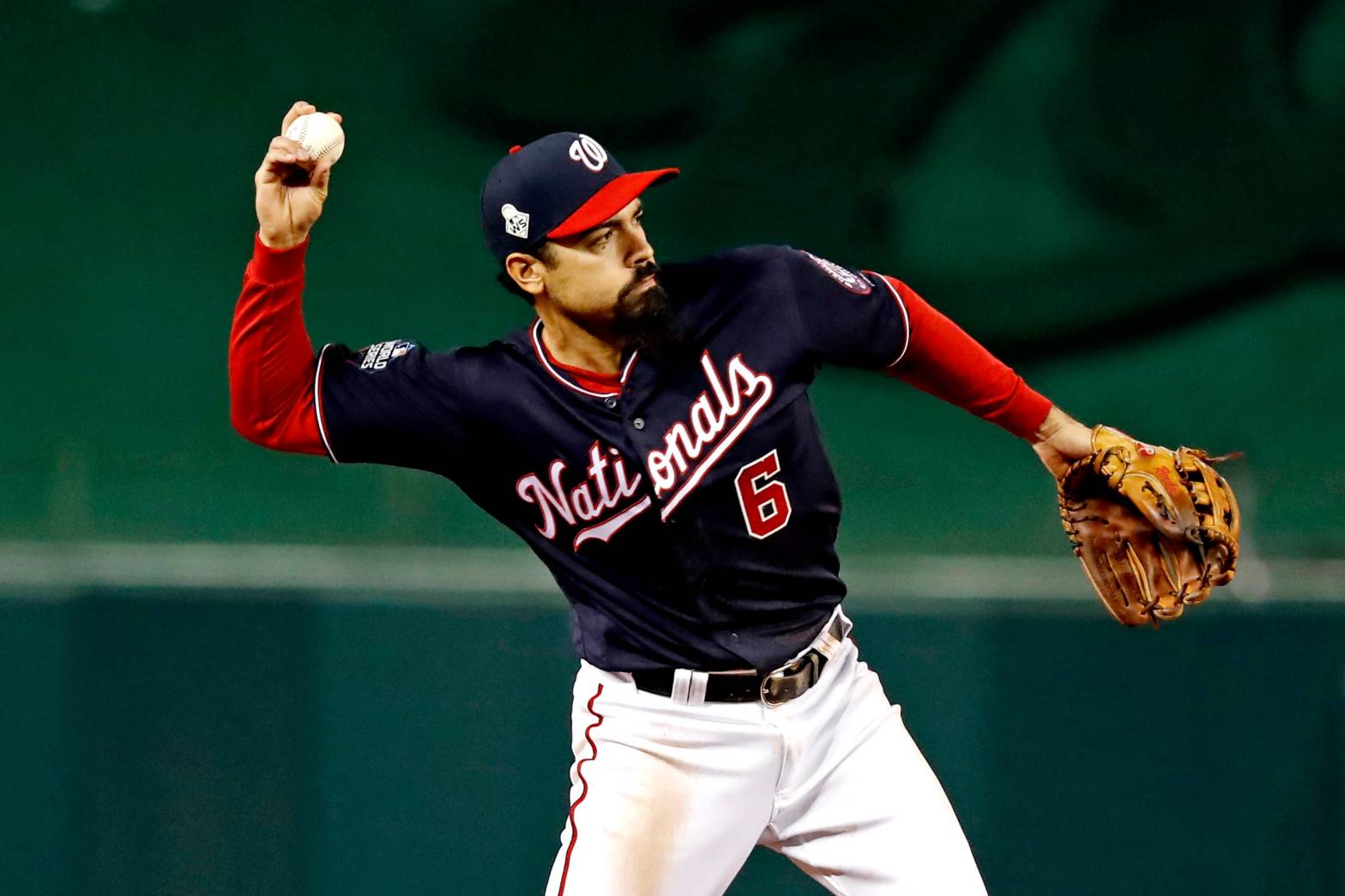
Third baseman Anthony Rendon was the team’s best positional player, and arguably the best overall. In 2019, he was an NL MVP finalist, he led the majors in RBI, and was selected to the inaugural All-MLB First Team. He provided clutch hitting and stellar defense through the season and the playoff run.

But after he refused to sign the seven-year, $210-215 million contracted offered by the Nats earlier this season, he entered free agency, eventually agreeing to a seven-year, $245 million deal with the Los Angeles Angels near the beginning of free agency, and just like that, Tony Two Bags was out the door.

With a roster looking to repeat, in a division where their rivals have made moves looking to take the next step, a suitable replacement is crucial if the Nats want to make the playoffs. Nobody will be able to fully replace Rendon, but as of right now, the team essentially has three options. In three separate installments, I will evaluate these three options, so here is Part 3:

If you missed Part 1, you can find it here.

If you missed Part 2, you can find it here.

Option 3: Find a suitable in-house replacement

Photo Credit: yardbarker.com

If the Nats find themselves out of high-quality options near the beginning of spring training, they will have to act fast, without much to work with. With top 20 prospect Carter Kieboom expected to join the lineup in 2020, is it possible he’s the Nationals’ new starting third baseman?

Probably not. While his natural position is shortstop, Trea Turner has that on lockdown, and it’s been widely assumed for quite some time that Kieboom is coming up to be the main second baseman.

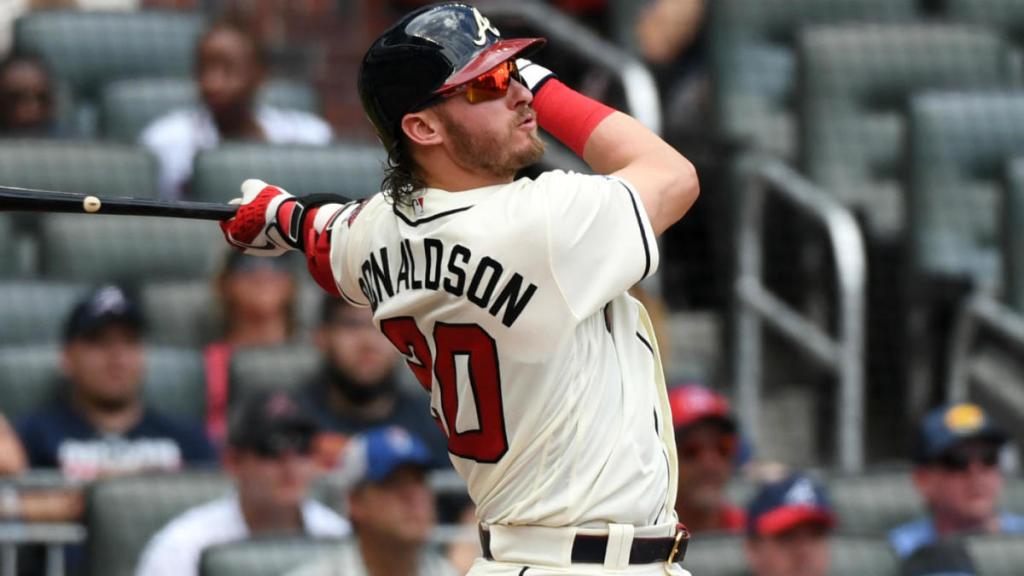
In this scenario, Josh Donaldson is no longer available, and Kris Bryant is off the table, so the next best available third base option on the free agent market is arguably a player who won the World Series with the team this past October.

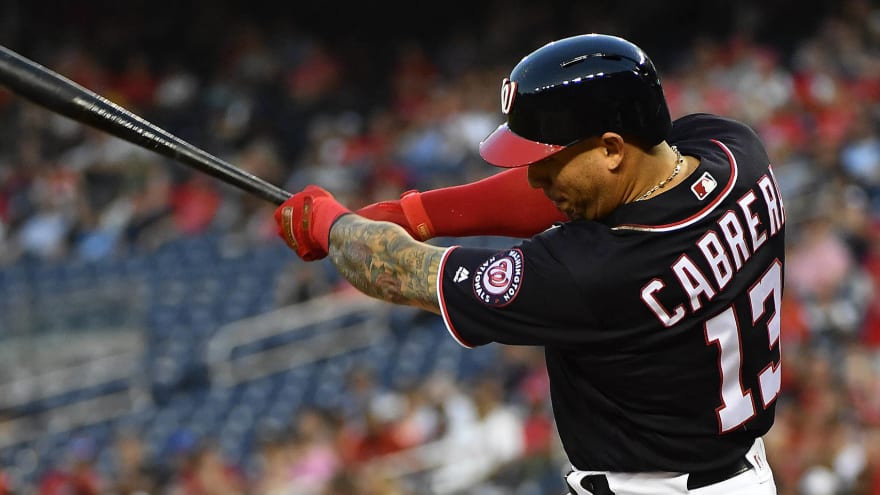
While he barely played third base for the Nats last season, switch-hitting INF Asdrúbal Cabrera has experience on the hot corner. Cabrera was a solid middle-of-the-lineup bat, and played strong defense through the entire playoffs, albeit at second base.

One positive is that he’s 34 years old, and the Nats likely would not have to pay him an exorbitant amount of money. But a negative is… he’s 34 years old. Ryan Zimmerman is expected to re-sign at 35 years old, and Howie Kendrick is turning 37 in July. With no solid third base option, it would be risky to play any of these guys in that position full-time from a defensive standpoint. (Granted, Donaldson is 34, but there’s recent evidence he can play well at third, unlike the current Nats’ infielders).

Distribution of games in each infield position during 2019

Though Cabrera played 98 games at third last season, just five came with the Nationals. Kieboom started 10 games at shortstop in the majors in 2019, the rest of his games came in MiLB. (Infographic by Joe Pohoryles; Information from Baseball-Reference)

Zimmerman of course spent many years as the Nats’ third baseman, so he has experience there, but those days seem far behind him. He likely won’t be the everyday first baseman, much less play third. Kendrick has very little history at third and, while he did play 15 games there last season, is too much of a defensive liability to be the starter there, so Cabrera appears to be the best option of the three.

If Cabrera has to start, the team’s batting will most certainly take a hit, as he does not have the same offensive upside as Donaldson or Bryant. The defense would not improve either, but the team could decide to mix around their options in the infield before finding the best fit.

If it turns out Kieboom does play third, would that mess with his development as the second baseman of the future? Would Cabrera be able to hold up at third or would they have to bring in another guy to platoon with him? The bottom line is this option is the worst case scenario for the prospects of the team’s season, and leaves much more questions than it does answers.

Projected infield in this scenario:

1B: Ryan Zimmerman*/Howie Kendrick

2B: Carter Kieboom/Asdrúbal Cabrera*/Howie Kendrick

SS: Trea Turner

3B: Asdrúbal Cabrera*/Carter Kieboom

*=currently free agent

Why the Redskins should not draft Jerry Jeudy with their first pick

By: Joe Pohoryles

The Washington Redskins are now on the clock… 

Well, technically the Cincinnati Bengals are, but all 32 teams must plan extensively for one of the most exciting events of the offseason: the NFL draft.

When the draft rolls around in late April, the Redskins will own the second overall pick, barring a last-minute trade. It is widely expected that the Bengals will use their top slot on Heisman-winner Joe Burrow from LSU, in hopes of selecting their quarterback of the future. Assuming that happens, the Redskins will be in a prime position to select one of the top prospects in the draft, specifically Ohio State’s standout edge rusher (and Maryland native) Chase Young, a Heisman finalist and the best defensive player in the country.

Another one of those top prospects is Alabama’s superstar wide receiver Jerry Jeudy. The 2018 Biletnikoff winner (awarded to the top receiver in college football) has all the traits you could ask for in a receiver: elite route running, sticky hands and jaw-dropping athleticism.

The Redskins are in need of receiving talent, and Jeudy would help greatly in that department. It seems like the perfect match.

Except it’s not.

The Redskins should not, under any circumstances whatsoever, draft Jerry Jeudy with their first round pick. It would be the wrong move, and that is nothing against Jeudy, nor does it even have to do with Young. Everything I said above is true, Jeudy is a fantastic player, and if the Redskins had to pick a receiver, Jeudy would be my first choice.

The reason why I single out Jeudy is that this year the Redskins are in a great position to take him, and based on the way the front office operates, they may decide to select him, even with Young predicted to still be on the board. (And if they decide to trade back from the two slot, there’s an even better chance they take Jeudy.)

The truth is selecting a receiver in the first round of the draft, especially in the top 10, is just a terrible idea. Of course, every situation is different, but generally speaking, it is not an intelligent move if you are trying to rebuild a football team and have holes in many other places. The Redskins have far more needs than just pass-catchers, and they should look to fill a more impactful position in the first round.

Why do I have such an aversion to first-round receivers? It really boils down to three reasons:

  1. Wide receivers on their own are not impactful enough to justify such a valuable selection.
  2. First-round receivers as of recent have rarely panned out as well as expected, and as a result teams have passed on superstar players in other positions.
  3. Far more top receivers were selected in the later rounds, meaning teams actually have a better chance of finding a diamond in the rough than hitting on a supposedly “can’t-miss” prospect.

Addressing the first point, I only mean that on a relative basis. Having a great quarterback or defensive line are more important to a team’s success than having the best receivers in the league. Randy Moss, Terrell Owens, Calvin Johnson, Larry Fitzgerald and Julio Jones are some of the best receivers in recent history. Combined, they have zero Super Bowl wins. Is that their fault? No, because receivers are not relied on to carry teams to Super Bowls. (And I’m sure you’re screaming “Jerry Rice! Jerry Rice!” which is valid, but how many Jerry Rice’s are there in the world?)

The Redskins selected Josh Doctson (left) in the first round of the 2016 draft, but he never became the top receiver he was drafted to be, and was released prior to the 2019 season. Terry McLaurin (right) was drafted in the third round in 2019, and has already emerged as the Redskins’ top target.

As for the second point, I’m going to list every single receiver selected in the first round of the draft since 2010:

Demaryius Thomas

Dez Bryant

AJ Green

Julio Jones

Jonathan Baldwin

Justin Blackmon

Michael Floyd

Kendall Wright

AJ Jenkins

Tavon Austin

Deandre Hopkins

Cordarrelle Patterson

Sammy Watkins

Mike Evans

Odell Beckham Jr.

Brandin Cooks

Kelvin Benjamin

Amari Cooper

Kevin White

Devante Parker

Nelson Agholor

Breshad Perriman

Phillip Dorsett

Corey Coleman

Will Fuller

Josh Doctson

Laquon Treadwell

Corey Davis

Mike Williams

John Ross

DJ Moore

Calvin Ridley

Marquise Brown

N’Keal Harry

Looking at this list, clearly we see players that have had successful careers thus far. Perennial Pro Bowlers, a few All-Pros, and some of the faces of today’s game. I’m not saying you can’t find great receivers in the first round, but look how many of these names never panned out.

Even out of the ones who did, how much did they really help their teams? Demaryius Thomas had a great season when the Broncos won the Super Bowl in the 2015 season, but it was their defense that got them to where they were. Julio Jones got to the Super Bowl with the Falcons in the 2016 season, but that came at the hands of Matt Ryan’s MVP play. AJ Green and Dez Bryant can’t even say as much, despite being great receivers. Hopkins, Beckham Jr., Evans, Cooper: all great receivers, but their teams have not accomplished much with them.

Again, that’s not their fault. It’s just great receivers are not as impactful as other positions. It’s nice to have them, but certainly not crucial. Moore, Ridley, Hollywood Brown, and even Harry look like they could develop into fine receivers, but looking at the rest of the list, there are far more disappointments than there are standouts.

And by selecting those disappointments, teams have missed out on far more impactful players, and I will use the 2017 draft as an example. That draft saw three receivers selected in the top 10: Corey Davis, Mike Williams and John Ross. Three names that have developed into contributors on their respective teams, but are fairly underwhelming considering the places they were selected.

Davis went to the Titans fifth overall, and the Jets selected safety Jamal Adams sixth, and he is already one of the best defensive backs in the league. Williams went seventh to the Chargers, and the Panthers selected running back Christian McCaffrey eighth. McCaffrey is having one of the best offensive seasons in history. Ross went ninth to Cincinnati, and the Chiefs traded up to 10th to select Patrick Mahomes.

Adams, McCaffrey and Mahomes are some of the best players in the entire league. Davis, Williams and Ross are not even the top receiver on their own teams. If the Redskins were to select Jeudy, that could mean passing up on potential All-Pros, such as Young, cornerback Jeff Okudah, offensive tackle Andrew Thomas and several more.

If we pass up on Jeudy in the first round, there will still be quality options to choose from as early as the second round, if not later. Just look at last year. The Redskins took Terry McLaurin in the third round, and he’s having the best rookie season for a receiver in franchise history, despite issues at the quarterback position.

That leads to my next point. Now I will list some notable receivers selected in the second round or later since 2010:

Golden Tate

Emmanuel Sanders

Eric Decker

Antonio Brown

Randall Cobb

Alshon Jeffery

Mohamed Sanu

T.Y. Hilton

Marvin Jones Jr.

Keenan Allen

Jordan Matthews

Davante Adams

Allen Robinson

Jarvis Landry

John Brown

Tyler Lockett

Stefon Diggs

Michael Thomas

Tyler Boyd

Tyreek Hill

Curtis Samuel

JuJu Smith-Schuster

Cooper Kupp

Chris Godwin

Kenny Golladay

Dante Pettis

Christian Kirk

DJ Chark

Michael Gallup

Marquez Valdes-Scantling

Deebo Samuel

AJ Brown

Mecole Hardman

DK Metcalf

Terry McLaurin

Many of these guys are or were number one receivers on their teams. Plenty have gone to Pro Bowls. Several were arguably the best receiver in the league at some point in their careers (Brown, Adams, Thomas and Hill). All of these guys are as good, if not better than guys like Davis, Williams and Ross. Adam Thielen and Robby Anderson were not even drafted, and they’ve become the top receivers on their respective teams.

The Redskins do need receiving help, but using their top selection on the best receiver available, passing up on potential All-Pros in more impactful positions, is the wrong move. That need can be addressed in the later rounds, likely with better success than the first round pick.

This April, Jerry Jeudy will enter the NFL, and may one day become one of the best receivers in the league. For the best interest of the franchise, we should hope that when his name is called on draft day, Roger Goodell does not hand him a Redskins uniform.

Life after Rendon: Part 2

By: Joe Pohoryles

The 2020 MLB season is a few months away, and while fans will be celebrating the Nationals’ World Series title all summer long until it must be defended next October, a major piece of that championship team will not be here for the party.

Third baseman Anthony Rendon was the team’s best positional player, and arguably the best overall. In 2019, he was an NL MVP finalist, he led the majors in RBI, and was selected to the inaugural All-MLB First Team. He provided clutch hitting and stellar defense through the season and the playoff run.

But after he refused to sign the seven-year, $210-215 million contract offered by the Nats earlier this season, he entered free agency, eventually agreeing to a seven-year, $245 million deal with the Los Angeles Angels near the beginning of free agency, and just like that, Tony Two Bags was out the door.

With a roster looking to repeat, in a division where their rivals have made moves looking to take the next step, a suitable replacement is crucial if the Nats want to make the playoffs. Nobody will be able to fully replace Rendon, but as of right now, the team essentially has three options. In three separate installments, I will evaluate these three options, so here is Part 2:

If you missed Part 1, you can find it here.

Option 2: Trade for a high-end replacement

Photo Credit: Wikimedia Commons

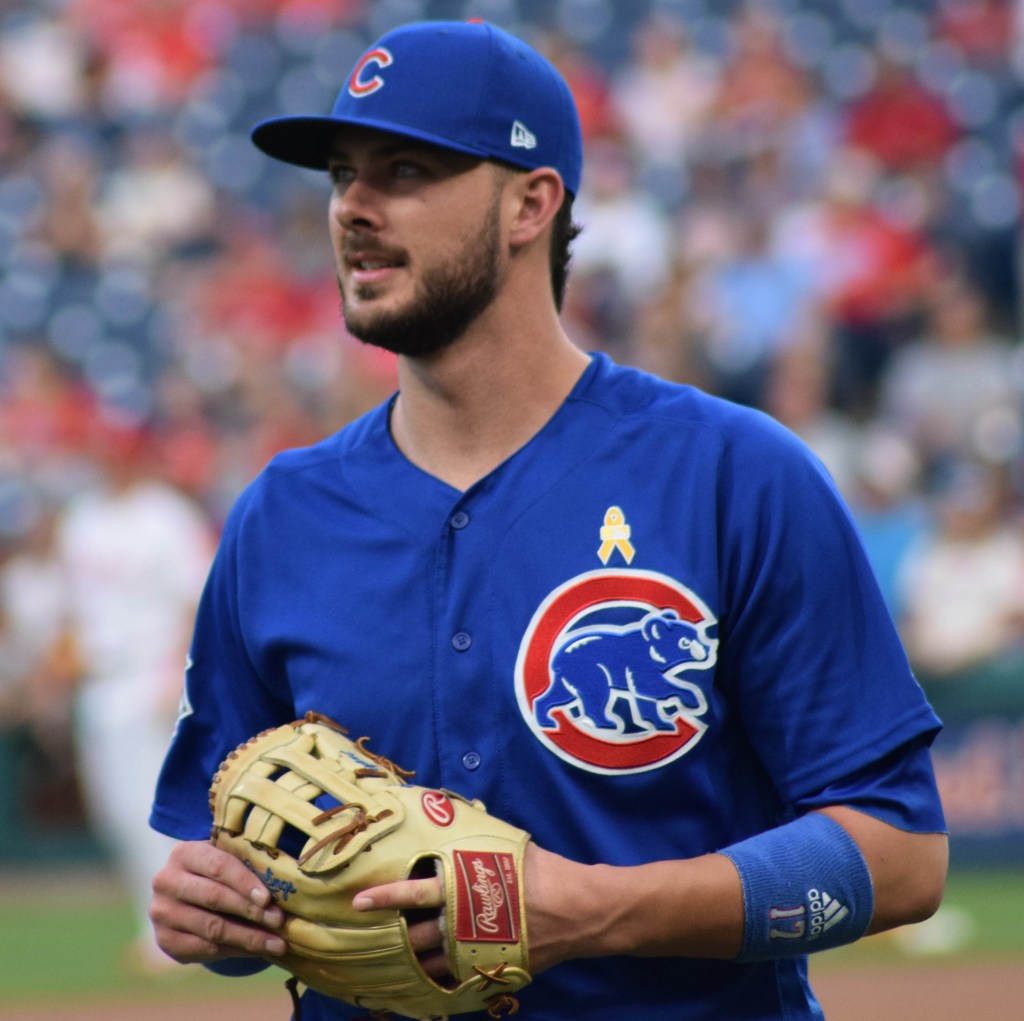
If the Nats miss out on Josh Donaldson in free agency, the only other way to get a new third baseman similar to Rendon’s caliber is to trade for one. The most obvious name that comes to mind is the Chicago Cubs’ Kris Bryant, who reportedly is on the trade block.

Bryant was an All-Star in 2019 for the first time since his sophomore campaign in 2016 , where he earned NL MVP. He hit 31 home runs and 77 RBI with a solid .282 BA (in-line with his .284 career average) this past season. Although he struck out 145 times (compared to Rendon’s 86), Bryant is entering his age 28 season and should be far from declining. Plugging him into the line-up would make him a fantastic long-term solution at third base, depending on whether they could re-up on a contract.

Bryant is set to make $18.5 million in 2020, well below Rendon’s AAV of $35 million. However, he’ll hit his fourth year of arbitration in 2021, then become a free agent before the 2022 season. Whether the Nats would be willing to negotiate a long-term deal is irrelevant if they can’t even afford to land his services, which is a real possibility.

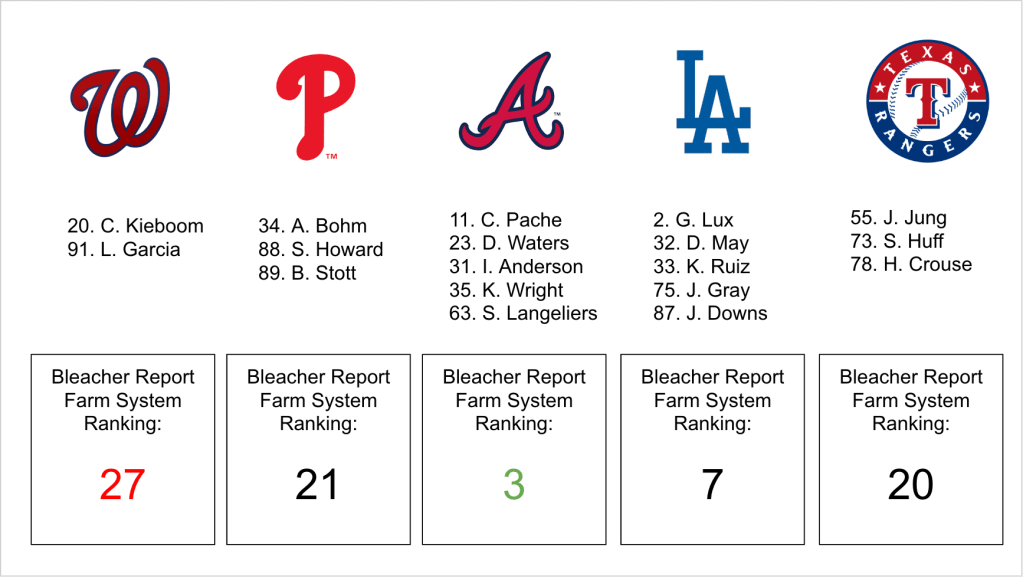
The price of a former MVP still in his prime is clearly steep, and the Nats are not the only team with interest. Currently, the Nats have just two of the top 100 MLB prospects. One of them, INF Carter Kieboom, is expected to be in the Nats’ lineup Opening Day. He’s not going anywhere.

The other, INF Luis Garcia, is just 19 and has loads of potential. With the Nats’ relatively weak farm system, Garcia would likely have to be involved in the deal. The Cubs also inquired about starting CF Victor Robles when the Nats approached them during the winter meetings, an idea that was quickly shot down.

Top 100 prospects among potential Kris Bryant trade destinations

Infographic by Joe Pohoryles; Information from MLB.com and Bleacher Report

The Nats don’t seem willing to give up the players necessary for a deal to get done, and even then it may not be enough, as there are other interested teams with more to offer. In my opinion, giving up Garcia and Robles would not be worth it anyway, especially if the front office would be reluctant to give Bryant a long-term deal.

Bryant to the Nats does not appear to be realistic. The other trade options are extremely limited. The Seattle Mariners’ Kyle Seager is also reportedly on the trade block, and while the 32-year-old will not command as high a price tag, the upside is much too low to warrant giving up anyone of value for him.

Perhaps there will be a surprise trade candidate to explore before the season starts, but it appears the Nats have neither the resources nor the will to trade for someone close to Rendon’s ability. I don’t see this option coming to fruition, but it’s certainly worth evaluating.

Projected infield in this scenario:

1B: Ryan Zimmerman*/Howie Kendrick

2B: Carter Kieboom

SS: Trea Turner

3B: Kris Bryant/Kyle Seager/Mystery trade candidate

*=currently free agent

Life after Rendon: Part 1

By: Joe Pohoryles

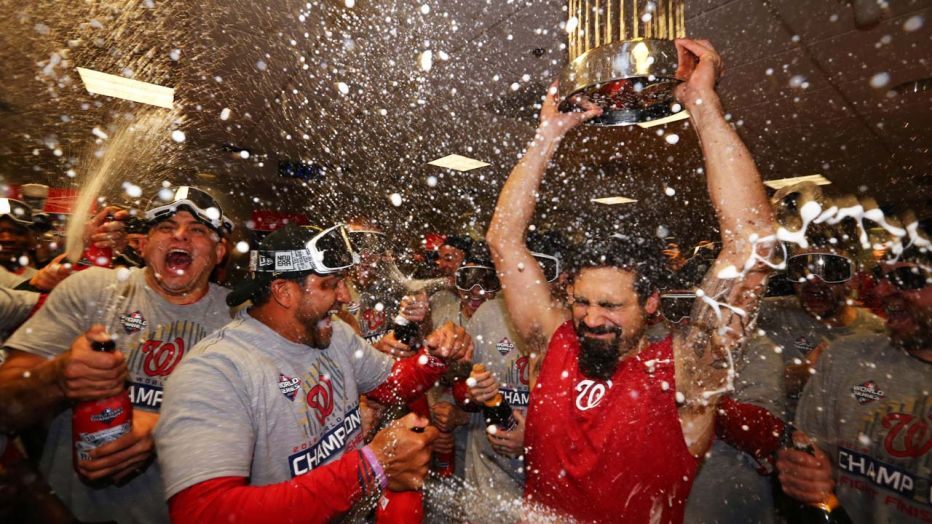
The Washington Nationals are the 2019 World Series Champions.

Sorry, I just love being able to type that out and read it. The 2020 season is a few months away, and while fans will be celebrating the title all summer long until it must be defended next October, a major piece of that championship team will not be here for the party.

Third baseman Anthony Rendon was the team’s best positional player, and arguably the best overall. In 2019, he was an NL MVP finalist, he led the majors in RBI, and was selected to the inaugural All-MLB First Team. He provided clutch hitting and stellar defense through the season and the playoff run.

But after he refused to sign the seven-year, $210-215 million contract offered by the Nats earlier this season, he entered free agency, eventually agreeing to a seven-year, $245 million deal with the Los Angeles Angels near the beginning of free agency, and just like that, Tony Two Bags was out the door.

With a roster looking to repeat, in a division where their rivals have made moves to take the next step, a suitable replacement is crucial if the Nats want to make the playoffs. Nobody will be able to fully replace Rendon, but as of right now, the team essentially has three options. In three separate installments, I will evaluate these three options, so here is Part 1:

Option 1: Sign Josh Donaldson

Photo Credit: CBS Sports.com

Donaldson had a bounce-back season with the rival Braves in 2019, mashing 37 homers and 94 RBI in a season where he played over 150 games for the first time since 2016. With offensive numbers similar to that of Rendon (though he posted a less-than-ideal .259 BA compared to Rendon’s .319), the former MVP could make up for most of what the team loses with Rendon.

Plus, if Victor Robles, Trea Turner, and even the already-stellar Juan Soto can take steps forward at the plate, the offense may not see much of a decline. He’s not quite as strong a defender as Rendon, but he has not proven to be a liability, so he seems like the best option to keep the team in contention.

Infographic by Joe Pohoryles

That, of course, would be the best case scenario. Donaldson will enter his age 34 season, and while his style of play does not suggest a steep decline, you never know how his game will age. Especially if his services warrant a four-year contract, which appears to be the case according to most MLB insiders, and being the best free agent on the hot corner available by a wide margin, his price tag will be high. 

MLB Network’s Jon Heyman believes Donaldson will command four years, $100+ million from whoever lands him, and it’s not a one- or two-team race. Besides the Nats, the Twins are reportedly looking to land the third baseman, and the Braves are looking to bring him back. With several other teams looking to join the mix, the price could be driven up even further by the end of negotiations.

Is that a contract worth paying for a third baseman well into his 30s? The Nats signed a 32-year-old Jayson Werth to a seven-year, $126 million deal back in 2011, and it’s been considered by some to be among the worst contracts in recent history. At the same time, the team made the playoffs four times during the life of his contract, when before they had been at the basement of the league. Werth was not the sole reason behind this, but he provided experience and leadership to a young clubhouse tasting success for the first time as a franchise.

His numbers were not great, and he made more than he was worth (pun not intended), but I don’t think it’s a contract the Nats regret handing out. The team never won a playoff series until after he left the team, but he got us pretty damn close in 2012. Donaldson will be two years older than Werth was, but four years is a lot easier to swallow than seven, and Donaldson will likely provide better offense for the first couple years of the deal, if not longer.

We have a championship-caliber starting rotation, and the young guys on the team will hopefully take a step forward from last season, so maybe slightly over-paying the best available replacement at third base isn’t the worst idea. The contract could age very poorly, or it could be just enough to give this core another shot in October. We won’t know until we find out, and we may never find out, but it’s an option the front office is strongly considering.

Projected infield in this scenario:

1B: Ryan Zimmerman*/Howie Kendrick

2B: Carter Kieboom

SS: Trea Turner

3B: Josh Donaldson

*= currently free agent