In 1999, the greatest player to ever grace the ice hung up his skates. At 38 years old, after over 20 years of dominance, Wayne Gretzky retired with 61 NHL records, and he still holds or shares those records today.
One of those records is for most career goals. Gretzky finished with 894 goals, 93 more than the next highest person on the list, Gordie Howe. It appeared this record – like many of his others – would be unbreakable.
Yet in the year 2020, a potential challenger for the record slowly creeps up the leaderboard, inching closer and closer to what initially seemed impossible. Alex Ovechkin, the greatest scorer of his generation, appears to be the only person with a realistic shot at breaking the record.
Ovechkin was coming off the greatest stretch of his career last month, so understandably he cooled off a little bit. After going five straight games without lighting the lamp, Ovi finally scored in consecutive games against the Montreal Canadiens and the New Jersey Devils to notch his 699th and 700th career goals. Since finally breaking through the 700 threshold on Feb. 22, Ovi currently sits at 705 career goals.
Entering the final month of the regular season, Ovechkin is nearing 50 goals for the ninth time in his career. With 47 goals on the season, he is currently second in the league behind Boston’s David Pastrnak, who has 48. Although we’re keeping track of his crawl up the all-time marks, it is interesting to see how he compares to others across the league this season.
Top 10 goal scorers on the season as of Mar. 8
1. David Pastrnak – 48 (23 years old)
2. Alex Ovechkin – 47 (34 years old)
3. Auston Matthews – 46 (22 years old)
4. Leon Draisaitl – 43 (24 years old)
5. Mika Zibanejad – 39 (26 years old)
T-6. Sebastian Aho – 36 (22 years old)
T-6. Kyle Connor – 36 (23 years old)
T-8. Jack Eichel – 35 (23 years old)
T-8. Nathan MacKinnon – 35 (24 years old)
10. Nikita Kucherov – 33 (26 years old)
Of the top 10 goal scorers so far this season, Ovi is the only one above the age of 26, and all except for Zibanejad and Kucherov are under 25. Even as the game gets younger, Ovechkin persists. The next-highest scorer over the age of 30 is 31-year-old Max Pacioretty of Vegas (t-12th with 32 goals). Patrick Kane of Chicago (also 31) is right behind with 31 goals this season.
The next highest goal scorer who’s at least 34 years old is the Bruins’ Patrice Bergeron, who is t-15th with 30 goals on the year. For someone still well behind Gretzky’s goal-scoring pace, a game that ages well will be crucial to breaking the record, and at age 34, Ovi is passing that test.
As I touched upon last time, Gretzky’s goal-scoring slowed down tremendously by his age 32 season. After scoring 38 goals in his age 33 season, Gretzky never topped 25 goals in a single season again. Ovechkin scored 51 goals in his age 33 season, and is on pace for 56 at 34 years old. It will be avoiding a massive drop-off that allows him to catch up with the Great One.
Looking at the rest of the season, there are 14 games left. The Capitals are barely leading the Metropolitan division, and will need to heat up entering the playoffs. Eight of the 14 games will be against teams currently outside the playoff picture, including the league-worst Detroit Red Wings and dysfunctional Buffalo Sabres twice each. That should be good news for the team as a whole, but also for Ovi’s scoring chances.
This season, the Capitals have played the remaining 12 teams in the schedule a combined 21 times. In those 21 games, Ovechkin scored 21 goals. Combine the team’s urgency to turn things around with Ovi’s efficiency against the remaining teams, and it should be expected that he surge through the end of the season.
If he can reach 50 goals quickly, it would not surprise me if he ended the 2019-20 regular season sniffing 60. While games against Detroit and Buffalo provide golden opportunities for scoring, upcoming games against playoff-caliber teams such as Edmonton, Pittsburgh and St. Louis could require Ovi to put the team on his back and power through for even more goals.
Zibanejad’s five-goal game against the Caps on Mar. 5 overshadowed Ovi’s two goals, which inched him even closer to Mike Gartner’s 708. If Ovi can carry on this year’s scoring rate against the final slate of opponents, and score 14 goals in 14 games, he will finish the season two goals ahead of Phil Esposito with 719 goals and sole possession of sixth on the all-time list.
If that were to occur, and Ovechkin managed to score exactly 50 goals next year in his age 35 season, the 2020-21 season would end with Ovi at 769 career goals, enough for three ahead of Jaromir Jagr for third on the all-time list.
Frankly, finishing the season with 14 goals in 14 games appears less realistic than notching 50 goals next season at age 35, but we’ve seen Ovi do more amazing things. Regardless of how the numbers shake out, there is a real possibility that Ovechkin will have only Gordie Howe and Gretzky to beat just over a year from now.
There is a long way to go until then, but as the final month of the regular season is upon us, root for Ovechkin to kick it into overdrive as the Caps gear up for another Stanley Cup run.
In the John Wall era of Washington Wizards teams, there have been a share of playoff teams and bottom-feeders. Right now the team is at a low point, but with a handful of promising young players developing on the court, and the now-dunking Wallrecovering off it, better times appear to be ahead.
It does no one any good to look back on what could have been, but it is certainly fun to do. Hindsight is 20/20, so it’s easy to look back on some team decisions and wonder, “what was management thinking?” At the same time, there were some moves made that were questionable from the jump.
Never a major free agent destination, the Wizards are a team forced to build primarily through the draft, and today we’ll take a look at some players the Wizards have passed on through the years, and what the team could have looked like today if they hadn’t.
2011 draft pick: Jan Veselý (6th overall)
Notable players missed: Kemba Walker (9th), Klay Thompson (11th), Kawhi Leonard (15th), Nikola Vučević (16th), Jimmy Butler (30th)
Photo Credit: CBS Sports
At 10 years old, I did not know too much about basketball, but when I awoke the morning after the draft and took a look at the Washington Post spread covering every pick, I was puzzled and angered when I saw the Wizards selected a Czech seven-footer I had never heard of. After seeing what Kemba Walker did with the UConn Huskies in March, I was all for Cardiac Kemba.
I also knew the Wizards had drafted Wall first overall just a year ago, and Walker would likely not be on the team’s radar, but I was hoping for someone I had known already. Of course, plenty of talented players have come out of Europe, looking no further than Nikola Vučević, who was selected just ten picks later. But I had a bad feeling about Veselý. Even if Walker was not the answer, I figured the team probably could have drafted somebody better.
I happened to be right. Veselý played just three NBA seasons, never averaging more than 4.7 points or 4.4 rebounds (both career-highs are from his rookie year). After being shipped to Denver in 2014, Veselý went back to Europe upon season’s end, landing with Fenerbahçe of Turkey. Veselý won a EuroLeague Championship with the team in 2017, and just recently won EuroLeague MVP for the 2018-2019 season. At least he panned out somewhere.
Meanwhile in Washington, the team failed to get Wall immediate help. Ironically enough, Markieff Morris, who was selected 13th overall by the Phoenix Suns in 2011, ended up on the Wizards roster in 2016, and played a significant role until he was traded away in 2019.
Klay Thompson would have been a nice compliment to Wall to make a killer backcourt. Shooting has never been Wall’s strength, so having a lights-out shooter like Thompson as an option would have helped cleared more space for Wall to blaze through the middle in his second season. (Keep in mind, the team had not yet drafted Bradley Beal).
If we’re trying to build the best team, though, we would take Kawhi Leonard instead. Who knows how the Klaw would have developed had he not ended up with Gregg Popovich and the San Antonio Spurs, but who wouldn’t want a Fun Guy like Leonard on the team?
2013 draft pick: Otto Porter Jr. (3rd overall)
Notable players missed: CJ McCollum (10th), Steven Adams (12th), Giannis Antetokounmpo (15th), Rudy Gobert (27th)
Assuming the Wizards take Beal in 2012, the team has a few intriguing options to choose from instead of Otto Porter, who was not a complete bust like Veselý, but certainly never developed into a star. I’ll just save everyone some time and say we should have selected Giannis Antetokounmpo.
The Greek Freak is the reigning MVP, with a great chance to win again, and is the centerpiece of the NBA-best Milwaukee Bucks who are in the thick of a title chase. Teams are wondering whether or not Giannis will jump ship in the offseason… a year and a half from now, when he hits free agency. That is how much impact he has on the league’s landscape.
I remember watching the draft in 2013, figuring out how to possibly pronounce the tongue-twisting name of this Greek teenager, not even realizing just six years later he’d be the best player in the league. In this hindsight scenario, he will be terrorizing opponents in DC.
2015 draft pick: Kelly Oubre Jr. (15th overall)
Notable missed players: Montrezl Harrell (32nd)
Photo Credit: Marcio Jose Sanchez / Associated Press
While the Wizards technically selected former DeMatha star Jerian Grant 19th overall, a draft day trade saw the team bring in Wave Papi instead. He showed a lot of promise on a rebuilding team before being shipped to Phoenix for half a season of Trevor Ariza. Oubre averages 18.7 points and 6.4 rebounds with the Suns (both career-bests); Ariza now plays for the Portland Trail Blazers. Thanks, Ernie.
While the earlier picks saw future All-Stars Karl-Anthony Towns, D’Angelo Russell, KristapsPorzingis and Devin Booker selected, the rest of the draft did not really feature any big name players; Oubre is among the best of them.
Montrezl Harrell was a Sixth Man of the Year finalist last year, and is a key bench contributor for the LA Clippers, so he probably gives Oubre a run for his money. Plus, with a killer starting lineup already taking form, bringing in a top-tier sixth-man seems like a good move.
2018 draft pick: Troy Brown Jr.
Notable missed players: TBD
The Wizards did not own first-round picks in 2016 or 2017, so after missing out on some high-end prospects for a couple years, the team selected the high-upside, but raw Troy Brown Jr. He has a ways to go when it comes to development, but after stepping up in situations in which the roster was cut down with injuries, it’s clear he could turn out to be a good pick.
If we wanted to shake things up, though, former Kansas star Devonte’ Graham is having a breakout season with the Charlotte Hornets. After going 34th overall in 2018, Graham is proving every team that passed up on him wrong, so slotting him in as a young, dynamic guard to back up Wall and Beal seems like the ideal move.
2019 draft pick: Rui Hachimura
Missed players: TBD
Like the 2018 class, today’s rookies should not yet be judged comparatively, but it appears as if the Wizards got out with a good one. Rui Hachimura has proven to be among the best rookies, as he was selected for the Rising Stars challenge at All Star Weekend a couple weeks ago.
While having Zion Williamson or Ja Morant would have been an absolute thrill, the Wizards never got an opportunity to take them. With no considerably better options than Hachimura at this point, we’ll stick with him.
20/20 Washington Wizards
G: John Wall
G: Bradley Beal
F: Kawhi Leonard
F: Giannis Antetokounmpo
C: Thomas Bryant
Bench:
F: Montrezl Harrell
G: Devonte’ Graham
F: Rui Hachimura
There is obviously no way the Wizards would be able to afford this team under the salary cap, especially with Wall’s supermax contract, but it is still astounding to look at the talent the Wizards could have possessed.
Would this even work out? Who would the team “belong” to? Giannis and Kawhi are headliners on their respective teams today, and Wall would still be the most tenured, so would egos clash? Would Beal get enough touches to become the star he is today? Would a ball-handling Giannis miff Wall?
We’ll never know the answers to these questions, and despite his resume, Ernie Grunfeld cannot be blamed for passing up on these players. Plenty of teams let these guys slip, and it’s possible some would not have been the players they are today had the Wizards drafted them.
It’s an interesting hypothetical to ponder, and one that can only be done in hindsight.
The NFL Scouting Combine takes place every year just a couple months before the draft, where teams can scout prospects in a number of drills and interviews. Every year, fans marvel over the player with the fastest 40-yard dash time, check Twitter to read about the weirdest interview questions, and laugh at quarterbacks whose hands are measured 1/8 inch below the 9.7 inch-average. (How embarrassing for them.)
One key member of the Redskins’ draft plans, Ohio State edge rusher Chase Young, will not be participating in any workouts, and will only be there to be interviewed by teams. The Combine workouts are aired on NFL Network, but the only place you’ll usually see them is on muted TVs at your local sports bar. No matter where you watch, Young will be no where to be seen.
While fans will miss out on watching the man widely expected to be the Redskins’ first round pick (barring any unforeseen changes), the team still has five other picks to fill, which could become more if they decide to make any trades. With 330 invites to the combine, a handful of the guys taking the field this week will soon be donning the burgundy and gold.
Most fans’ attention is directed towards the upcoming free agency class (which I will write about in the near-future), but a major part of building a strong franchise is good drafting. The Combine numbers are never a tell-all about a player’s ability, but this week is as good a time as any to learn more about some prospects that you’re eyeing for your team. There is no guarantee the Redskins will draft any of the players below, but when looking at team needs that should be filled, these guys are worth a look:
TE Cole Kmet (Notre Dame), TE Adam Trautman (Dayton), and TE Thaddeus Moss (LSU)
This year’s tight end class is fairly weak this year. There’s no TJ Hockenson or Noah Fant this year, but there are several intriguing options that should be available by the time the Redskins pick in the third round with the 66th overall pick. Former standout Jordan Reed never touched the field in 2019 due to injury, and he was released from the team on Feb. 20, so the Skins are back in the market for a difference-making tight end.
It is presumed the team will pursue Austin Hooper and/or Hunter Henry in free agency, but whether they land one of them or not, drafting a quality tight end could set up the team well down the road.
The general consensus at this stage is that Cole Kmet and Adam Trautman will be the first two TEs off the board, in either order. Kmet played a significant role in the receiving offense in South Bend, finishing second on the team in both yards and receptions. The numbers don’t pop off the page in a vacuum (43 rec, 515 yards in 2019), but he is a physical presence who can block well and should be a serviceable pass-catcher at the next level.
Trautman played in the FCS, but looks every bit like a top college football prospect at his position. Reed was an imposing force for the Redskins at 6’2″, 243 pounds; Trautman was measured at the Combine as 6’5″, 255 pounds. He also reeled in 916 yards and 14 touchdowns on 70 receptions with the Flyers last season. Getting a big body to push around linebackers while also posing a threat downfield is exactly what the Skins could need.
There’s obviously a difference in dominating against Jacksonville University compared to the Jacksonville Jaguars, but if his play can translate to the next level, he could become a steal.
Thaddeus Moss, meanwhile, played a reliable role in LSU’s record-breaking national championship offense. Son of NFL legend Randy Moss, Thaddeus will look to pave his own path, and maybe it will begin in Washington. Moss never dropped a pass in 2019, and would slot in nicely behind a free agent like Hooper, allowing him to develop into a top tight end over time.
The Redskins need a tight end desperately, so any of these guys could boost the offense immediately.
KJ Hill
Speaking of boosting the offense, how about getting another familiar face for Dwayne Haskins Jr. to throw to? KJ Hill is on the smaller side, standing at 5’11”, but is incredibly strong and has been a consistent threat at Ohio State for the past couple years. He caught 57 passes for 617 yards and 10 touchdowns, but had even better numbers in 2018 with Haskins under center. In 2018, he had 885 yards on 70 receptions (twice as many receptions as breakout rookie Terry McLaurin had in 2018, and nearly 200 more yards).
With McLaurin leading the way, and Steven Sims Jr. looking like a strong all-purpose threat, the Redskins could continue to build on an already young receiving core by bringing in a receiver Haskins already has rapport with.
There’s no guarantee Hill will be the next McLaurin, and that should not be the expectation. If he can develop into a reliable option, then the Redskins should be thrilled to take him if he is still around in the early fourth round.
Mid-round OL
With the uncertainty surrounding Trent Williams, and Brandon Scherff and Ereck Flowers about to enter free agency, the team could lose a couple important bodies on the offensive line. Hopefully, at least one of the two free agents return. Ideally, Williams agrees to play and both Scherff and Flowers re-sign, but in any case, O-line depth would be much needed, especially with the injury history of this team.
It’s difficult for a non-scout to compare the abilities of linemen based on a few Combine drills, but these are names that are at least worth looking out for in headlines.
One guy that comes to mind who could be available in the fourth/fifth round is South Carolina State’s Alex Taylor. At 6’8″, 308 pounds with an 88″ wingspan, this guy is an absolute monster. From what I’ve read up on him, it appears his technique could use some work, and his legs could get stronger, which is why he is popping up in the 4-5 round range. He would not be a viable starter right away, but if developed correctly, he could become a stud in the next couple of years.
Another option is Jonah Jackson of Ohio State. The Redskins offense would begin to turn into the Buckeyes, but Jackson spent the bulk of his career at Rutgers before transferring to OSU to play out his final season. While he never played with Haskins, he would be a welcome addition to an offensive line that has a lot of question marks.
Jackson’s ceiling may not be as high as the early round linemen, but his floor appears to be that of a solid NFL starter, which is the most you can ask for in a fifth round pick. He has experience at center and guard, and scouts have raved about his football IQ. He performed well at a top tier college program, and looks like a solid add for the Skins.
There are certainly other names, and the Redskins moves in free agency should further influence the types of players they will look for on draft day, but if you’re looking to find some interest in the NFL Combine, keep track of these guys.
Daniel Hudson launched a low, inside slider, causing Michael Brantley of the Houston Astros to swing and miss. With a victory toss of Hudson’s glove and a fist-pumping Yan Gomes, the Washington Nationals were officially world champions. That was Oct. 30. Today is Feb. 22, and the Nats and Astros meet once again, this time in the first spring training game of the year at 6:05 pm EST.
The Astros are dominating the headlines with the fallout of their sign-stealing scandal, but the Nats have their own things to watch leading up to the season. I have been writing all winter about who will replace Anthony Rendon at third base, and it appears the entire infield will be a mixed bag until the best combination is found. Looking elsewhere, here a few things to look out for, not necessarily today, but by the time the season opens in about a month from now.
With Rendon out, there’s a huge hole left in the lineup. A possible change is Juan Soto being bumped up to the third spot after batting cleanup last year. Howie Kendrick would be a solid fourth batter, but he won’t be playing full time, so someone else will have to fill that role more often. Eric Thames will be platooning at first with Ryan Zimmerman, and he’s a power bat who could do damage in the fourth slot. A lineup that would be the most similar to last year (substituting in this year’s starters) would look something like this:
Turner
Eaton (L)
Soto (L)
Thames (L)
Cabrera (S)
Castro
Gomes
Pitcher
Robles
With the departure of Rendon, however, other players will have to step up at the plate. The biggest X-Factor will be Victor Robles. He was good for the tail end of the line up, but a player with his potential will have to produce toward the top of the lineup sooner than later.
With Thames batting fourth, there could also be issues with three left-handed bats in a row, with Adam Eaton and Soto at 2-3. If Robles can get his batting average up, he could help pick up the slack from Rendon’s absence.
My proposed lineup:
Eaton (L)
Robles
Turner
Soto (L)
Thames (L)
Cabrera (S)
Castro
Gomes
Pitcher
Robles could be a solid lead off option, but I don’t trust him in that spot quite yet. Eaton is a solid hitter and has experience leading off, so I’d place him there. Giving Robles experience at the top of the order should help, but he probably shouldn’t be handed the third spot, so second seems to be a good place for him until he can prove he’s a good enough lead off or third spot option. While having Trea Turner lead off is great when it comes to stealing bases and creating better RBI opportunities, he has the hitting ability to bat third. It’s early enough in the order, and his speed should make driving in runs a lot easier for Soto batting in his usual clean up spot.
From there, rotating Thames and Kendrick in the fifth spot gives the team great hitting ability in the middle of the lineup. Rounding it out is any combination of Asdrúbal Cabrera, Starlin Castro, Carter Kieboom, Zimmerman, Gomes and Kurt Suzuki, which gives the team a lot of solid options to experiment with at the bottom of the order. There’s no Rendon, but Dave Martinez still has plenty to work with as he constructs the best lineup.
While finding the right combination on offense will be a major step for this team in 2020, it’s the starting rotation that is key to this team’s success. Max Scherzer, Stephen Strasburg, Patrick Corbin and Aníbal Sánchez make up a killer top four, but the fifth spot in the rotation is still up for grabs. Among the guys in the running for the fifth spot are Erick Fedde, Joe Ross, and Austin Voth. Perhaps someone else will enter the mix, but those three have prior starting experience.
Ross started Game 5 of the World Series on short notice after Scherzer was scratched due to neck problems, and while he did not put up a great performance, it was decent considering the circumstances, plus it is not easy for anyone to beat Gerrit Cole. In any case, he is likely the front-runner for the fifth spot unless someone else wows in spring training. It’ll be interesting to see who gets the spot — and how long a leash he’ll have — but whoever it is has to be able to keep the team in games during his starts. It’s not the most crucial decision, but it’s one that needs to be good to get through the season.
The starters should have some extra help this year, though. Along with 2018 All-Star Sean Doolittle, Hudson, the 2019 postseason hero, returns. Another instrumental figure from the World Series is in the bullpen, but he won’t be remembered in the best way. Will Harris, the former Astros reliever who allowed Kendrick’s go-ahead home run in Game 7 (albeit on a good pitch that Kendrick just happened to hammer), signed a three-year, $24 million contract over the offseason and should strengthen the Nats’ bullpen despite entering his age 35 season.
Add in two developing guys in Wander Suero and Tanner Rainey, who can top 100 mph on his fastest pitches, and the bullpen should improve significantly from their 5.66 ERA last season. The Nats blew plenty of leads throughout the year, especially earlier in the season, and they still won 93 games.
Though they started the season 19-31, the team could have been 32-18 if the bullpen had not blown any games where the Nats led or the score was tied. Realistically speaking, the team should have been right around .500, perhaps better. If the team can hang on for more games, and the offense can make up for Rendon’s departure, then 100 wins may not be so far out of the question, and they’ll need as many wins as they can get in this year’s NL East.
The Atlanta Braves won the division last year, and come in to 2020 with one of the league’s best farm systems to go with returning stars like Freddie Freeman, Ronald Acuña Jr., Mike Soroka and more. They also inked two of last year’s top relievers in Will Smith and Shane Greene, so Atlanta is back and ready to pounce.
The New York Mets also look capable doing damage similar to their 2015 team, which won the NL Pennant. Already with two-time reigning Cy Young winner Jacob DeGrom, and fellow studs Noah Syndergaard and Marcus Stroman, the team made up for the loss of Zach Wheeler by adding former Cy Young winner Rick Porcello along with Michael Wacha. With 2019 NL Rookie of the Year Pete Alonso leading the charge at the plate, the Mets could be scary if they work things out.
Philadelphia will get their second season with former Nats’ star Bryce Harper, and after adding Wheeler and Didi Gregorius to help push this team into the playoffs, the Phillies could pose as another threat in the division. The Nats should be well in the mix, but it certainly won’t be a cake walk.
The season opens officially on Mar. 26 at Citi Field against the Mets, followed by a series in Miami before opening at home against the Mets a week later on Apr. 2. The fact that the World Series champion does not open the season at home just boggles my mind. The other three major US sports leagues have the previous season’s champion open the season at home, often unveiling the banner in a celebration to kick off the new season.
In baseball, the next season’s schedules are released in August, before the World Series is decided, but it still makes no sense that the returning champions must open the season on the road. Stadium scheduling can be complicated as many venues host other events besides baseball, but they could not flip the locations of the two series against the Mets? They can’t open Mar. 26 at Nationals Park then play the Apr. 2 series in New York?
A swap like that would not work perfectly every year, but there has to be a better way to go about this. The World Series champion deserves to open the season at home. I guess Major League Baseball has bigger problems on its hands right now, but that has to be addressed at some point.
If that is my biggest complaint about the Nats’ upcoming season, then the team must be in a pretty good spot. There is still a long way to go before baseball truly returns, but DC will be gearing up for the next month to try and defend their crown.
It seems like every season in recent years, the Capitals will start the season hot and roll for a few months, hitting a bump here and there, before they inevitably hit a midseason skid. For fans, it’s as if the sky is falling. The year the Caps won the Cup, people were saying, “Barry Trotz should be fired.” The past couple seasons, it has been “Todd Reirden should be fired,” and that sentiment is in overdrive now as the team has lost four of their last five games and six of their last 10.
But let’s pump the brakes here.
Losing is never fun, and this team has obvious kinks to work out, but it is February, and losing skids are going to hit every team at some point. For the Tampa Bay Lightning, they started the season out of playoff position just after winning the Presidents’ Trophy in 2019, but they’re in the midst of an epic turnaround.
When they lost to the Caps 3-1 on Dec. 21, their record became 17-13-4. They were 6th in the Atlantic Division, and would need quite an effort to climb back into the playoff race. In the near-two months since that loss to the Caps, they have gone 23-2-1, with two separate 10-game winning streaks. They just won their 11th in a row last night against the Colorado Avalanche in overtime. They sit just one point behind the Boston Bruins for the Atlantic Division lead, have the second-most points in the entire league, and have the most wins with 40.
Clearly, the Lightning are trending up, but just because the Caps are hitting a snag does not mean they will tank down. Of course, that is a possibility, but there is no reason to think something that drastic would happen at this point.
The losing has to stop. At multiple times earlier this season, the Caps had the most points in the league. The Presidents’ Trophy winners have not had the best luck in the playoffs when looking at recent history, so perhaps it’s not an entirely bad thing that they’re not on the very top. Still, winning the Metro division again would be nice, but they sit just one point ahead of the Pittsburgh Penguins, who won seven of their last 10.
The Caps face Pittsburgh on Feb. 23, so the intensity should be even higher than usual for that game, but first they face-off against the Montreal Canadiens and New Jersey Devils. Wins over these two bottom-half teams could help put the Caps back on track. They’ve suffered a bad loss to each one earlier this season, but they’ve also beaten each convincingly at other points.
After a record stretch, Alex Ovechkin has been held goalless in five straight games, but that has not been the only issue. Pretty much everyone not named T.J. Oshie has been slowed down offensively, and the defense has been an issue for most the of year. Although they suffered a 7-2 loss to the Philadelphia Flyers on Feb. 8, then a 5-3 loss to the New York Islanders on Feb. 10, opponents have been held to less egregious tallies in the three most recent games.
To shore up the defense even more, the Caps just traded for defenseman Brenden Dillon from the San Jose Sharks in exchange for a 2020 second-round pick and a conditional third-round pick in 2021. The Caps had an issue on the blue line with neither Nick Jensen nor Radko Gudas looking like suitable second-pair defensemen. Both are right-shot defensemen, and Dillon is a left-shot, so the defensive pairings will require a shake-up, but hopefully it will work out for the better.
Dillon will be an unrestricted free agent after this season, but the Sharks agreed to pay 50 percent of Dillon’s $3,270,000 cap hit, which is a big deal since the Capitals are so close against the salary cap ceiling.
Dillon has 14 points (1g, 13a) in 59 games this season. He has posted over 20 points in each of the past two seasons, but his offensive contributions are not what he was brought in for. Dillon is a physical defenseman who has big-game experience. He’s ninth in the NHL with 178 hits, and has played with the Sharks in the 2016 Stanley Cup Final as well as the 2019 Western Conference Final.
The acquisition carries on the annual tradition of the Brian MacLellan regime adding a defenseman at the deadline. In 2018, the team traded for Michal Kempny, and it proved an essential piece in the Stanley Cup run. Last year, Jensen was added at the deadline, but without the same success as the Kempny deal.
Dillon’s fit could make or break the team’s Cup chances. They’re certainly a contender regardless, but more has to be done to turn the ship around and get hot at the right time. Hopefully once Ovi finally reaches the 700 goal milestone, he’ll get back into his scoring ways, and the rest of the offense can follow suit. For now, they have to make sure to not lose ground in the Metro standings.
(Cover Photo Credit: Kyle Terada / USA Today Sports)
Starting tonight and going through Sunday, the 2020 NBA All-Star weekend will take place in Chicago, and while no one on the Wizards made the All-Star team — namely Bradley Beal — there are a few who will be taking part in the weekend’s festivities.
Beal missed the cut despite posting averages of 29.1 points, 6.2 assists and 4.4 rebounds per game. 29.1 points per game is the highest scoring average all-time among players who didn’t make the All-Star Game, and after making it each of the past two seasons, it’s fair to wonder why Beal did not make the cut this year.
The East backcourt players that were All-Stars this year instead of Beal were Kemba Walker, Trae Young, Ben Simmons and Kyle Lowry. Only Young averages more points than Beal with 29.7 per game, but scoring is not the only deciding factor.
All four players who made it over Beal play in major media markets — Boston, Philadelphia, Atlanta and Toronto, respectively — so while all four are great players in their own merits, it certainly helps that they all play for big-time teams with loyal fan bases. Washington, D.C. is a major media market in its own right, but the Wizards are not a marquee team that gets a ton of prime time spots, so Beal has missed out on some of the national spotlight.
That said, Beal is still a well-known player across the league, and his stats are good enough to be an All-Star, but another issue is that the Wizards are low in the league standings. Walker is leading a strong Celtics team; Philly has its issues but should make the playoffs comfortably, and Lowry and Toronto could certainly make another deep playoff run. In Young’s case, the Atlanta Hawks are struggling, but his numbers just pop off the page, and his popularity takes him over the top.
Of the four East backcourt players, I would say Beal probably should have made it over Lowry, but there is a case for both sides, and Beal just happened to be the odd man out.
While Beal’s presence will be missed on Sunday, there are a few Wizards who will represent DC tonight and tomorrow. Rui Hachimura and Moe Wagner will be participating with Team World in the Rising Stars challenge tonight, and Dāvis Bertāns will take on some of the hottest shooters in the league during the Three-Point Contest.
While Memphis’ Ja Morant is leading in the rookie of the year race, and Dallas’ Luka Dončić looks like an MVP contender, Hachimura and Wagner have more subtly proven to be among the league’s best young players. Hachimura averages 13.9 points and 6.0 rebounds this season. He is third among rookies in rebounds per game behind Zion Williamson and Eric Mika, though Williamson has played just 10 games, and Mika has played just one. Hachimura has played 30.
Wagner is averaging 11.3 points and 5.7 rebounds in his second NBA season. Those numbers are up from 4.8 points and 2.0 rebounds per game last season. It will be interesting to see how both Wizards fare in this game, depending on the amount of playing time they receive.
Bertāns, meanwhile, will be in the running for the Three-Point crown. Beal was the last Wizard to participate in 2018. Beal also participated in 2014, where he finished second to Marco Bellinelli in a contest that went down to the wire. This will be Bertāns’ first appearance in the Three-Point Contest, and he will attempt to be the second player in franchise history to win the event (Tim Legler won in 1996).
Of the eight participants, Bertāns has the second-highest three-point percentage behind Duncan Robinson of the Miami Heat. Ironically enough, those two are the lowest profile players in the field, indicating they made the contest based purely on performance.
Three-point percentages among contestants:
Duncan Robinson: 43.8%
Dāvis Bertāns: 42.4%
Joe Harris: 40.8%
Buddy Hield: 38.5%
Zach LaVine: 38.5%
Devonte’ Graham: 37.4%
Trae Young: 36.9%
Devin Booker: 35.8%
Three-point percentages don’t matter so much in this contest, as they are all professional basketball players who shoot the ball very well, and all it takes is for one guy to get hot.
Harris and Booker, who replaced the injured Damian Lillard, are the winners of the past two contests. Experience in the contest certainly helps, so it should be fun to watch both sharpshooters face-off after recent success in this event.
There is another All-Star weekend contest champion in the mix, but his hardware comes from a different event. LaVine, a two-time Slam Dunk champion, will try to add a Three-Point championship to his trophy case. LaVine falls in a similar boat as Beal when it came to All-Star voting, where he put up strong numbers, but with a lowly team in the Chicago Bulls.
Rounding out the rest of the field is Young (who can pull up from just about anywhere), Graham (a rising star in Charlotte), and Hield (one of the few bright spots in Sacramento).
It should be a fun one to watch, especially compared to the Slam Dunk Contest. Once the headlining event, the Dunk Contest seems to be getting more and more underwhelming every year. 2016 featured an all-time great showdown between LaVine and Aaron Gordon, who will be competing again this year, but it has yet to reach similar heights in the past few years.
For the first time since 2013, no one will be representing Washington in the main event on Sunday, but there is still ample opportunity to support a few Wizards earlier in the weekend.
For months, football fans waited with growing anticipation for a landmark match-up at the beginning of February. The biggest football game of 2020 promised a new era in football that will be looked back on for years.
I’m not talking about Super Bowl LIV, where the Kansas City Chiefs won on Feb. 2. I’m talking about the XFL. The latest attempt for a secondary football league started its first week of play on Feb. 8, with the local DC Defenders defeating the Seattle Dragons 31-19 in the very first game. Rounding out the rest of the eight-team league is the New York Guardians, LA Wildcats, Dallas Renegades, Houston Roughnecks, St. Louis BattleHawks and Tampa Bay Vipers.
With multiple failed attempts at second leagues in the past — including the Arena Football League, which folded in 2019, and the Alliance of American Football (AAF) that did not even last a full season — the XFL has many skeptics. Even the first attempt at the league failed back in 2001, although that was more “WWE meets novelty football,” whereas this new XFL looks like a second-tier football league.
That is just fine. The XFL does not have to be the NFL. The best players are in the NFL, so the XFL product will not be as good, but if it can be entertaining and at a respectable level of play, it should be able to stick around. There has just been one weekend of play so far, but watching the DC Defenders in action was… surprisingly fun.
It’s not as if I’m a fan starved of football and willing to watch just anything that is thrown out there — the Super Bowl was only a week ago. Watching your team win obviously makes it more fun, too, but it’s not as if I have been rooting for this team my whole life. My only attachment to them is that they represent my home city/metro area; the bonds have yet to be established.
Highlights from the first game of the new XFL between the DC Defenders and the Seattle Dragons.
Looking at it unbiasedly, the first XFL game was entertaining. The quality of play was not that of the NFL — for every highlight reel catch, there was probably two more dropped balls — but it was solid football based on its standards. With more practices and games coming in the future, hopefully those early season issues can be ironed out.
Still, DC had two D/ST touchdowns, living up to their team name, and DC quarterback Cardale Jones pulled off a nice double-flea flicker trick play to create a 39-yard Khari Lee touchdown. Jones, who joins the Redskins’ Dwayne Haskins as the other former Ohio State Buckeye running the offense in DC, was among the more recognizable names on the field on Saturday, and he even received MVP chants by the end of the game.
From what I saw, the atmosphere at Audi Field was strong, but that was with the excitement of a new league opening. The ratings and attendance will be much more important a month from now, once everything is settled in.
Another cool thing to watch was the new rules that went into effect. Among them was the new PAT rules, where instead of kicking, the scoring team must choose whether to run the PAT play from the two-, five- or 10-yard line, which will earn them one, two or three points (corresponding with the distances from the goal line) if converted.
Photo Credit: XFL News Hub
The league also implements certain clock rules and devotes an official whose only role is to place the ball down for the next play; it’s an attempt to decrease downtime between plays and keep the game moving quicker. The new kickoff format also appears to be much safer than the traditional one, something I could definitely see any level of football adopting in the future.
The kicker boots the ball, where the returner (off screen) will field it. The lines of blockers and rushers cannot move until the ball reaches the returner’s hands.
There is still a long way to go, and if it follows the path of its predecessors, may not even stick around for too long. I hope it does, because having spring football is a great for any football fan. Something that could be key in its survival could be developing a relationship with NFL that the AAF could not pull off: a feeder system. The NFL is the only one of the four major US leagues that does not have a minor league system, so if the XFL can get that type of support from the NFL, it could work out in their favor.
It’s too early to decide the league’s fate, but the early showings had potential. If there is one thing we can determine, it’s that Cardale Jones plays his best wearing red:
Cardale Jones hoists the College Football Playoff trophy after winning the first CFP with Ohio State. Could he be the one to lift the first XFL championship trophy? (Photo Credit: Pinterest).
Ranking the XFL team names:
1. St. Louis BattleHawks: It’s unique, it has an intimidation factor (at least as far as names go) and for a city that just recently lost a football team, at least they get the XFL team with the coolest name. Plus, their logo is a sword with wings. What’s not to like?
2. Seattle Dragons: Perhaps not the most creative, but it is a tough mascot that is underutilized in today’s sports leagues. Definitely among the best in the XFL.
3. Dallas Renegades: Interesting name, and it fits that Wild West trope of Texas history (although perhaps Dallas is not the city that best fits that description). Regardless, it rolls off the tongue, and has that intimidating sound to it. Although, the logo does look a tad… generic.
4. Tampa Bay Vipers: Another cool, uncommon name that is easy to get behind. It gets extra points based on the fact that several different species of vipers can be found in Florida, making the name even more fitting.
5. Houston Roughnecks: The Oxford English Dictionary defines a roughneck as “a person with rough manners; an uncultivated or uneducated person,” and it also refers to a worker on an oil rig. That certainly fits geographically (the oil rig part, not the first definition), but as someone who is not from Houston, I was confused as to what it meant. Personally, I don’t think it has the best ring to it, though it certainly speaks to anyone who struggles to combat neck beards, including myself.
6. New York Guardians: It’s a fine name, and it sounds better to me than Roughnecks, but at least Houston’s name makes geographic sense. New York also loses points for reasons you’ll see under the worst team name.
7. LA Wildcats: All these unique, interesting team names, and Wildcats — the most generic team name in all of sports — is the best they could come up with for LA? They really should be ranked last if it were not for…
8. DC Defenders: I’m sorry, but I don’t understand the thinking here. It’s like a soccer team being named “the Goalkeepers,” or a basketball team called “the Power Forwards.” How are fans supposed to cheer them on? Cardale Jones could be driving the offense down the field into scoring position, but if the fans are cheering “Go Defenders!” then doesn’t it sound like they are rooting for the opposition’s defense to stop them? It’s too confusing.
It would be bad enough to have the worst defensive unit in any league, but if that becomes a reality for the Defenders, it will just be painfully ironic. Also, aren’t “Guardians” and “Defenders” technically synonymous? A definition of guardian is literally, “one who guards, protects or preserves; a keeper, defender.” Why has no one brought this up?
There are two teams in the league that essentially have the same name, except DC has the worst of the two. It would be as if the NFL had the New York Giants and the Washington Large People. Perhaps people would like that better than the Redskins, but I’m not sure which DC football team name I dislike more. I’ll still root for the Defenders, but they couldn’t have come up with anything better?
The XFL has exceeded my expectations so far, but it’s just one game. I’m excited to see if it’ll stick. I will say that I’ve seen a good amount of people who don’t like DC’s team name. Where have I seen that before…?
In 1999, the greatest player to ever grace the ice hung up his skates. At 38 years old, after over 20 years of dominance, Wayne Gretzky retired with 61 NHL records, and he still holds or shares those records today.
One of those records is for most career goals. Gretzky finished with 894 goals, 93 more than the next highest person on the list, Gordie Howe. It appeared this record – like many of his others – would be unbreakable.
Yet in the year 2020, a potential challenger for the record slowly creeps up the leaderboard, inching closer and closer to what initially seemed impossible. Alex Ovechkin, the greatest scorer of his generation, appears to be the only person with a realistic shot at breaking the record.
In the month that has passed since the first installment, Ovechkin went on to have the best goal-scoring stretch of his entire career. Throughout his career, the most goals he had scored in any seven-game stretch had been 10 goals, which occurred just last season between Dec. 4-19 in 2018. He scored at least one goal in six consecutive games, including back-to-back hat tricks against the Detroit Red Wings on Dec. 11, then against the Carolina Hurricanes three days later.
He had scored nine goals during a seven-game stretch a few times prior to 2018, but in this past month, he blew that personal record out of the water. After being held scoreless against the New Jersey Devils on Jan. 11, Ovi went on to score 14 goals across the next seven games, including three hat tricks in the final six games. Never before had he scored that many goals in such a stretch. Never before had he registered three hat tricks in such a short span. At age 34, Ovechkin continues to torch the NHL.
Alex Ovechkin statistics from Jan. 9 – Feb. 8
8 Games Played
14 goals
1 assist
1.75 Goals Per Game
35.9% Shooting Percentage
5 Multi-Goal Games
3 Hat Tricks
2 Game-Winning Goals
He brought his season goal total up from 26 to 40. A month ago, he was on pace to finish with around 46-47 goals. Now, with 28 games left in the season, Ovi is on pace to finish with 61 goals. That would be his highest single-season goal total since 2007-08, when he scored 65 goals and won his first Hart Trophy at the age of 22. 61 would be the second-highest mark of his career. A month ago, it was a stretch to ensure he would hit 50 for the season; now, it would be surprising if he didn’t score at least 55.
Of course, this hot streak will have to cool down at some point, so 60 will be a long shot, but it has been a joy to experience while it has lasted. In a matter of days, Ovi vaulted past three all-time greats on the all-time goal scoring list. Going from 684 to 698, Ovi passed the likes of Mario Lemieux, Steve Yzerman and Mark Messier to take sole possession of eighth-all time. Former Capital Mike Gartner lies ahead with 708.
Another remarkable statistic in this all-time great stretch of games Ovi has put together is his shooting percentage. Nearly 36 percent of his shots have beaten the netminder. In this past month, he scored over one-third of the times he shot the puck. To put that into perspective, the Florida Panthers’ Noel Acciari leads the NHL in shooting percentage this season with 24.3 percent.
Charlie Simmer holds the single-season shooting percentage record from the 1980-81 season with the Los Angeles Kings, where he scored 56 goals on 171 shots (32.7 percent). Craig Simpson has the career record for shooting percentage of 23.7 percent while playing for the Pittsburgh Penguins, Edmonton Oilers and Buffalo Sabres across 10 seasons from 1985-1995. Simpson finished with 247 career NHL goals on 1,044 shots; Ovi has 698 goals on 5,483 shots (as of Feb. 8, 2020).
Obviously eight games is an incredibly small sample size compared to the ones mentioned above, but Ovechkin — who has always been a quantity-over-quality-type of shooter — has been firing the puck with historic levels of efficiency. He cannot possibly keep this up forever, but to even reach that percentage at all, especially at his age, is nothing short of remarkable.
Last month, Ovi’s season goals per game average was 0.578. After the past eight games, it is 0.755. His career GPG was .606; now it sits at .614. The fact that a single month could have such an immense impact on his long term numbers makes you wonder what other hot streaks down the line will do to boost his chances of walking away with the record.
If we project Ovi to finish the year with 55 goals, he will be at 713 goals. That would leave him seventh on the list, and just four goals behind Phil Esposito at sixth. If he reaches 60, he would have full possession of sixth place. But if we stick with 713 goals by season’s end, he would need 182 more goals to pass Gretzky.
Assuming he plays 81 games this season (and knocking on every single piece of wood in sight), that would give him 713 goals in 1,165 career games. Let’s see where the players ahead of him on the list sat once they reached 1,165 games in their career:
Career goals through 1,165 NHL games
*= all data collected from Hockey Reference, but they only have game logs from 1979-80 onward. Howe played his 1,165th NHL game in 1963-64, so that data was pulled from statmuse.com
With the exception of Gretzky, Ovi is well above the career pace of every other man on this list (although he would be just seven goals ahead of Hull).
With Gretzky exactly 100 goals ahead of Ovi at this pace, it appears as if the record will be extremely difficult to reach. That said, after his 1,165th NHL game, Gretzky went on to play 322 more games, and scored just 81 more goals. That equates to 0.252 goals per game, well below his career average of 0.601.
Gretzky slowed down considerably by the end of his career. Like Ovi, he reached his 1,165th game in his age 34 season. He finished that shortened 1994-95 season with 11 goals in 48 games. In the four subsequent seasons, Gretzky scored 23, 25, 23 and finally nine goals before retiring at 38.
If Gretzky had played a full 82-game season in 1994-95, he was on pace to finish with 18-19 goals for . a full season. At the same age, Ovi is poised to blow past 50 goals. Ovi obviously has considerable ground to make up, but if he can avoid such a cliff-dive in production, he can certainly catch up.
If he can get close to 50 in 2020-21, and stay north of 40 in 2021-22, he will be in incredible shape. For now, it can only be hoped that this streak expands as long as it can, and we can root for him to get to 60 on the year.
Maybe it’s a coincidence that Ovechkin went on to have the greatest month of his career immediately after I started this series, and perhaps a slump lies ahead, but what is certain is that the past eight games helped his odds dramatically.
Three days ago, the Kansas City Chiefs scored 21 unanswered points to beat the San Francisco 49ers 31-20 in Super Bowl LIV, delivering the first Lombardi trophy to Kansas City in 50 years. It was also the first Super Bowl win for Chiefs’ head coach Andy Reid, solidifying his status as one of the greatest coaches of all-time.
It was also the first Super Bowl for Chiefs quarterback Patrick Mahomes, who at 24 years old already has a league MVP, a Super Bowl ring, and a Super Bowl MVP title to his name. He is the first quarterback under 25 to check all of those boxes, and looks poised to win more than one in each category before his career comes to a close.
It was not even Mahomes’ greatest game — far from it, based on his standards — but he did what was needed to win. A crucial play came with 6:21 left in the third quarter when the 49ers led 13-10. Mahomes took the snap from the Chiefs’ 46-yard line and dropped back, but was unaware of 49ers defensive end Nick Bosa, who ripped past Kansas City tackle Eric Fisher, reached Mahomes in the middle and knocked the ball out of the star quarterback’s clutches.
The plays I analyze occur back-to-back starting at 6:45 of the video and runs until 7:13. (I was unable to upload individual videos of the plays).
Mahomes was able to leap on the loose ball, keeping the drive alive, where a turnover would have handed San Francisco solid field position and a chance to extend their lead. You cannot let Bosa, the 2019 Defensive Rookie of the Year, get to Mahomes that easily. So the Chiefs compensated.
Slide 1: Nick Bosa (circled) is lined up just outside of left tackle Eric Fisher. Slide 2: Bosa cuts into the middle and muscles past Fisher. Slide 3: Bosa beats Fisher to Mahomes, knocking the ball (circled in orange) out of Mahomes’ grasp.
On the next play, Bosa tried to get past Fisher from the outside, where he was met by KC running back Damien Williams. Bosa was now taking on a double-team block, but Chiefs guard Stefen Wisniewski, with no one in front of him to block, spun around to assist Fisher and Williams.
With three players attracted to Bosa, Niners defensive end Arik Armstead blew past his blocker and stormed towards Mahomes, rushing his pass, which landed straight into linebacker Fred Warner’s chest. San Francisco now had the ball on their own 45, and scored on the next drive to make the game 20-10.
Slide 1: On the next play, Bosa lines up outside again. Slide 2: This time, Bosa rushes on Fisher from the outside. Slide 3: Damien Williams comes in off the play-action to help block, and Stefen Wisniewski (orange) comes in to triple-team Bosa. Meanwhile, Arik Armstead (blue) rushes inside on Mitchell Schwartz. Slide 4: Williams spins out for a screen option as Wisniewski comes in, but by then Armstead has gotten past Schwartz. Slide 5: Bosa is double-teamed far from play while Armstead is already at Mahomes. Slide 6: Armstead’s rush forced Mahomes to get rid of the ball early, throwing it right at Fred Warner.
In two plays, Bosa forced a fumble and got credited with a sack, then drew three blockers to open up the field for his teammates to force an interception. That is what you call a game-changer.
Bosa was selected by San Francisco with the second overall pick in the draft in 2019 out of Ohio State, and helped bring them to a Super Bowl the next season. What if the Redskins had the opportunity to draft another game-changing Ohio State edge rusher, who some scouts claim is better than his former teammate Bosa?
Fortunately, that is exactly what the Redskins have in Chase Young, the best defensive player in the country who is expected to be on the board when the Redskins are on the clock at number two.
What if they decide to trade out of that spot, though? What happens then? This draft position could very well yield at least three first round picks, and as a team lacking a second-rounder this year, maybe the Skins opt for more capital instead.
What if the Cincinnati Bengals shock the world and take Young first overall, instead of LSU quarterback Joe Burrow, who just completed arguably the greatest single season in college football history, and looks as pro-ready as any signal caller to come through in recent years?
There are several routes for the Redskins to take, so here is my take on the situation:
Bengals select Joe Burrow first overall; Redskins take Chase Young second
This appears to be the most likely scenario, but it’s only February. Still, it makes all the sense in the world.
Burrow, an Ohio native, looks far and away to be the best quarterback of this class, and the Bengals are in dire need of a quarterback. They can cut the poor-to-mediocre Andy Dalton for no cap penalty and begin building around Burrow.
Washington drafted their franchise quarterback last year, Dwayne Haskins Jr., who had a shaky start to his career but made steps in the right direction throughout the remainder of the season. The team has a strong defensive line already, but at second overall you take the best player available. This year, that player is Chase Young. New defensive-minded head coach Ron Rivera, and new defensive coordinator Jack Del Rio must be salivating over the potential Young would add to this defense.
Young is also a DMV native, as he played high school ball at DeMatha Catholic, which really does not mean much in the grand scheme of things, but it’s a nice story.
As mentioned before, Bosa was taken by San Francisco second overall last year, and they just played in the Super Bowl. That type of turnaround cannot be expected of this team, but it certainly speaks to what a game-wrecking defensive edge can add to a defense.
There is not much else to say about this scenario. Cincinnati is in a great spot with a new franchise quarterback, the Skins get the best prospect on the board. It’s a win-win.
Bengals select Joe Burrow; Redskins trade back for more draft picks
This option has been spoken about, and is a realistic option. The Redskins sit in a great position, and a chance to draft a player like Young could move a team to offer a haul of assets.
One team that comes to mind is the Miami Dolphins, who hold three first round picks this year. They own the fifth, 18th and 26th overall picks, and with the Skins next pick being a third-rounder, exchanging those picks could be an attractive option.
At the fifth pick, they may have an opportunity to take Isaiah Simmons, Clemson’s standout linebacker who looks like a future stud. They would be lucky if he falls that far. More realistically, they could pick an offensive lineman to help protect Haskins and compensate for the possible departure of Trent Williams and/or Brandon Scherff. Jedrick Wills Jr. from Alabama, or Tristan Wirfs from Iowa, among others, come to mind.
They could also add another high-quality defensive lineman, such as Auburn’s Derrick Brown, or Javon Kinlaw coming from South Carolina. The 18th and 26th pick also have solid options on the offensive line, and maybe they could add another offensive playmaker, such as Clemson’s Tee Higgins, or Alabama’s Henry Ruggs III, although I have made my stance on drafting a wide receiver in the first round very clear.
I will admit, however, that using one of three first round picks on a high-upside receiver when it’s a major team need is more forgivable. Regardless, I’d prefer taking other positions that early.
Even if the trading partner is not the Dolphins, the Skins would have the opportunity to net several first-rounders, either this year or in the near future. Using those definitely provides the opportunity to fill numerous holes.
Just because they would have more picks, however, does not mean they will score on all of them. The then-St. Louis Rams traded down from the two spot, allowing for the Redskins to select quarterback Robert Griffin III while the Rams netted multiple first round picks. RG3 may have flamed out, but for a season it looked like he was the change the franchise needed. It’s not as if the Rams did much with their picks.
Players the Rams ended up with as a result of the 2012 RG3 trade:
Michael Brockers
Janoris Jenkins
Isaiah Pead
Rokevious Watkins
Alec Ogletree
Stedman Bailey
Zac Stacy
Greg Robinson
Of those players, only Brockers remains with the team, and while others, like Jenkins and Ogletree, have become starter-level players, none of them became the transcendent player that Griffin III was, albeit for just one season. Unfortunately for Bailey, he was forced to retire in 2015 after surviving two gunshot wounds to the head, but the others failed to pan out.
Perhaps Rivera & Co. would make better selections. The opportunity is there, anyway. But when you have a player like Young sitting right there in front of you, you take him. There is no such thing as a sure thing, but he is the closest thing to it. ESPN’s NFL draft analyst Todd McShay put one of the highest grades on Young of any prospect in his 20+ years of analysis, and two months ago he called Young a better prospect than the Bosa brothers.
That is why I broke down those plays from the Super Bowl in the first place. Those were just two plays, but Bosa has laid out a whole body of work to prove the benefits of taking a player like Young. It does not even have to be a Bosa-Young comparison; whether one is better than the other is irrelevant, so long as Young brings the impact he is projected to.
Maybe Young will be a bust. This is the Redskins, after all. But if a player like Young can’t succeed in Washington, under this new coaching staff, I’m not sure any of the draft picks we’d get in return would.
There is no way of knowing for sure, but Young appears to be the clear best choice.
Bengals select Chase Young first overall; Redskins… panic?
This appears to be the least likely, but it has to be taken into account. Young is a fantastic prospect, so Cincinnati could easily decide to pass on building with a new QB and add a cornerstone on defense instead. What would the Redskins do then?
I cannot claim ownership of this idea, as it has been whispered around DC sports media, but I like it enough to argue for it: draft Joe Burrow.
Not only would he be the next best player on the board, but he could prove to be an even more impactful addition for the team, since he plays the most impactful position.
What about trading back? With Young off the board, quarterback-needy teams would still throw down a lot for the Heisman trophy winner. If the Bengals do take Young, though, barring unforeseen changes in the coming weeks, it will be a total shock. The Redskins would be left with 10 minutes to make a trade if they wanted.
Is that enough time to get the best deal possible? Maybe, but they lose a lot of leverage with such a short clock against them. By taking Burrow second, they could try to move him against the other teams’ clocks in the picks after them, forcing the other trade partner to make the quick decision, which could lead to a panicky overcompensation. Otherwise the Skins could sit on Burrow, and then trade him for first-rounders in 2021 and 2022 a day or two later.
Or they sit on him through training camp. Burrow and Haskins had a quarterback battle at Ohio State, with Haskins winning out, causing Burrow to transfer to LSU. They could decide which signal caller they want to move on with and trade the other. Haskins still has loads of potential, and while he may not yield as many picks as Burrow would, the team would be able to get something substantial for him, should they choose Burrow in that situation.
It’s not unprecedented. The Cardinals selected Kyler Murray first overall just last year, even after selecting Josh Rosen with a top-10 pick the year prior. Rosen was traded to Miami for a 2019 second-rounder and a 2020 fifth-rounder; not the biggest yield but the circumstances were different. Rosen swapped on and off the bench with Ryan Fitzpatrick, while Murray just won offensive rookie of the year.
There are a lot of ways the Redskins could take it, but they can’t let Burrow slip through their hands without taking some advantage of the situation, should it occur. He could get us a nice amount of picks, or become the future of the franchise. It appears most likely that this option will not come to fruition, but if it does, I would not complain either way.
The recent successes of Washington, D.C. sports has reinvigorated the DMV as fans celebrate the championships of some — the Capitals, Nationals, Mystics and even the Valor of the now-folded Arena Football League — and hope for a better future for the others.
The parades down Constitution Avenue are a welcome sight after a decades-long championship drought. Before Alex Ovechkin hoisted the Stanley Cup over his head, and before Howie Kendrick’s fly ball dinged off the foul pole, the city suffered much postseason heartbreak.
Here is a list of the 10 most heartbreaking playoff exits of this century, in chronological order:
Capitals: 2010 First Round vs. the Montreal Canadiens
This Caps team had a legendary regular season, collecting the most wins in franchise history at that point and entering the 2010 playoffs as big Stanley Cup favorites. The first instance of greatness in the “Young Gun” era, this roster never had the chance to reach the big stage, as they were downed by Montreal in one of the biggest first round upsets in Stanley Cup playoff history.
The majority of this disappointment came from the expectations coming in. This group had yet to fully establish themselves as chokers in the playoffs, with this exit an early step.
Disappointment Meter: 4
It was extremely disappointing to see the talent of this squad go to waste, especially in one of the biggest upsets in hockey history, but there was still plenty of hope for the future. The championship window was still wide open.
Capitals: 2012 Second Round vs. the New York Rangers
Without a historic regular season to increase the pressure, the only motivation here was getting over the hump and into the conference finals. They faced a strong Rangers team hungry to exact revenge from the previous year’s first round, in which the Caps knocked them out in five games.
This team was actually the underdog this time around. Just creeping into the playoffs as the seventh seed, they upset the defending champion Boston Bruins in seven games before taking on top-seeded New York.
The Caps were playing catch-up the entire series, as they trailed 1-0, 2-1 then 3-2 at different points in the series, winning each even-numbered game heading into Game 7. They lost Game 3 at home in triple overtime (which I witnessed in-person) and a crucial Game 5 in regular overtime. After going down 2-0 early in Game 7, the Caps comeback attempt fell short with just one second period goal as the team was anti-climactically shut down.
Disappointment Meter: 3
The Caps were never really in control of the series, and fell to the better team in New York, but still, Game 7 losses always hurt knowing you were just one win away.
The New York Rangers were a familiar foe for the Caps in recent playoff appearances. They have won the each of the past three. (Photo Credit: The Washington Post)
Nationals: 2012 NLDS vs. the St. Louis Cardinals
The first playoff appearance in Nationals history was an exciting one. Jayson Werth’s walk-off home run in Game 4 was the first big playoff moment in team history, and remained the best one until 2019.
At the forefront was a then-19-year-old Bryce Harper capping off a Rookie of the Year campaign. Ryan Zimmerman was in the prime of his career at third base, and Stephen Strasburg was the young, up-and-coming pitcher who was… sitting in the dugout.
Coming off Tommy John surgery the year before, Stras had an innings limit for the 2012 season, and GM Mike Rizzo shut the pitcher down in September with much controversy. The Cards stole Game 5 after Drew Storen allowed four runs in the top of the ninth inning, and the team’s breakout season was finished.
Disappointment Meter: 3.5
The fact the team led by six runs early in Game 5 is tough to swallow, but this was an inexperienced team tasting their first bits of success. They were on the rise, it just was not their time just yet.
Redskins: 2012 NFC Wild Card vs. the Seattle Seahawks
Soon after the Nationals’ Rookie of the Year got bounced from the postseason, the Redskins’ Rookie of the Year suited up for his first playoff game.
Robert Griffin III lit up the league in his first NFL season, and the 2012 second overall pick led a seven-game winning streak to close out the regular season and earn the team’s first division title since 1999.
The Skins faced the Seattle Seahawks and fellow rookie quarterback Russell Wilson, ending the first quarter with a 14-0 lead. They failed to score any more as Seattle came back to win 24-14. The Redskins would not reach the playoffs again until the 2015 season.
Disappointment Meter: 4
This team did not have Super Bowl aspirations, but winning a home playoff game would have been nice. This loss would not have been as disappointing had RG3 not torn his ACL during the game, the first step of a downward spiral that killed the franchise’s hopes for greatness after just one season.
The lasting image of the 2012 Redskins’ season is the shot of RG3’s knee buckling as he fumbles the ball. In an instant, the hopes for a successful future were dashed. (Photo Credit: Matt Slocum/AP)
Capitals: 2015 Second Round vs. the New York Rangers
Another second round match-up with the Rangers, another series requiring all seven games. The Rangers were technically the favorites again, but with the top two Metropolitan division teams facing off, it was really anyone’s series.
And this was not the same cat-and-mouse series we saw in 2012. The pendulum did not swing back and forth this time. The Caps took a 3-1 series lead, each game decided by just one goal. It seemed that things were finally breaking this team’s way. After several years of disappointment, the team could taste the Eastern Conference Finals. Just win one more game, that’s all it will take.
Oh, what’s this? They lose Game 5 in overtime after taking a 1-0 lead halfway through the third period? Tough break, but hey, just put them away in Game 6. Oh, what? They allowed the Rangers to take a 4-1 lead before finally losing 4-3? No, this can’t happen. What’s that? They lose Game 7 in overtime 2-1 after leading 1-0? Just like Game 5? So they blew a 3-1 lead, in one of their biggest chokes of the Ovechkin era? Oh… alright then.
Disappointment Meter: 5
I’ll take “So close, yet so far,” for 200, Alex. Yeah, this one hurt.
Capitals: 2016 Second Round vs. the Pittsburgh Penguins
Avoiding yet another match-up with the Rangers, the Caps got Sidney Crosby and the Penguins instead. The Caps’ postseason history against the Penguins was not pretty, but it didn’t matter. This was a new year, and the Caps were the best team in hockey. After such a terrible exit last year, this team was ready to seize the cup. A 4-3 overtime victory to take Game 1 was a good start. This team was buzzing.
Then they got stung.
Three one-goal losses in a row, including Game 4 in overtime, put the team down 3-1. The series could have easily been 2-2, or even 3-1 in the Caps’ favor, but here they were. The Caps delayed the pain by taking Game 5 by a score of 3-1, and Game 6 saw them overcome a 3-0 deficit to force overtime and keep the season alive.
Then Nick Bonino ripped the city’s heart out. Ok guys, this got old a long time ago.
Disappointment Meter: 4.5
From a distance, it looked like Pittsburgh kept this series well in-hand. The reality is the Caps had the chance to win any of the games they lost. Compared to the year before, it did not hurt as much, but seeing as Pittsburgh went on to win the Stanley Cup and the Caps entered the postseason as the best team, it is safe to assume this year was as good a chance to win as any.
Nationals: 2016 NLDS vs. the Los Angeles Dodgers
After falling 3-1 in the 2014 NLDS to the eventual champion San Francisco Giants, and missing out on the playoffs in 2015, this was finally the year to play deep into October. 2015 free agent signee Max Scherzer pitched his first playoff game in a Nats uniform.
The Dodgers were a worthy foe, but with 2015 NL MVP Bryce Harper leading a stacked lineup, it seemed this was the year. The Dodgers snatched Game 1 at the hands of Clayton Kershaw, but the Nats won the next two games handily. Just one more win to reach the NLCS.
Game 4 saw an eighth inning RBI single from Chase Utley lift the Dodgers to a 6-5 win. Would the Nats capture Game 5 and win their first playoff series in team history? Have you even been paying attention? No, a four-run seventh inning from the Dodgers made the difference in a 4-3 win that sent the Nats packing yet again.
Disappointment Meter: 5
One win away from the NLCS, and the first ever series win. Twice. Losing by one run both times. This really looked like the District of Chokers.
Clayton Kershaw (22) and the Dodgers were looking to shirk a choking label of their own when they won Game 4 and 5 en route to the 2016 NLCS. (Photo Credit: Alex Brandon/AP)
Capitals: 2017 Second Round vs. the Pittsburgh Penguins
I could copy/paste what I wrote for 2016 vs. the Penguins, and it would still mostly apply in 2017. Another Presidents’ Trophy for the Caps. Another second round meeting with the Penguins. Another 3-1 Pittsburgh lead.
Though the rest of the series did not play out the same as before. A three-goal third period clinched a comeback for the Caps in Game 5, and a dominant Game 6 performance saw the team take a 5-0 before settling on a 5-2 win. Series tied 3-3, momentum swinging in the Caps favor, and the offense is humming. They blew the 3-1 lead in 2015 and failed to overcome a 3-1 deficit a year ago, so this was finally the year. It had to be.
Instead, the team went out and laid a goose egg. Just like that, when it appeared control had slipped from the Penguins’ hands, the Caps get shutdown in another Game 7 by a score of 2-0. Should we have even gotten our hopes up this time?
Disappointment Meter: 5
At the time, it appeared the championship window had closed. There were even talks about trading Ovechkin and/or Nicklas Backstrom. It seemed the hockey gods came up with new ways to shatter Caps fans’ dreams every year. Oh, and Pittsburgh won the Cup again. No guarantee the Caps would have gotten the same result had they won, but it was another golden opportunity wasted.
Wizards: 2017 Second Round vs. the Boston Celtics
The Wizards had made several trips to the playoffs in previous years, but this was the first time they got this close to the conference finals in a long time. John Wall’s go-ahead three-pointer in the dying seconds of Game 6 will stand as an iconic playoff moment in Wizards history, and it meant the Wizards were one win away from the Eastern Conference Finals.
Of course, the reality is these two sides were playing to decide who would fall to LeBron James and the Cleveland Cavaliers — and even if they upset the Cavs, there was a slim chance of beating the stacked Golden State Warriors in the NBA Finals — but getting to play on that stage would be a great step for this team.
Instead, then-Celtics standout and current Wizard Isaiah Thomas splashed for 29 points and dished 12 assists, while Kelly Olynyk dropped 26 points off the bench to overcome Bradley Beal’s 38 points and Wall’s double-double (18 points, 11 assists) in a 115-105 Game 7 loss for the Wizards.
Disappointment Meter: 3.5
As mentioned, the team’s ceiling appeared to be a conference finals appearance, so there was not a blown championship opportunity, but losing Game 7 is always a killer. The fact that they have not made the playoffs since only exacerbates the pain.
The Wizards closest chance of reaching the conference finals in the John Wall era disappeared at the hands of All-NBA guard Isaiah Thomas and the Boston Celtics. (Photo Credit: The Boston Globe)
Nationals: 2017 NLDS vs. the Chicago Cubs
A year after blowing the NLDS against the Dodgers, the Nats were set to take down the reigning World Series champions. With Harper set to hit free agency after the 2018 season, time was running out to deliver a championship.
This was another back-and-forth series in which the Nats were forced to play catch-up. After getting blanked in Game 1, they powered in five runs in the eighth inning of Game 2 to tie the series. The Cubs scored a run in both the seventh and eighth inning to make the difference in Game 3, winning 2-1 while taking the series lead by that same margin.
The Nats shut out Chicago 5-0 in Game 4, cushioned by a four-run eighth inning, and they finally had the chance to win their first playoff series. Game 5 saw the Nats take the lead early, but a disastrous relief appearance by Scherzer saw the Cubs turn a 4-3 deficit into a 7-4 lead. A comeback attempt was rendered futile, and Harper struck out swinging to end the game, series and season in a 9-8 loss. It would be the final playoff game of the Bryce Harper era.
Disappointment Meter: 4.5
The Nats never led the series like they did the year before against LA, but they had plenty of opportunities to win at least one of the games they lost. By this time, the Nats had become one of the biggest disappointments in baseball.
Well, that was depressing to look back on. Thankfully we have some recent trophies to make all these shortcomings feel like a distant memory. Here are some nice pictures to cheer you up.
Photo Credits: Stephen R. Sylvanie/USA Today (left); Elsa/Getty Images (right)

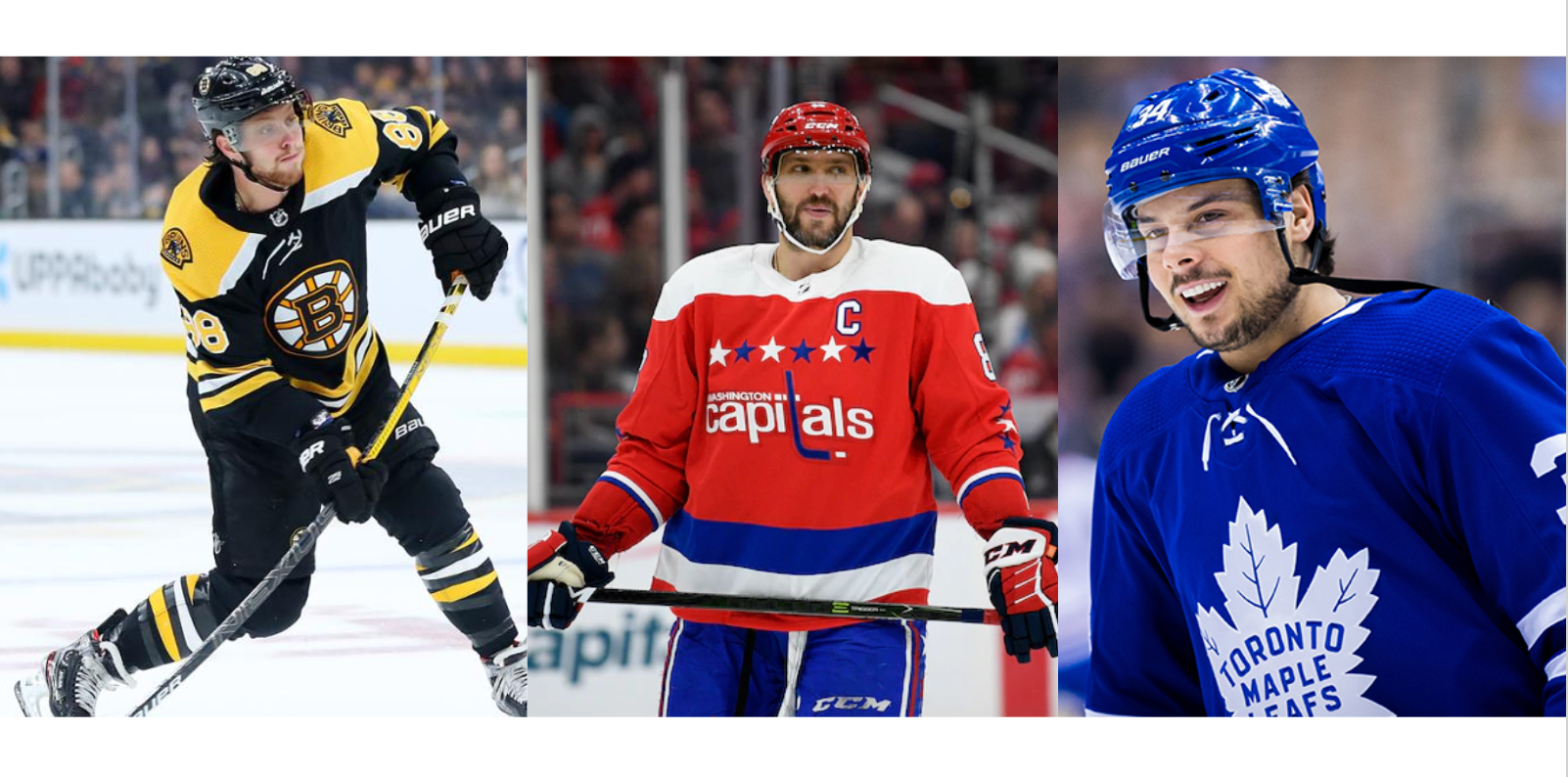
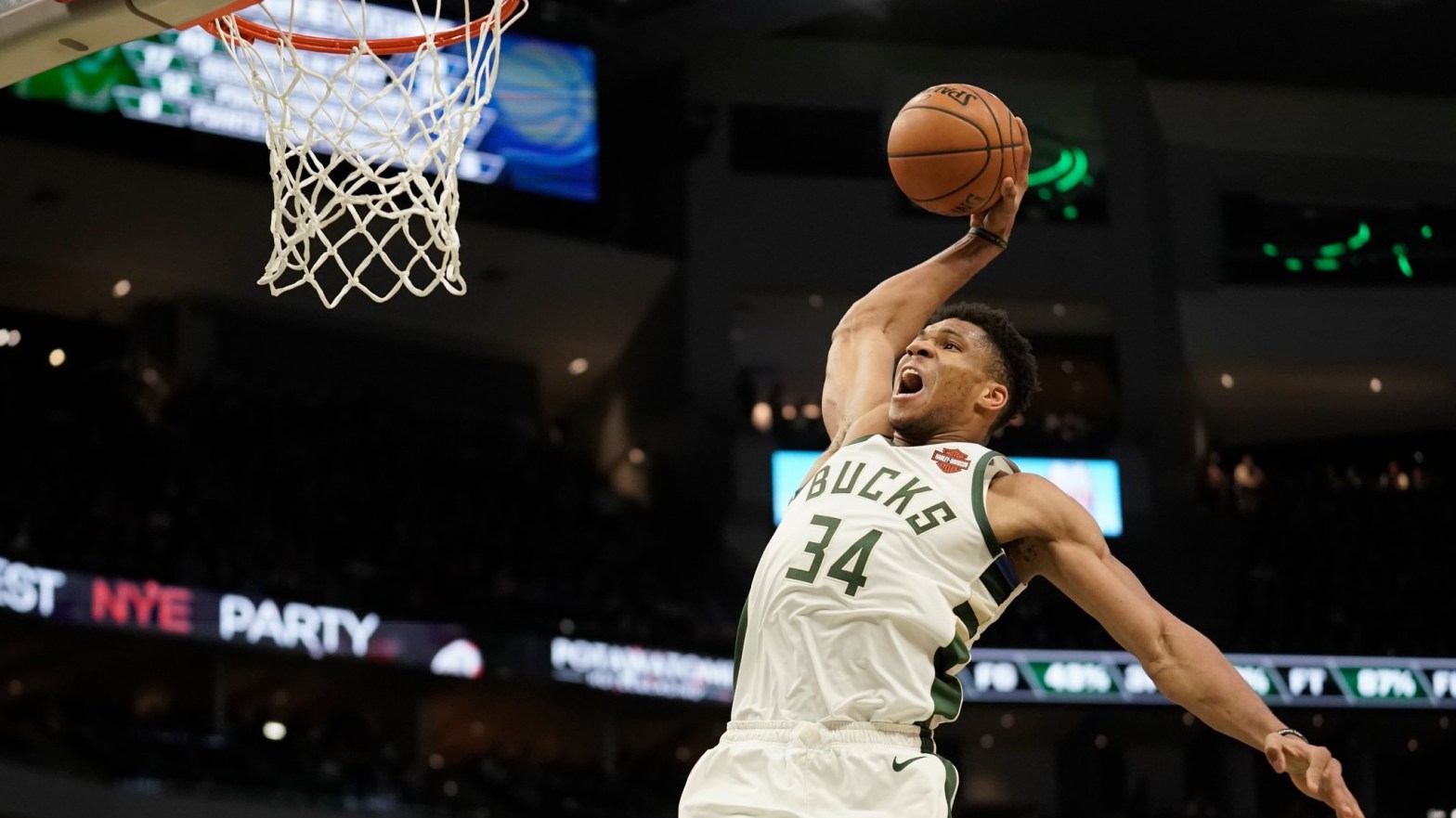

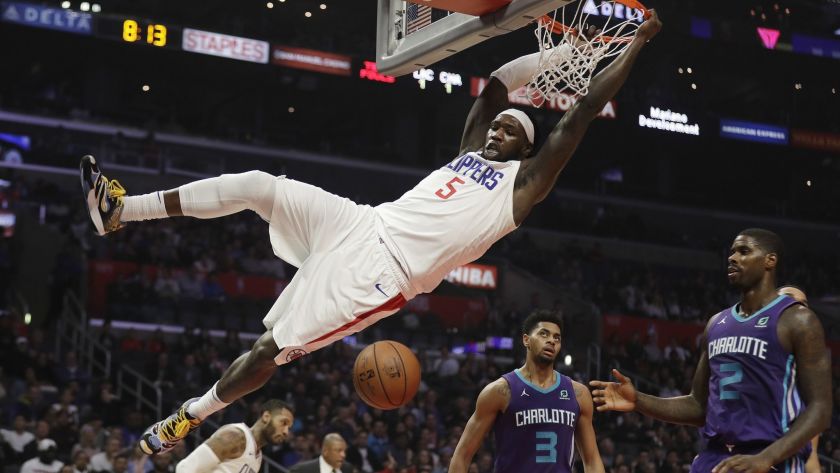


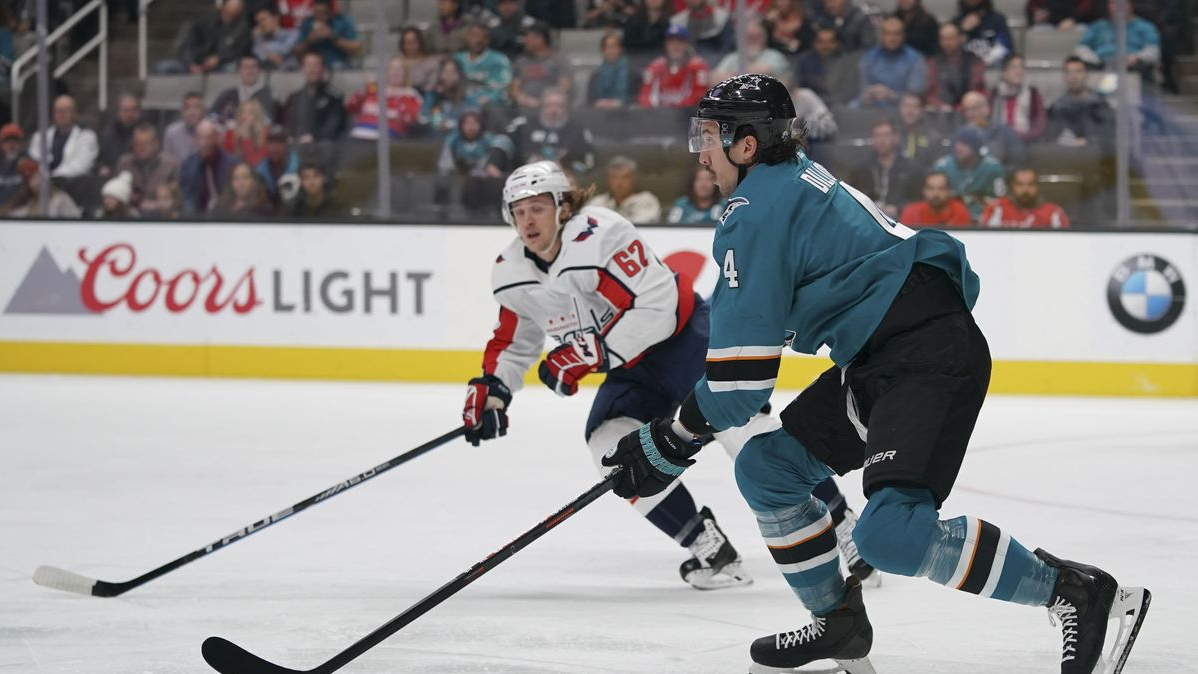
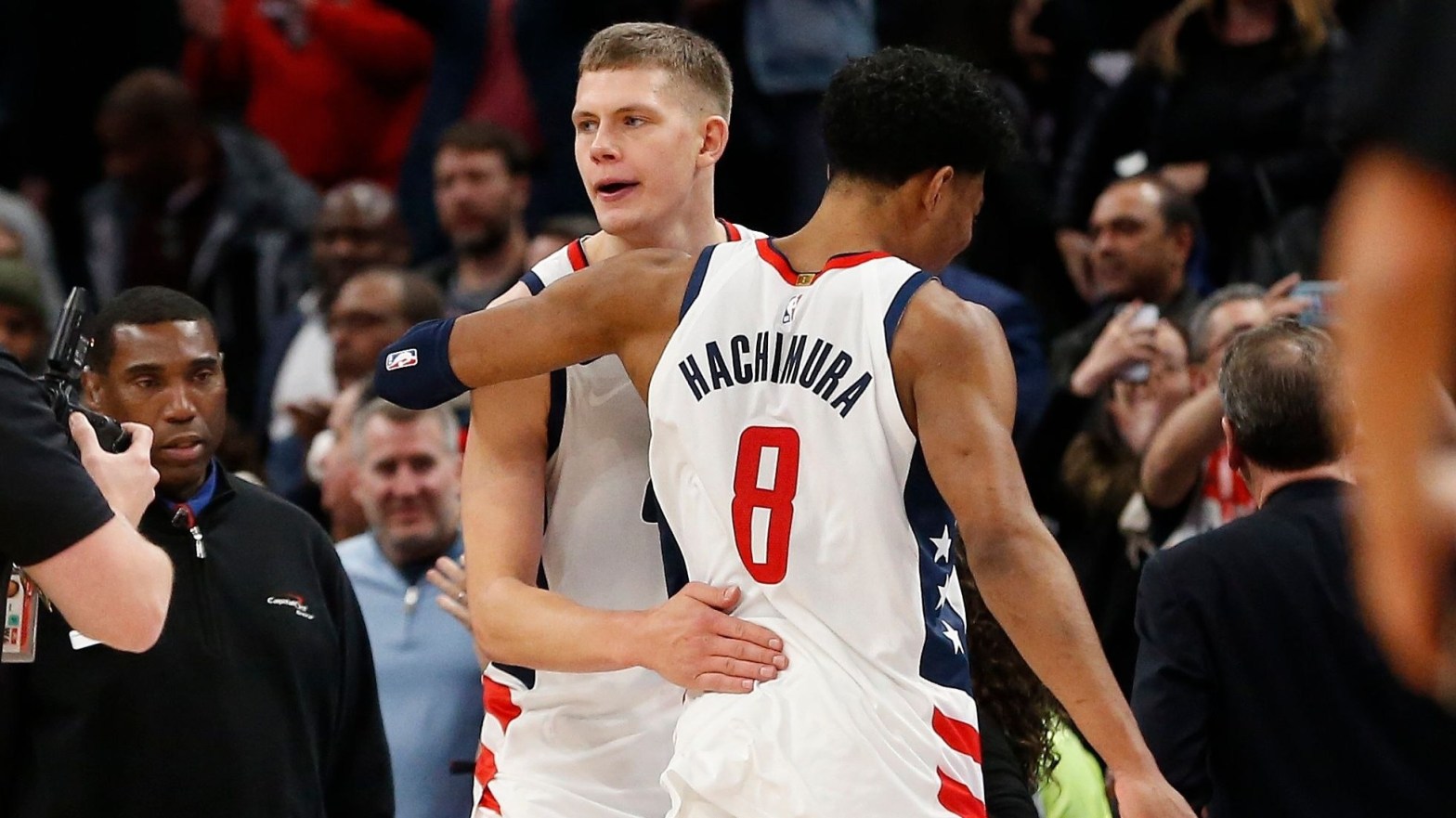
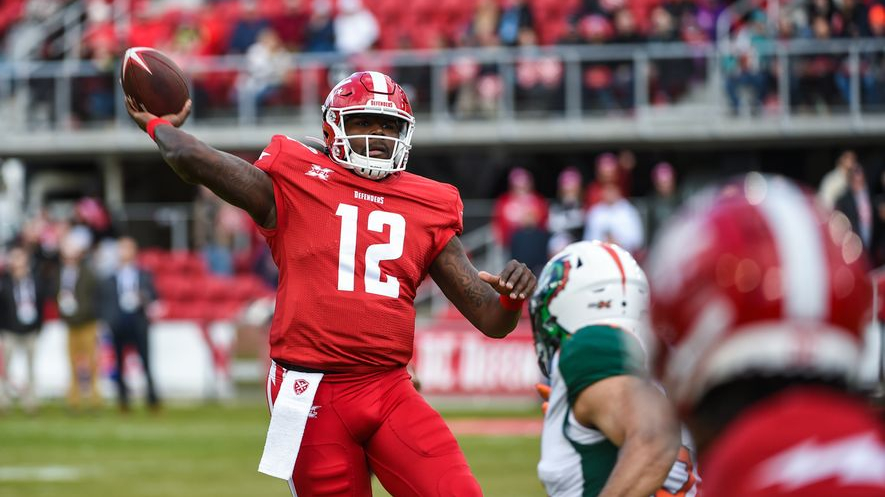
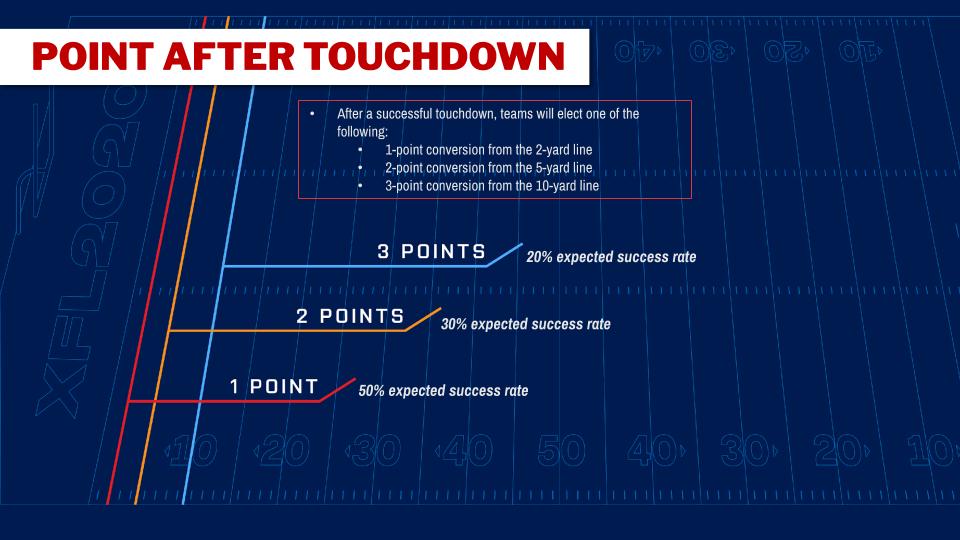
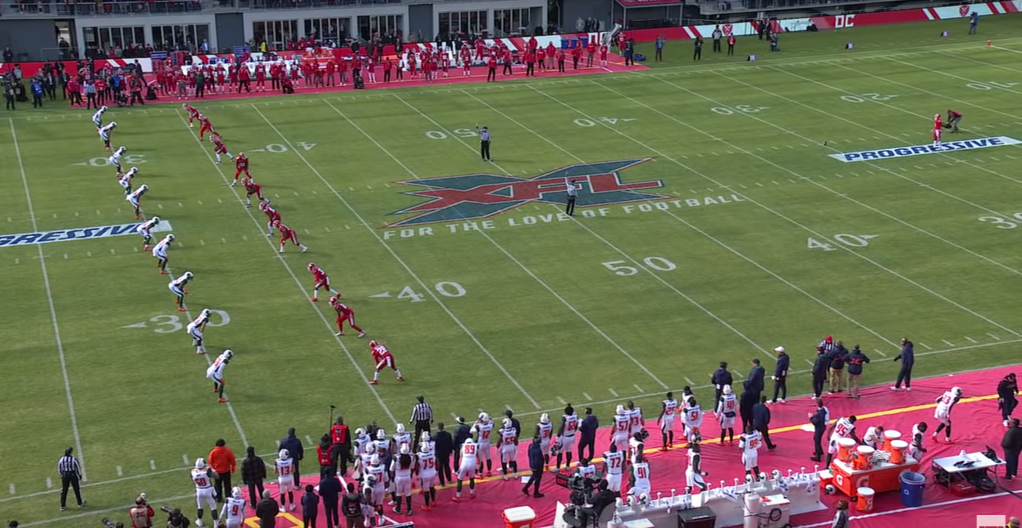
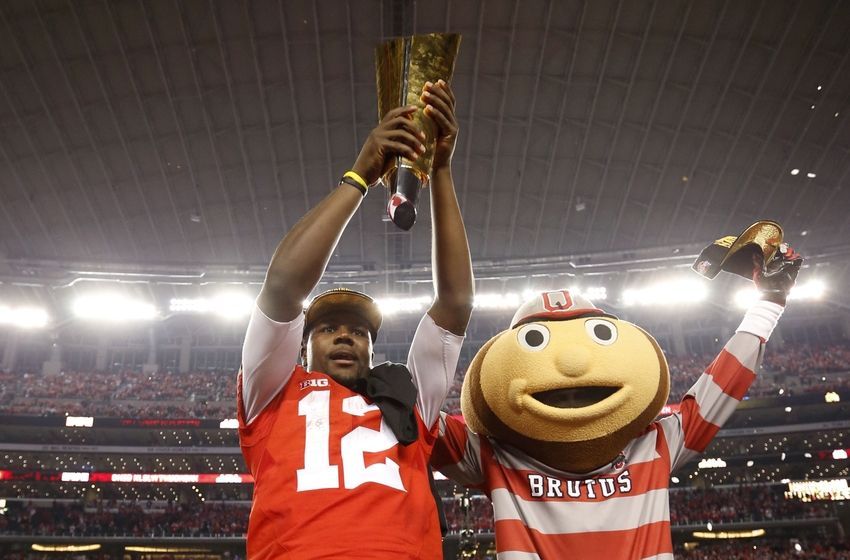
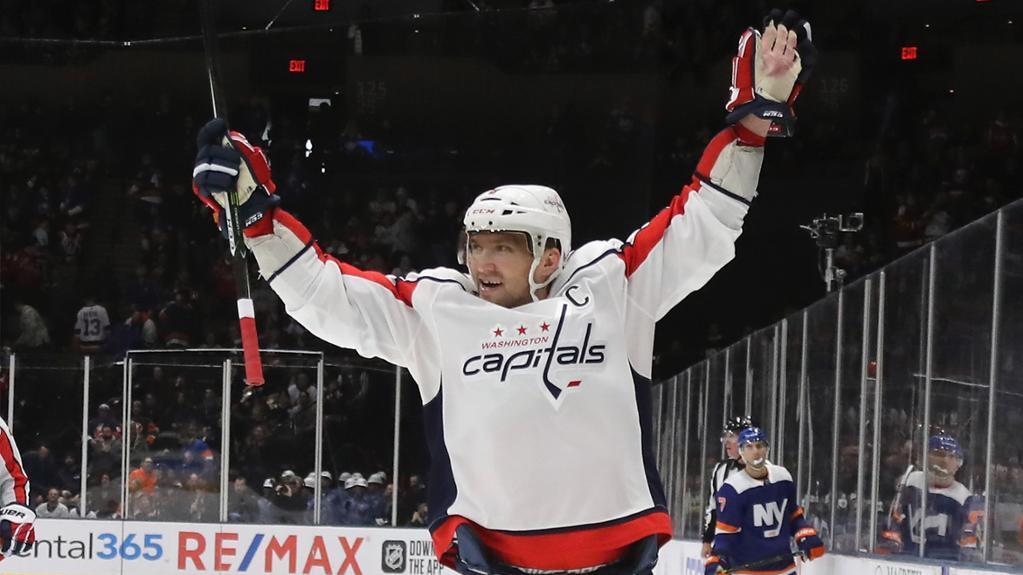
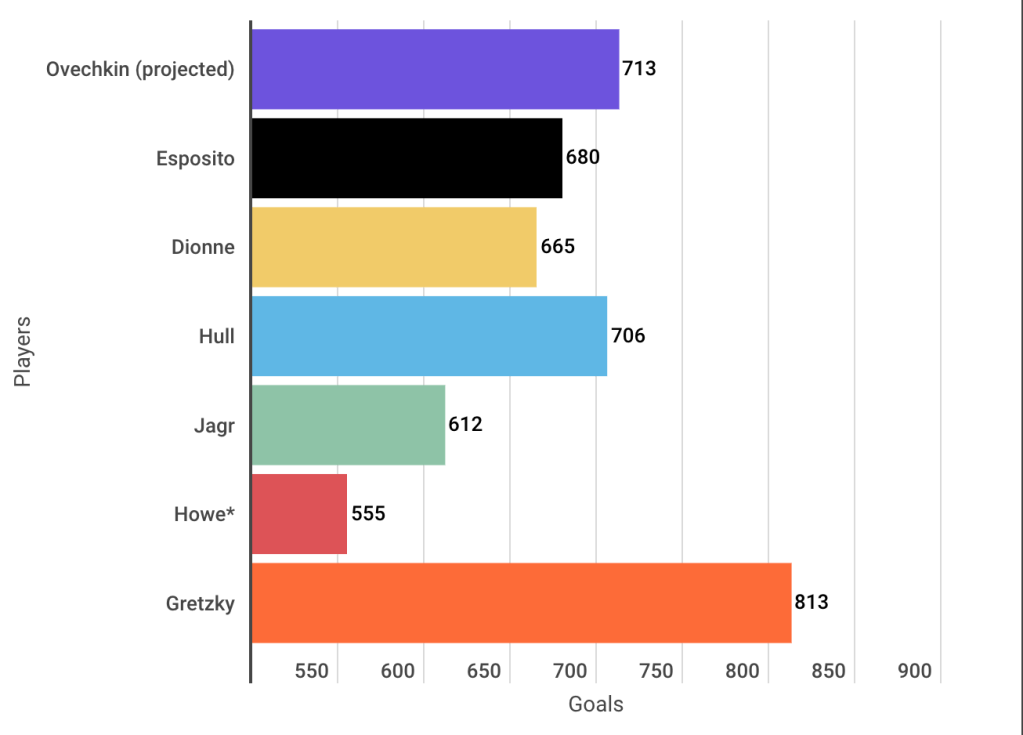

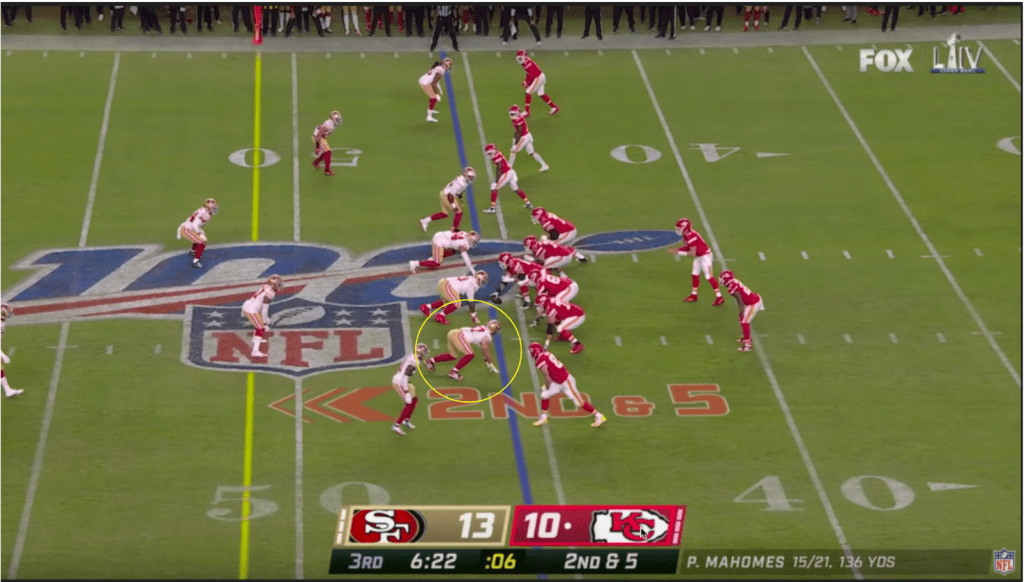
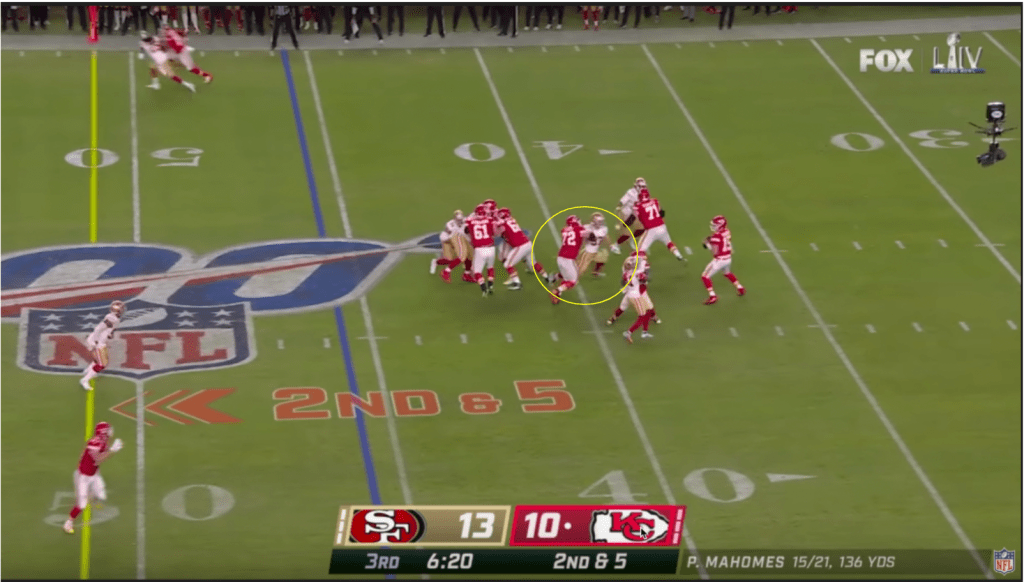

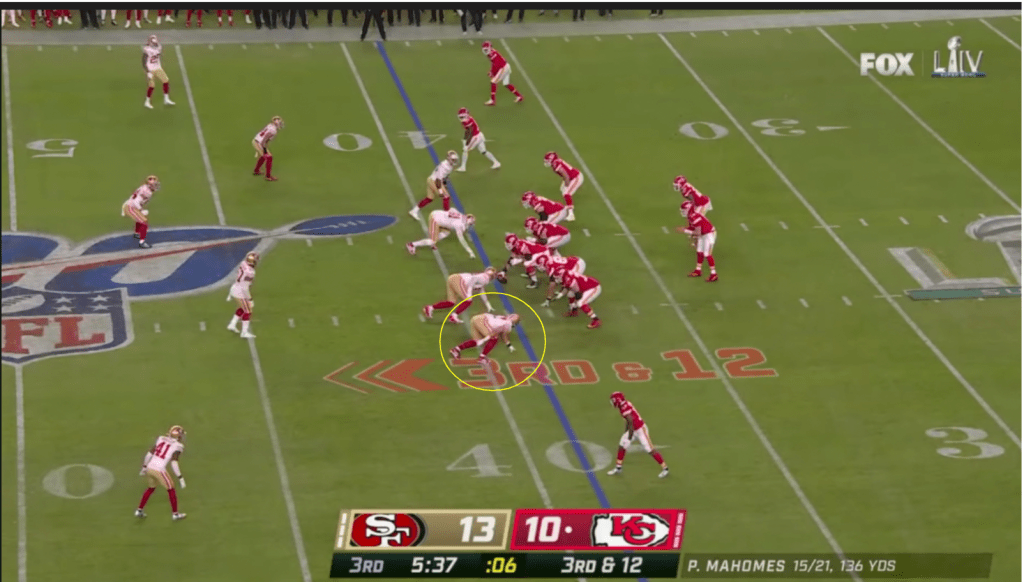
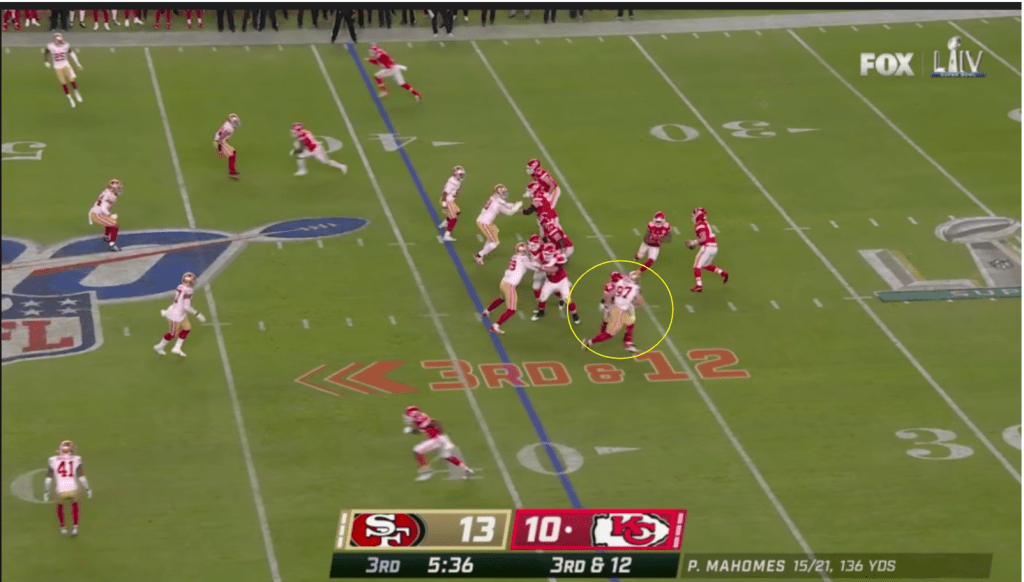
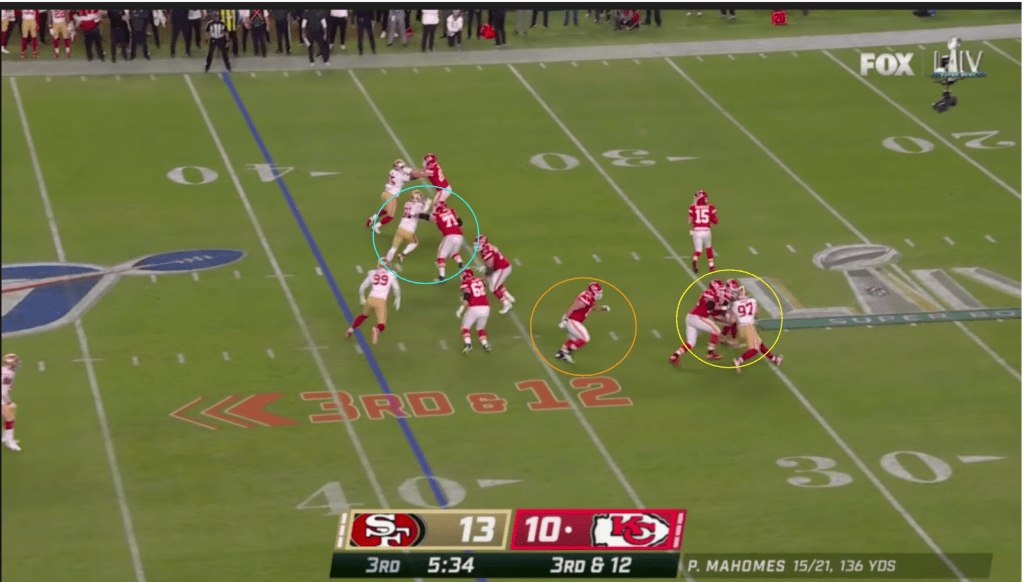
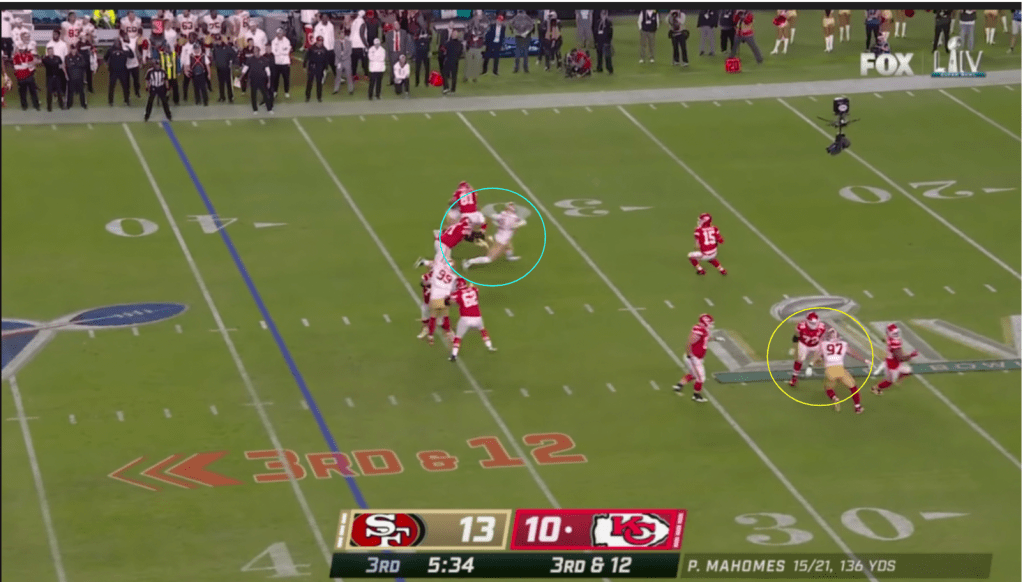
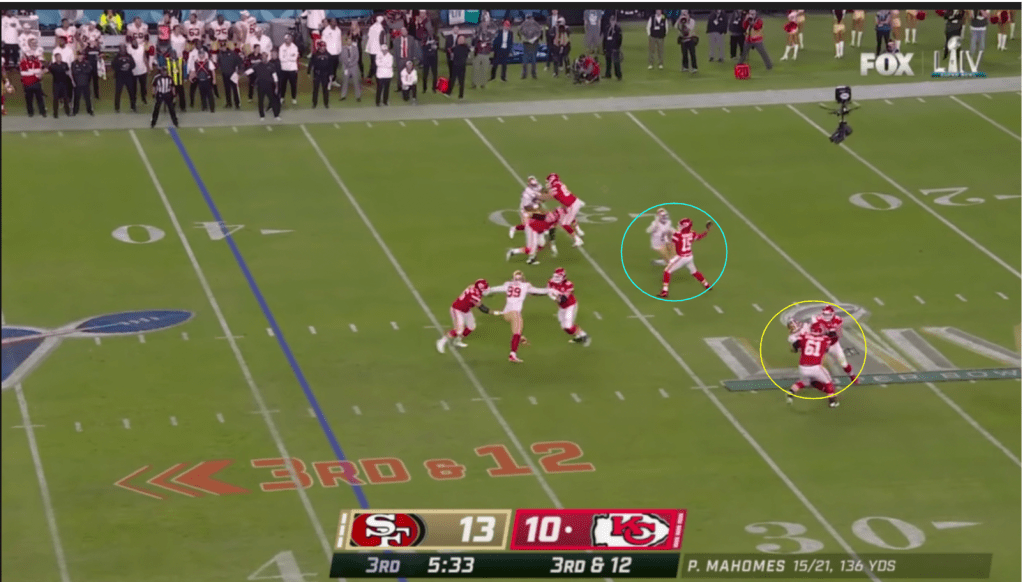
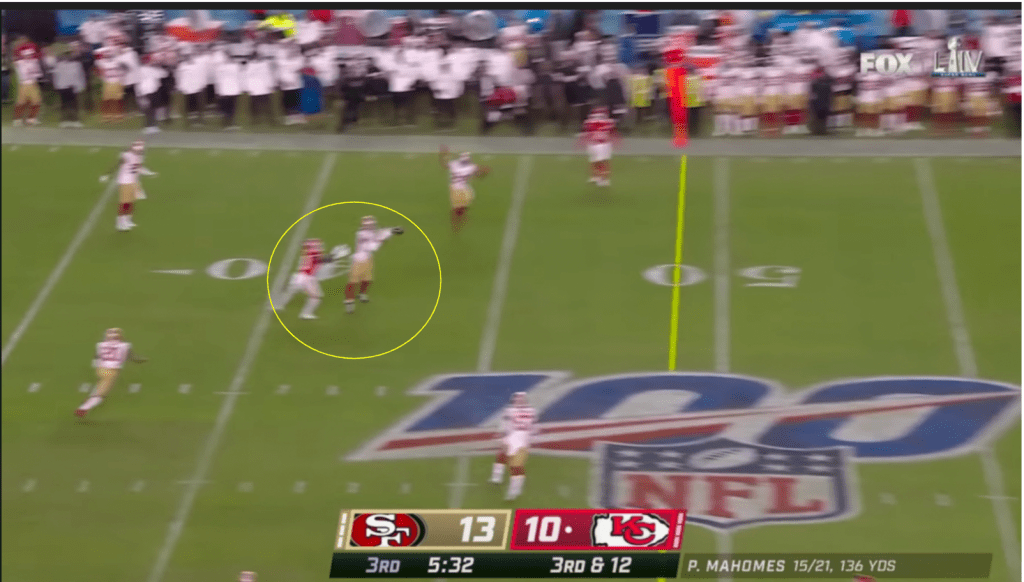
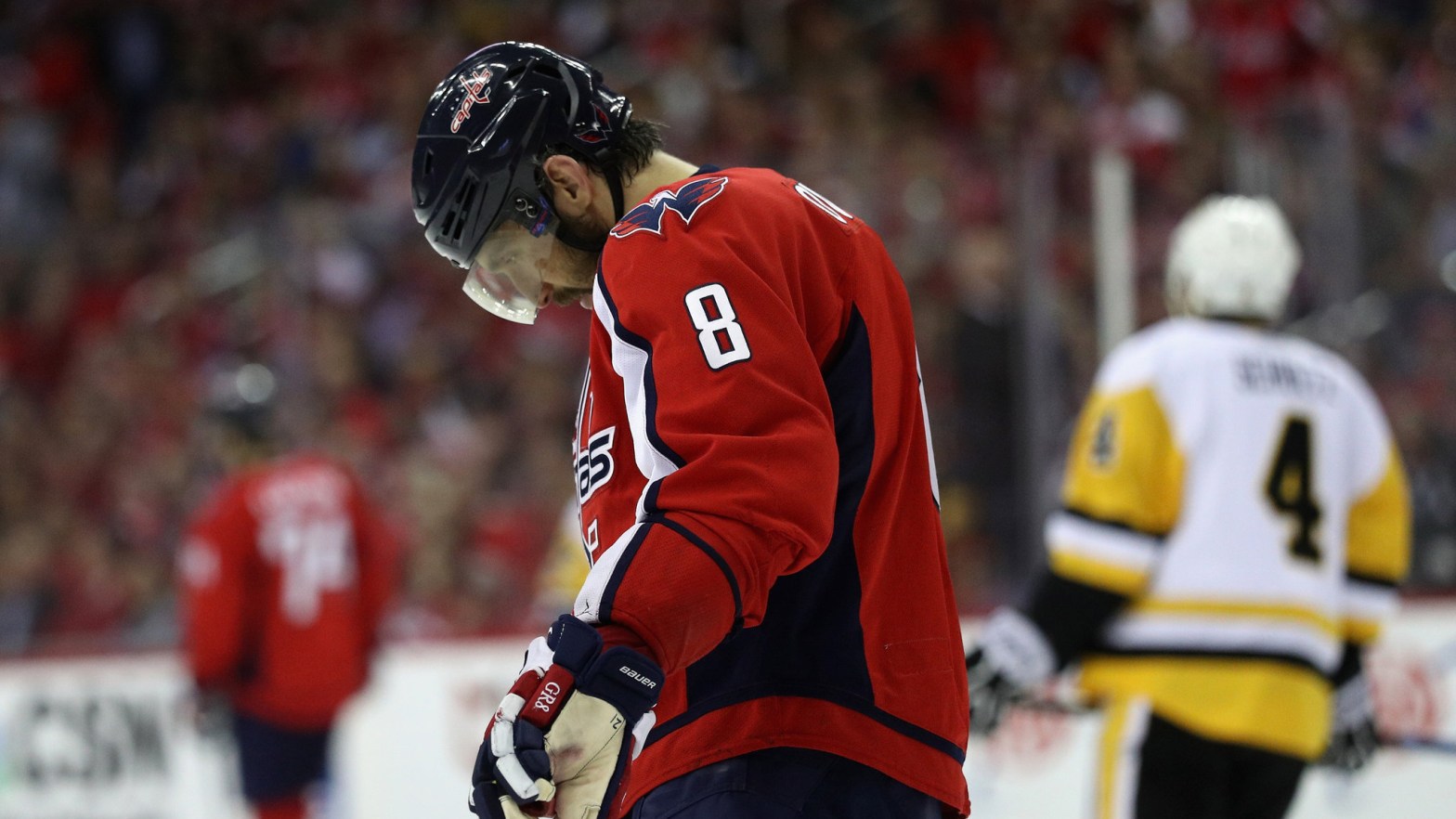


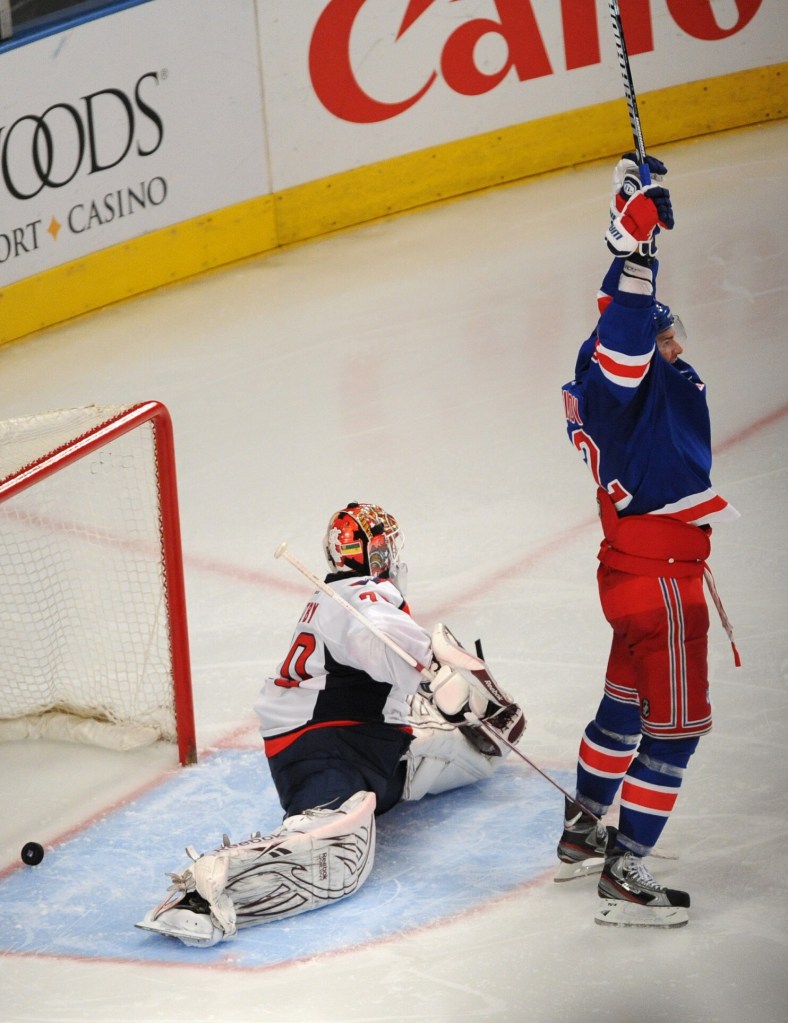





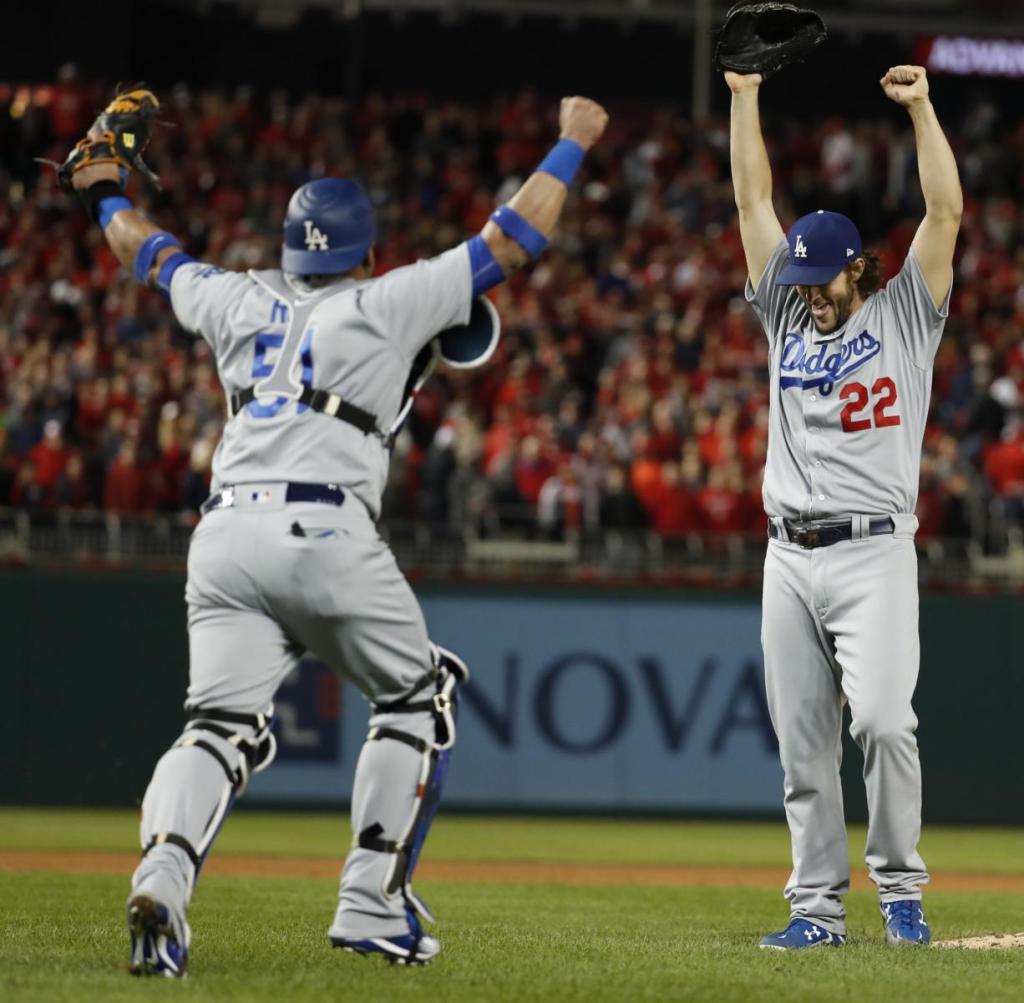


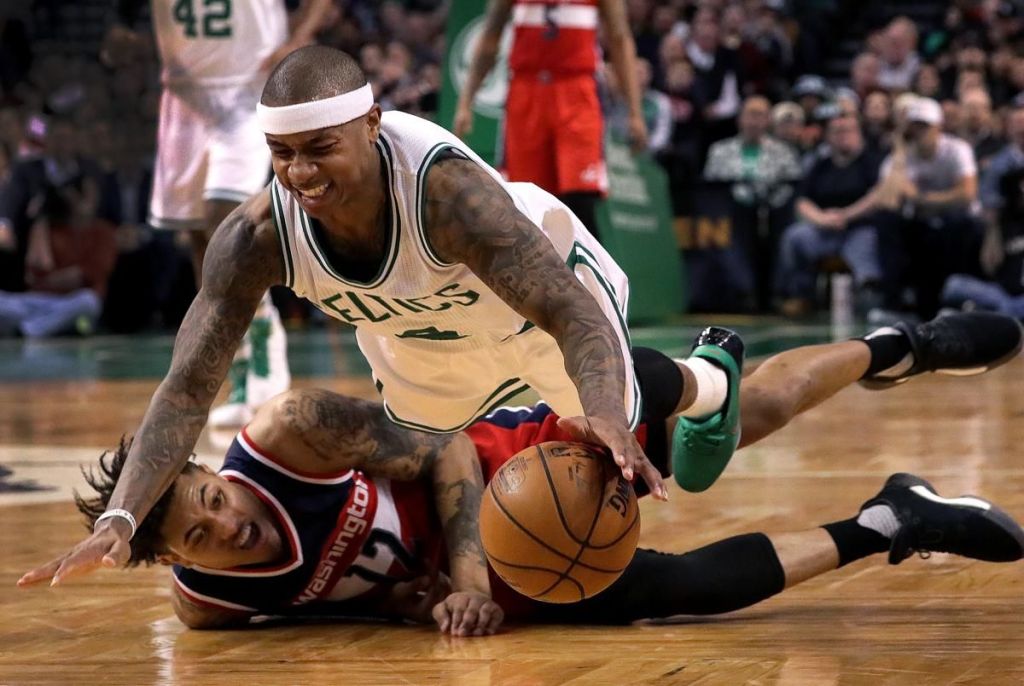

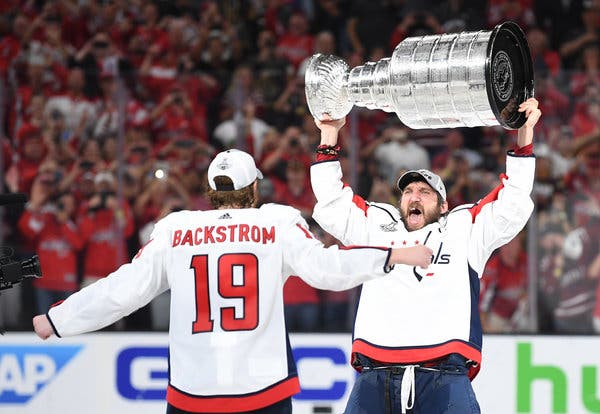
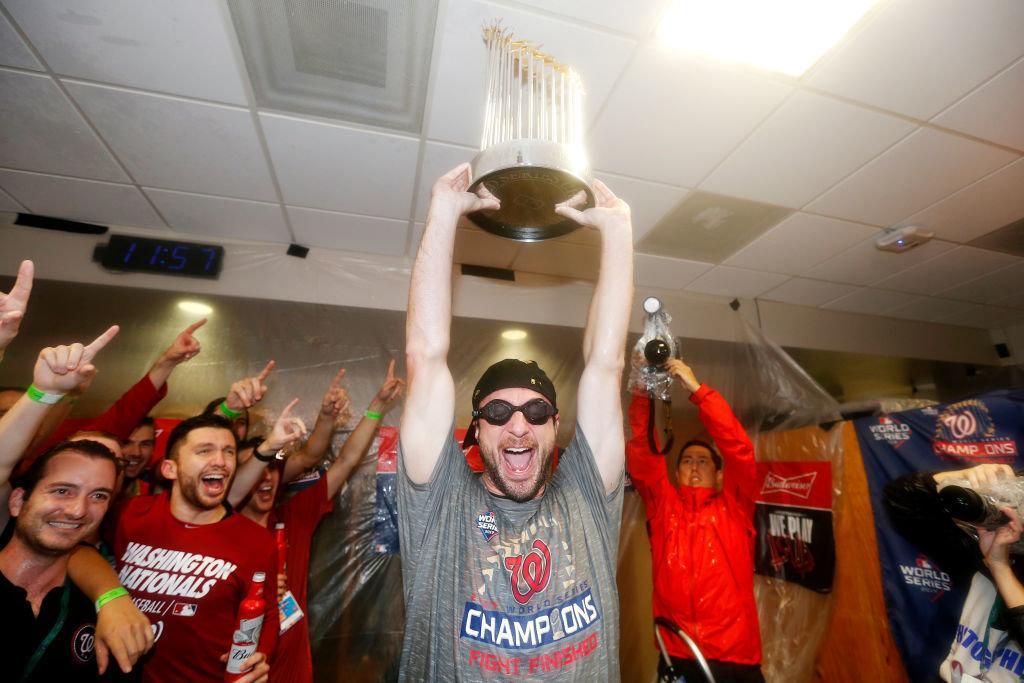
 The Wildcard