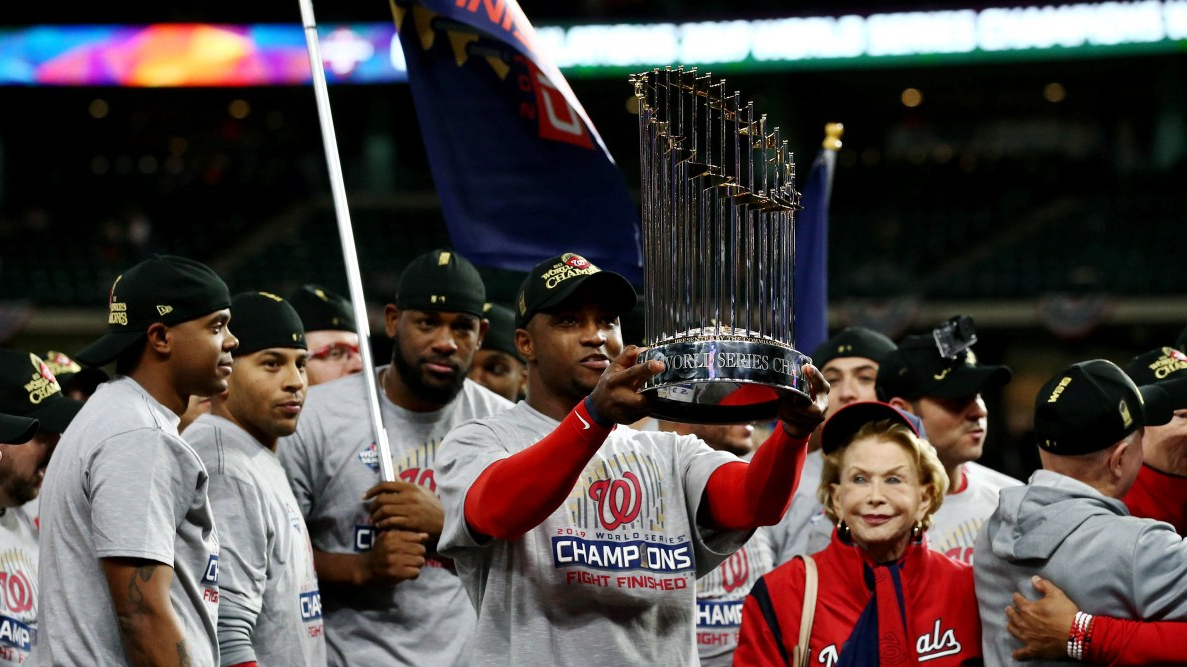
Yesterday, after the premiere of “Improbable” Part Two, the design for the Nationals’ championship rings were released. As championship rings appear to be more extravagant and flashy every year, the Nationals stayed right on trend.
The flashier the rings become, the more representative they become as well. The number of diamonds, the number of rubies, the placement of every etch and item on the ring represents something. For example, the New England Patriots’ ring from a few years ago, where the 283 diamonds represented how the team was trailing 28-3 before coming back to win Super Bowl LI.
The Nationals took that in stride, but got a bit more… creative?
The obscurity behind the math prompted some equally amusing spoofs of the ring reveal:
How did the Nationals decide to have exactly 108 diamonds in each of their World Series rings? The answer might surprise you. pic.twitter.com/0fYwKovqzS
In any case, the ring itself looks incredible, and to mark the occasion, I will be looking back at the rings from the six championships in the city’s history (among major teams anyway). Championship ring styles have altered dramatically since the city’s first modern championship in 1978 , but in some instances, less is more.
How does the newest championship ring stack up against the rest? I will be considering three categories to score each ring before assigning it a final grade:
Appearance: Does the ring look cool?
Creativity: How unique are the details to the specific team?
Practicality: Too many bells and whistles? Too obnoxious to always wear? (10 = not obnoxious, 1 = unwearable)
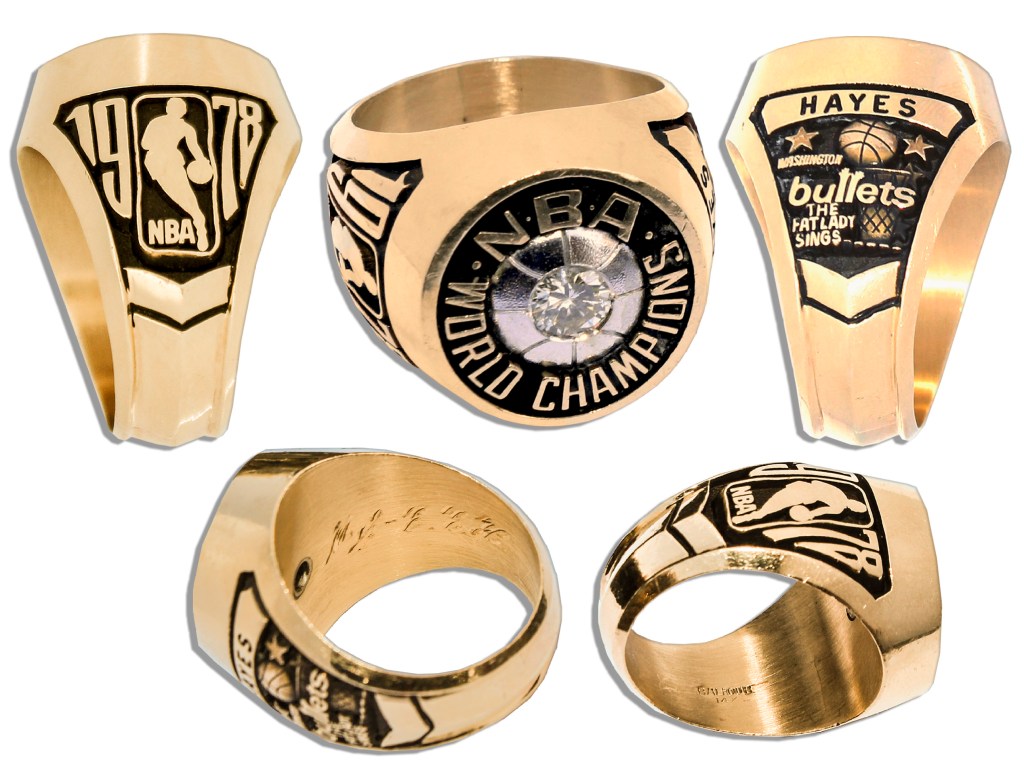
1978 Washington Bullets
Grade: B+
As you can tell comparing the look of this ring to the one of the Nationals, the Bullets ring is a lot less complex. It’s just a gold ring with a single diamond in the middle. Despite its simplicity, I think it’s a good-looking championship ring, especially for that era.
The one knock against it is that the Bullets logo is on the side instead of the top, but that wasn’t anything unusual at the time. The absolute best part is the fact that they put “The Fat Lady Sings,” on the side, which refers to the team’s rally cry during that run.
Coach Dick Motta cautioned the team and fans not to get ahead of themselves when up 3-1 against the San Antonio Spurs by saying, “The opera isn’t over ’til the fat lady sings,” and continued to use it when the Bullets were underdogs in subsequent rounds.
It’s simple, it’s personalized to the team’s run, and won’t look obnoxious wearing on your hand on a day-to-day basis. If I were a member of the ’78 Bullets, I would wear this with pride every day.
Appearance: 8/10
Creativity: 8/10
Practicality: 10/10
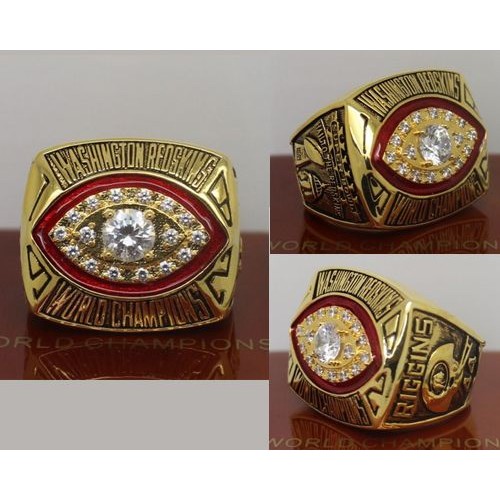
1982 Redskins
Grade: C
As opposed to the Bullets ring, the first Redskins ring actually displays the team name on the top. The logo can only be seen on the helmet feature on the side, but that would probably be difficult to prominently construct on a ring anyway.
The burgundy outline of a football on the top adds a subtle touch, and with burgundy and gold being the team colors, gold is the perfect material for this ring. The designs on the side aren’t anything special: the usual name/number plate on one side, then a Lombardi Trophy paired with the Capitol building on the other.
The arrangement of the diamonds on the front almost makes the football look like an eye, which would be cool if an eye had anything to do with the team, but I’m thinking that’s just a coincidence. This just looks like a standard championship ring of the time; nothing flashy, but nothing amazing either.
Appearance: 7/10
Creativity: 5/10
Practicality: 10/10
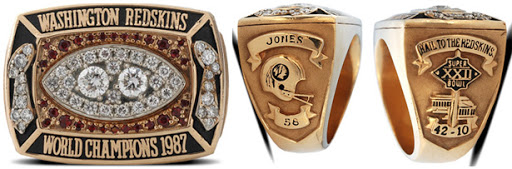
1987 Redskins
Grade: D+
With the second Super Bowl ring, the top was slightly more detailed than the last one, as there are two Lombardi Trophies on the border. The football design in the center remained, with two center diamonds as opposed to one; yet another representation of the team’s second Super Bowl.
Instead of the burgundy outline, the football is outlined with small rubies in what appears to be an attempt to “class-up” the previous design. While the idea makes sense, the mixture of gold and red messes with the desired effect and makes the red less prominent.
The name/number plate looks nearly identical to the previous ring, and the other side doesn’t differ significantly either.
The black background throughout also seems off. With the Bullets ring, it’s strictly black and gold with no team colors, and with the previous Redskins ring, it’s strictly the team colors: burgundy and gold. No matter which you prefer, at least they’re both consistent. To incorporate as much black as this ring does while also committing to the burgundy and gold makes it seem less like a ring belonging to the Redskins. It’s a minor detail, but it just seems off.
Appearance: 6/10
Creativity: 6/10
Practicality: 8.5/10
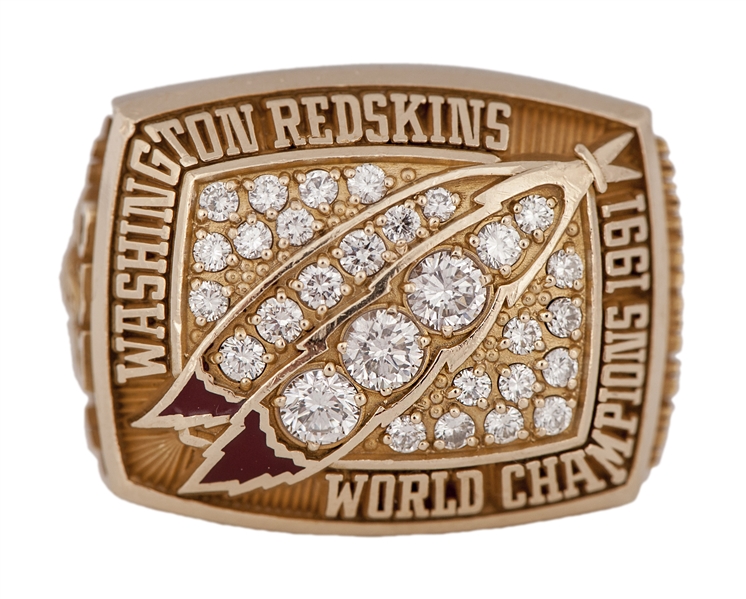
1991 Redskins
Grade: C+
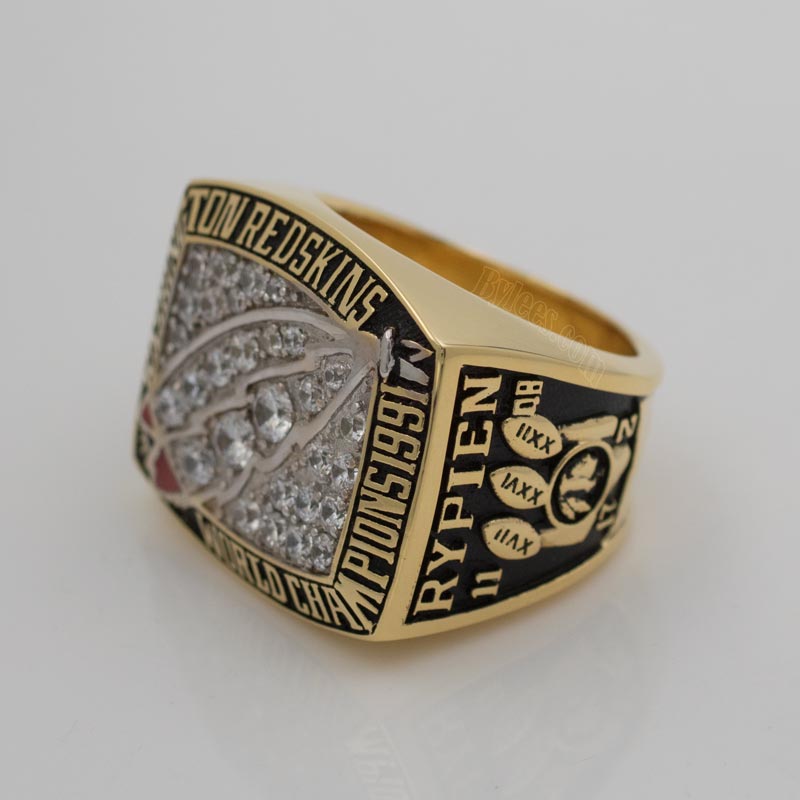
For the third ring, the top design finally changed up a bit, going with the same feather pairing seen on the normal logo instead of a generic football design. The orientation of the text on the border is also changed, wrapping around the corners instead of the usual top and bottom.
The only bad part about the top is that the diamonds outside the feathers prevent the feather design from sticking out. From a distance, you can’t tell what’s on the top.
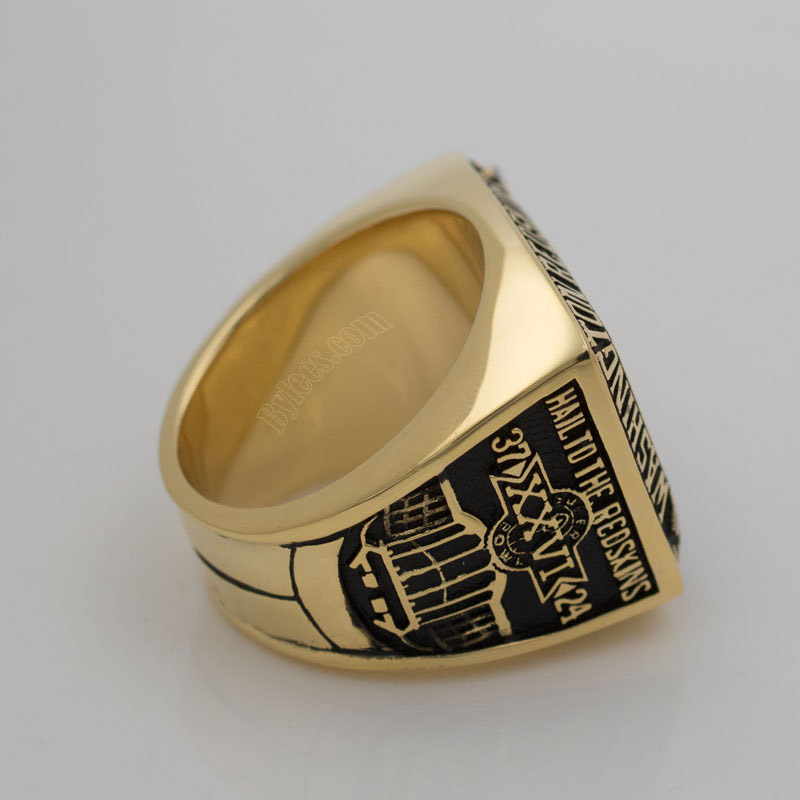
The name/number plate is slightly upgraded, as it includes all three Lombardi Trophies as well as the player’s position, which is pretty cool. The other side is similar to the last one: a Washington, D.C. landmark, the Super Bowl score and logo, then the “Hail to the Redskins.”
The third ring is the most different of the three, for better or worse, but if they removed the diamonds outside the feathers (or at least used a different color), it would look much better. (Like ‘B+’ better).
Appearance: 7/10
Creativity: 7/10
Practicality: 9/10
2018 Capitals
Grade: A
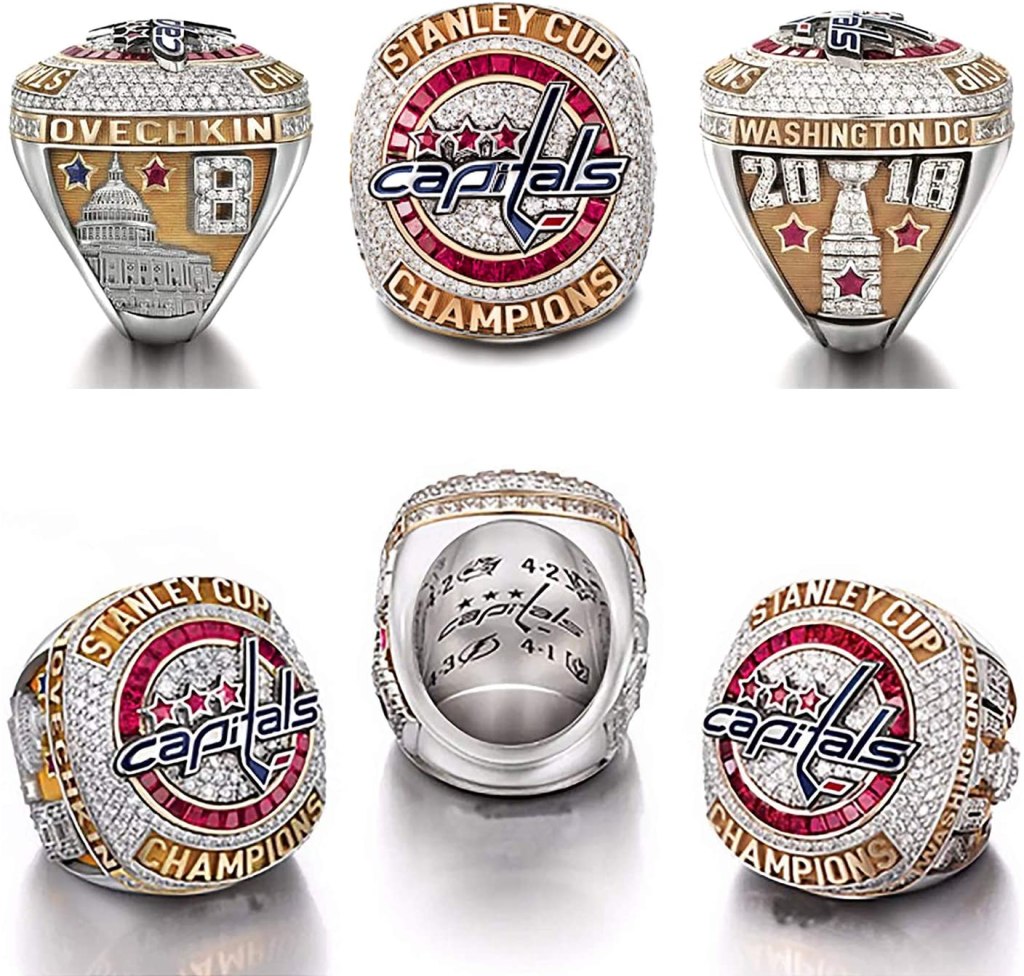
Evidently, a lot of things have changed since 1991. The rings are much bigger, but they also look much nicer. The white, silver and gold make the red really pop, and it doesn’t really go overboard in any way. It’s the team logo on the top, with the player’s name on the side in gold and the number in diamonds.
A big thing now is using the inside of the ring as well, and the series scores are located there along with another Capitals logo. There’s not much else to say about it, it’s just a really good-looking ring that doesn’t go overboard compared to some of the other championship rings as of recent.
Appearance: 10/10
Creativity: 9/10
Practicality: 8/10
2019 Nationals
Grade: A-
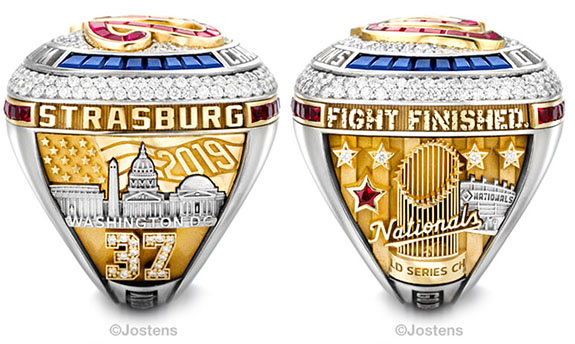
The Nats got their money’s worth with this ring; they used pretty much every inch. The top itself is fairly simple: a curly ‘W’ in rubies surrounded by a sapphire circle, creating a full red, white and blue effect.
The sides are pretty involved, featuring the full array of Washington landmarks between the name/number plate, as well as an American flag. The other side features the World Series trophy and a ballpark. It’s a bit more than necessary, but it still looks nice.
The details in this are insane. From the “Fight Finished,” which plays off the postseason rally call, “Finish the Fight,” to the regular season reminder to “Go 1-0 everyday,” this takes what the Bullets did in 1978 and drives it up by 10.
The best detail of all is the Baby Shark inside the ring, which GerardoParra brought to the team as his walk-up song, and as the team made the run to the playoffs, became a pseudo-anthem of sorts for this team. With all the phrases and references, this is the most team-specific ring I’ve ever seen.
If it toned things down just slightly, it would be perfect, but I’m not complaining. We almost didn’t have this ring, so I’ll take it as is.
Appearance: 9/10
Creativity: 10/10
Practicality: 7/10
Hopefully there will be another ring to join this bunch in the near future. If the Caps can get hot once the NHL playoffs begin, maybe we will.
Last night, the second and final part of the documentary “Improbable” premiered on MASN. The documentary covers the Nats’ World Series run in 2019, with Part Two in particular focused solely on the World Series itself. You can find my thoughts from Part One here.
Like I said last time, I would say “Spoiler Alert,” but unless you are totally unfamiliar with the events of the 2019 MLB postseason, there’s really nothing to spoil.
However, if you have not seen the documentary yet and want to watch it without hearing outside opinions, you may want to wait to read this until after viewing.
I have a newfound respect for Kurt Suzuki, Joe Ross and Will Harris
Suzuki played such a huge role in Game 2 both offensively and defensively, hitting the go-ahead home run in the seventh inning (his first career postseason home run), and catching JoseAltuve trying to steal third base in the first inning, which meant Alex Bregman’s subsequent home run only tied the game instead of giving Houston the lead.
I wasn’t aware Suzuki was still dealing with issues in his arm during the World Series, and he had never been great at throwing out base runners to begin with, so the package served as a nice reminder of how crazy Suzuki’s impact was.
Then there was the whole ordeal before Game 5 with Max Scherzer scratched from starting, and Ross had to take the mound on such short notice. Hearing his thoughts and emotions behind the situation and seeing how the fans responded to it by chanting his name as he took the field was an awesome moment.
He didn’t get the win, and at the time I was upset about going down 3-2 in the series after being up 2-0, so I didn’t really take the time to appreciate his effort, but seeing how things worked out and seeing how he handled it, my respect for him was definitely reaffirmed.
Lastly, new National WillHarris, who was on the opposite side of Anthony Rendon’s game-breaking home run late in Game 6 AND Howie Kendrick’s go-ahead home run in Game 7, agreed to speak in the documentary. He gave up two huge home runs in the biggest games of his life, and he’s already at peace with it and willing to talk about it on camera.
Hearing how he processed those emotions and getting the perspective of someone from the other team was a refreshing look, and it takes a lot to open up about a terrible personal moment.
Speaking of, after Kendrick called the NLDS grand slam the “greatest moment of his career,” in Part One the night before, he called the home run in Game 7 “one of the happiest moments of my life,” and went on to say, “those two home runs pretty much made my career.” So I guess that balances things out.
No real mentions of the Astros cheating scandal
I guess that was not the focus of the documentary, and they didn’t want to take time away from the Nats winning, and the scandal may only apply to 2017 and ’18, but it still was a major storyline surrounding the series after the fact, and could have reasonably been mentioned.
The closest thing was how Stephen Strasburg and pitching coach Paul Menhart dealt with Strasburg tipping pitches in Game 6, which isn’t even cheating on the Astros’ end.
It was already known that Strasburg was tipping pitches and made an adjustment mid-game, but hearing how he and Menhart went about it, and getting to see what they were talking about specifically was one of the best moments of Part Two.
Juan Soto is the coolest guy in baseball
A lot of the talk surrounding Game 6 was about Bregman carrying his bat to first base after hitting a home run early, and then Soto following up with the same bat carry after his mammoth shot in the fifth inning.
The MASN reporters interviewed about that moment took exception with Bregman but praised Soto, which to me seems pretty biased. To me, you either love both gestures or you condemn both, and I stand on the “love” side. Baseball purists may disagree, but I thought the back-and-forth was fantastic.
The fact that Soto saw Bregman show up the Nats, thought “Ooo, that was nasty. I like it,” then proceed to go yard just a few innings later and clap back with the same move just shows how big-time he is.
“I just wanna feel the swag,” he would say. I can’t get enough of this guy. Also that No. 22 chain? Absolute fire.
Seeing Bregman flounder defensively in Game 2 will never get old
Neither will the final strikeout of Game 7.
The truth behind Dave Martinez’s ejection in Game 6
With the Nats leading by just one run with a runner on first, Trea Turner smacked a grounder to the infield, where he legged out a single as the ball reached Astros’ first baseman Yuli Gurriel. The ball bounced off Gurriel’s glove then hit Turner’s leg as he reached first, causing the ball to roll into foul territory. The runners advanced an extra base, and with runners on second and third with no outs, and the heart of the order on deck, things were looking good.
Then Turner was controversially called out for interference, and after a lengthy review, the call was upheld. What could have dramatically altered the outcome of the series was soon made moot when, after Adam Eaton popped out, Rendon stepped up to the plate and blasted a two-run home run to left field, extending the Nats’ lead to 5-2.
After the inning, Martinez left the dugout and blew up, confronting the umpires with intense anger as bench coach Chip Hale tried to restrain him. He wound up getting ejected, and everyone assumed he was still upset about the call on Turner. According to Martinez, that was not entirely the case.
“I was all done, I was good [after Rendon’s home run]. Gary Cederstrom [the third base umpire], in between innings, called me out,” Martinez said.
I don’t believe that detail came to light until the film. I just wonder what Cederstrom said exactly to set him off. Obviously it had to do with the call, but they probably couldn’t air the specifics.
Yan Gomes delivers again
After sharing great insight in Part One, Gomes provided some excellent stories surrounding the events of the bottom of the ninth in Game 7. He really opened up his thought processes during each at bat, and his ability to connect Ross’s pitching in Game 5 to the final at bat of Game 7 was really cool, proving that despite losing the game, Ross played a valuable role in winning the World Series.
Gomes described, “We weren’t coming in on a lot of their guys a lot, and Joe exposed a little bit of that game, so we ended up starting attacking Michael Brantley in a little bit more.”
After realizing Brantley was starting to swing on inside fastballs, that led directly to the final strikeout, and I found it to be just an incredible detail.
After watching the total three hours of the film this weekend, I would sit down and listen to Gomes talk about the entire 2019 season and playoff run for three hours if I could.
No Rendon or Gerardo Parra
Throughout the entirety of the documentary, there was not a testimonial from Rendon or Parra, two largely important pieces of the team’s run in completely different ways.
Rendon signed a huge contract with the Los Angeles Angels in the offseason, and Parra went off to play in Japan, so it seems neither were made available for comment. Given the fact that many of the players and coaches were wearing spring training uniforms in their testimonials, they were likely all shot during spring training.
Still, given Rendon’s MVP-caliber play and clutch hitting throughout the season, it would have been nice to hear from a player we absolutely would not have won without.
Parra was also the lifeblood of the clubhouse, leading the Baby Shark revolution and lifting everybody up from the dugout. I’m sure timing constraints and/or contract regulations got in the way of their appearance, but it would have been nice to see them featured. The whole Baby Shark thing should have gotten its own sequence, in Part One or otherwise.
Turner had the best line in Part Two
While Bo Porter held that title for Part One, Turner gets the recognition for Part Two, after cameras caught him on the way to the locker room just moments after the team had won Game 7.
He embraced owners Ted & Annette Lerner, both in their 90s, and told Annette, “I’m going to go party,” before high-tailing to the locker room in a celebratory scream as Annette turned around to the camera in amused disbelief saying, “Oh my god, he’s going to go party.”
The exchange between shortstop Trea Turner and team owner Annette Lerner brought the same energy as this classic Vine clip.
It was a quick, funny moment that the cameras were lucky enough to catch amidst the celebration, and it was easily one of the best parts of the film.
Final thoughts
As great as this whole documentary was, I think watching something like this once we’re further removed from the actual events will allow us to appreciate what happened even more. After all, this all happened less than a year ago, and it’s freshly ingrained in our minds, so I think the viewing experience would be significantly greater with the added effect of nostalgia and the context of whatever may come in the future.
In fact there should eventually be a whole film on the rise of the team through all the down years, through the back-to-back first overall picks of Strasburg and Bryce Harper in 2009 and 2010, respectively; then go through all the playoff exits and the Harper free agency saga to tell the complete story.
There’s certainly time for all of that, but for now I’d say “Improbable” does a good job of taking fans through the playoff run while getting to tap into the thoughts of the players, coaches and reporters involved.
Last night, the first part of the documentary recounting the Nationals’ run to the World Series premiered on MASN, and before Part Two premieres tonight, I will be listing my takeaways from Part One.
I would say “Spoiler Alert,” but unless you are totally unfamiliar with the events of the 2019 MLB postseason, there’s really nothing to spoil.
However, if you have not seen the documentary yet and want to watch it without hearing outside opinions, you may want to wait to read this until after viewing.
I’ve been spoiled by ‘The Last Dance’
After spending the past month rushing to the TV every Sunday night to take in all 10 parts of the ESPN documentary about Michael Jordan’s Chicago Bulls, I was used to documentaries showing a bunch of behind-the-scenes action, going in-depth on the stories within the story, and everything else you could love about “The Last Dance.”
Of course, when you have 10 hours of air time, there is room to show all of that. The first part of “Improbable,” meanwhile, was just 90 minutes (including commercials), so it’s understandable that this film didn’t have the time to delve into most of the storylines.
Still, I felt the majority of the documentary was made up of game highlights that one could look up on YouTube, and while there was also clips of the players describing those moments, I felt they could have dedicated a larger portion of time to the players and coaches detailing those moments from their own perspective rather than just showing it on the screen.
I’m sure it was difficult to balance, and with a Wild Card game and two full series to go through, they couldn’t afford to linger on any one moment, but “The Last Dance” definitely had an impact on the way I viewed “Improbable.”
The short sequence about Aaron Barrett was a cool way to start things off
Again, I wish there was time for them to tell even more about stories like Barrett’s, but it was nice that he was mentioned at all given he did not play a big role on the field during the playoff run.
After two major injuries and a long time of battling back, Barrett finally made it back to the major leagues after four years when he took the mound in September 2019. It was a great moment to take in, and by throwing out the first pitch prior to the Wild Card game, it really set the whole run into motion.
You could really see how much the crowd and the team was feeding off that energy, and while Milwaukee obviously took an early lead, and the Nats’ bats didn’t heat up until late, it was still a great way to start things off.
Hearing the assistant coaches breaking down different plays was the highlight of the film
Seeing the players and manager Dave Martinez give their perspectives is definitely cool as well, but interviews and press conferences allow us to hear from them on a more consistent basis. You never usually hear from the third base coach, or the pitching coach, or any of the other guys on the coaching staff, so getting their takes was really cool.
Third base coach Bob Henley was especially interesting. As soon as he said, “you may want me to scoot back because I’m probably going to get physical,” I knew he was going to tell a great story. As a third base coach, Henley gets to observe the action on the field closer than anyone besides the players, so for him to run through his train of thoughts on Juan Soto’s lead-taking hit in the Wild Card game was awesome.
In fact, the entire combination of people recounting Soto’s hit, like owner Mark Lerner explaining he didn’t have a view on Trent Grisham’s misplay in the outfield, so he had no clue why the players were still rounding the bases, or Soto himself simply saying, “I [was] just thinking, ‘Run, run, run!'” was probably my favorite sequence of Part One.
Poor Charlie Slowes was stuck doing commentary, didn’t contribute too many thoughts of his own
The Nats radio commentator was primarily featured in testimonial shots doing exactly what he’s normally paid to do during games: commentate. Except the games he was commentating happened less than a year ago. And the film featured highlights with audio from the real-time commentary.
I guess it was a way to transition into different moments, but it didn’t feel totally necessary. I guess I’m speaking from the perspective of someone who has rewatched the highlights of their run a countless number of times and fully remembered how each game played out.
For the casual fan that didn’t really remember every part, I suppose it would be helpful, but even then there was already in-game commentary during the highlights to explain what was going on.
I would have liked to hear his own thoughts about the moments as he experienced them from the booth, which we got a little bit of, but he was mainly utilized as a plot device to set the scene for the next play.
That said, I’ll never get tired of hearing him say, “Bang! Zoom go the fireworks!”
When the documentary did go slightly in-depth on different topics, it was fantastic
As I mentioned, the doc was largely made up of highlights, but the parts that went beyond simply recounting the plays is what really made the film interesting.
I found Yan Gomes to be among the most captivating players to hear from. As a catcher, his view of the field allows him to see everything, and his connection with the pitchers is stronger than any other position player’s.
Hearing him break down what went wrong at the beginning of Game 1 of the NLDS, and also recount what it was like catching for Aníbal Sánchez’s no-hit bid in Game 1 of the NLCS was incredible. (Patrick Corbin’s and Sanchez’s own accounts about those respective situations also complemented it well).
I also thought it was good of the film to take a little background into the significance of RyanZimmerman’s late home run in Game 4. It tends to get a little lost in both of Howie Kendrick’s go-ahead home runs, but it was a huge moment, and for it to come from Zim was pretty special.
Barrett’s story about superstitiously going to the tunnel prior to Anthony Rendon’s home run in Game 5 of the NLDS, and then staying in the tunnel for Soto’s home run right after was a funny little insider moment to be shared.
Kendrick even called his grand slam in Game 5 the greatest moment of his career over the go-ahead home run in Game 7 of the World Series, which I found interesting. Both are obviously comparable, but I feel like everyone dreams about making the winning play in Game 7.
All those moments were given a little extra background that added extra intrigue to the overall story of the playoff run, and I hope we get even more of that in Part Two.
Bo Porter had the best line of the entire film
MASN reporter Bo Porter had the best reaction to Kendrick’s grand slam, and the documentary even showed the live footage from the studios.
“He got the whole village!”
Aside from the line itself, it was pretty much how I reacted while watching in my dorm room at school (except there was a lot more yelling and jumping around on my part).
Seeing Porter going nuts as fellow reporter Dan Kolko sat beside him in genuine shock saying “I’m paralyzed right now,” was the perfect representation of how the entire fanbase reacted to that moment: Half of us jumping around like crazy, the other half unable to comprehend what had just happened.
Another great sound byte came from an emotional unnamed fan the camera crew got as people were leaving Nationals Park following the Wild Card game victory:
“From 19-31, a four-game sweep in New York, to a two-game sweep in Atlanta, a seven-run comeback [against the Mets on Sept. 3], a Wild Card series win. I’m so proud of this team, man. I’m so proud of this team.”
We’re proud too, unnamed fan, we’re proud too.
Expectations for Part Two
Since Part One ended with the team’s victory in Game 4 of the NLCS, it’s pretty obvious that the entirety of Part Two will focus on the World Series itself.
Since there will only be one series to focus on rather than two (plus a Wild Card game), the extra time will either be dedicated to more in-depth coverage, or more highlights being shown. There will probably be a mix of both, but hopefully more of the former.
Without much else going on in sports, it’s been a real treat to relive this incredible World Series run, and I hope the Nats can get another run going soon, whenever baseball returns.
(Cover Photo Credit: Robert Hanashiro/USA TODAY Sports)
With the NFL draft in the rearview, this would normally be the time when the NBA and NHL lotteries would commence, and the mock draft speculation would really heat up. While there has been mock drafting, the dates for the upcoming drafts are in limbo, and with MLB making their own alterations to the 2020 Draft, every league’s incoming draft class has been impacted.
Instead of projecting potential draft targets for the Wizards, Capitals or Nationals, today I will be looking back on each team’s worst draft pick over the past decade (including the Redskins as well).
It is too early to make a definitive call on players drafted less than three years ago, so I’m discounting anyone drafted in 2017 or later. The rest have had plenty of time to make an impact, but just have not managed to work out.
Capitals: Lucas Johansen (28th overall pick in 2016)
Photo Credit: Geoff Burke/USA TODAY Sports
The 22-year-old defenseman from British Columbia is still young enough to revitalize his career, but it may not be in Washington. Johansen was drafted with the potential to be a top four defenseman on the NHL level, but injuries have slowed him down dramatically.
After playing 74 games with the Hershey Bears in 2017-18, Johansen appeared in just 45 games the following season, and in just nine games in 2019-20 due to a combination of long-term injuries that caused him to drop in the depth chart.
The team drafted defensemen Alex Alexeyev and Martin Fehervary with its first- and second-round picks of the 2018 draft, respectively, and both have already jumped past Johansen in the Hershey depth chart, with Fehervary already having six NHL games under his belt.
With Radko Gudas and Brenden Dillon hitting free agency this offseason, there could be multiple NHL spots up for grabs next season, and while Johansen should have been a prime candidate at this point, there is practically a zero percent chance he earns a full-time NHL role in Washington next season.
Johansen’s entry-level deal will also expire this summer, and there is a strong possibility that he will sign elsewhere for a change of scenery and a better chance to crack into another team’s rotation. It’s a shame that he hasn’t worked out in DC, but he still has hope elsewhere.
Top players selected shortly after: RW Alexander Debrincat (39th), D Samuel Girard (47th)
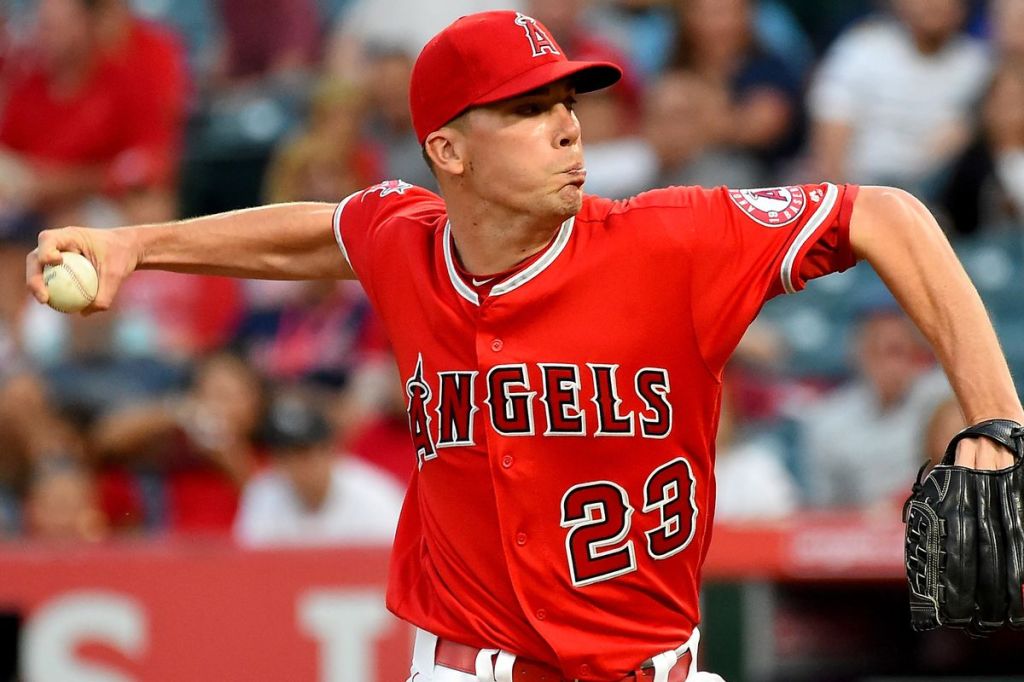
Nationals: Alex Meyer (23rd overall pick in 2011)
Photo Credit: Jayne Kamin-Oncea/Getty Images
The Nats had three first-round picks in 2011: their normal slot based on their performance during the season (sixth overall) plus two more compensatory picks (23rd and 34th) earned from the Chicago White Sox after Adam Dunn signed in Chicago as a free agent from Washington.
In a loaded 2011 draft class, the Nats made the right move with their sixth overall pick, taking Anthony Rendon. The team saw future All-Stars Francisco Lindor, Javier Baez and GeorgeSpringer (among others) go off the board before picking again at 23, where they selected Meyer.
Meyer, a then-21-year-old pitcher from Greensburg, Indiana had just finished his junior year at the University of Kentucky. Meyer led the Wildcats in his final season with a 2.94 ERA, seven wins, 101.0 innings pitched and an SEC-leading 110 strikeouts. His .222 opponent batting average was lowest on the team.
Meyer was considered a top 100 prospect entering the 2012 season, where he pitched for the Hagerstown Suns, and earned a spot at the All-Stars Futures Game. He finished the year in Hagerstown with a 7-4 record in 18 starts, a 3.10 ERA and 107 strikeouts. He also started seven games for the Potomac Nationals that season, posting a 2.31 ERA and 32 strikeouts in 39.0 IP.
After a great start to his minor league career, that would be it for Meyer with the Nationals organization; he was traded to the Minnesota Twins in exchange for Denard Span. After a solid 2013 season in Double-A, Meyer entered the 2014 season on the Triple-A roster as an ascending prospect, but never quite found his footing, and his numbers got worse.
He managed to make his MLB debut with Minnesota in June of 2015, but was sent back down after two appearances. Meyer was traded to the Los Angeles Angels organization in 2016 and spent most of his time in Triple-A. He made 13 major league starts for the Angels in 2017, going 4-5 with a 3.74 ERA and 75 strikeouts.
A torn labrum in September 2017 sidelined Meyer for the entire 2018 season, and he was designated for assignment in November of 2018. Meyer eventually re-signed with the Angels on a minor league deal, but after multiple surgeries and a tough rehabilitation process decided to retire in June of 2019.
Even if he had panned out, the Nats would not have reaped the benefits, but the combination of injuries and slow development led to an underwhelming finish for the former first-rounder. Ironically for the Nationals, Joe Ross was selected by the San Diego Padres two picks after Meyer, and Ross is now a back-of-the-rotation starter in DC.
Brian Goodwin, meanwhile, was the team’s selection at 34, and after a few seasons with the Nats as a reserve outfielder/pinch hitter, Goodwin played 136 games in 2019 with the Angels.
Top players selected shortly after: SS Joe Panik (29th), OF Jackie Bradley, Jr. (40th), RHP Michael Fulmer (44th), SS Trevor Story (45th)
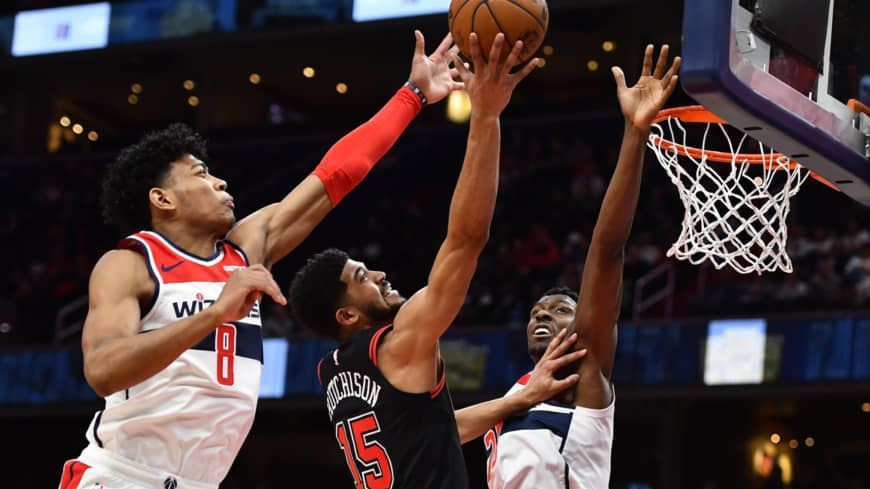
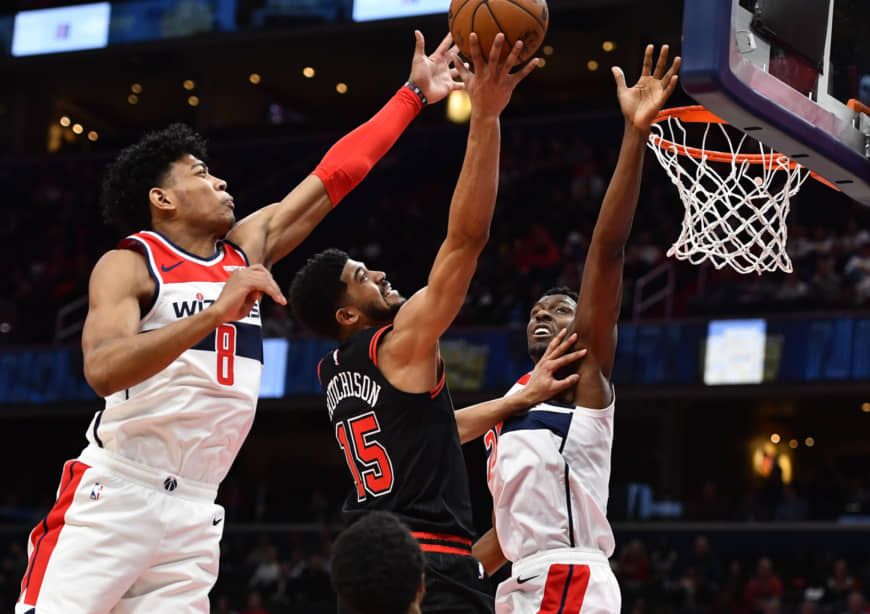
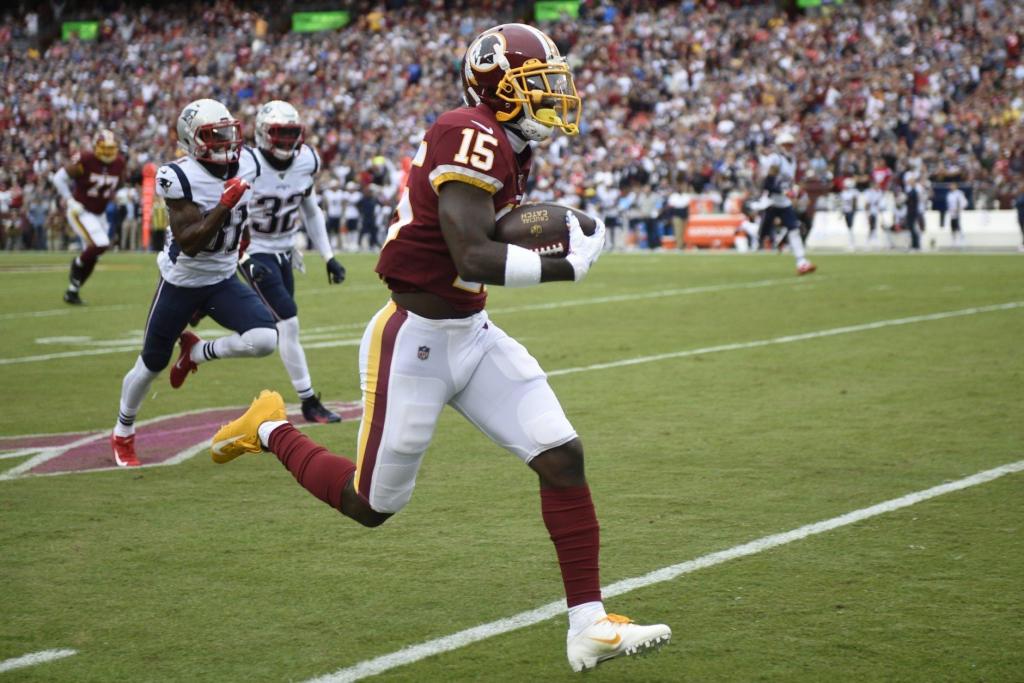
Redskins: Josh Doctson (22nd overall in 2016)
Photo Credit: Geoff Burke/USA TODAY Sports
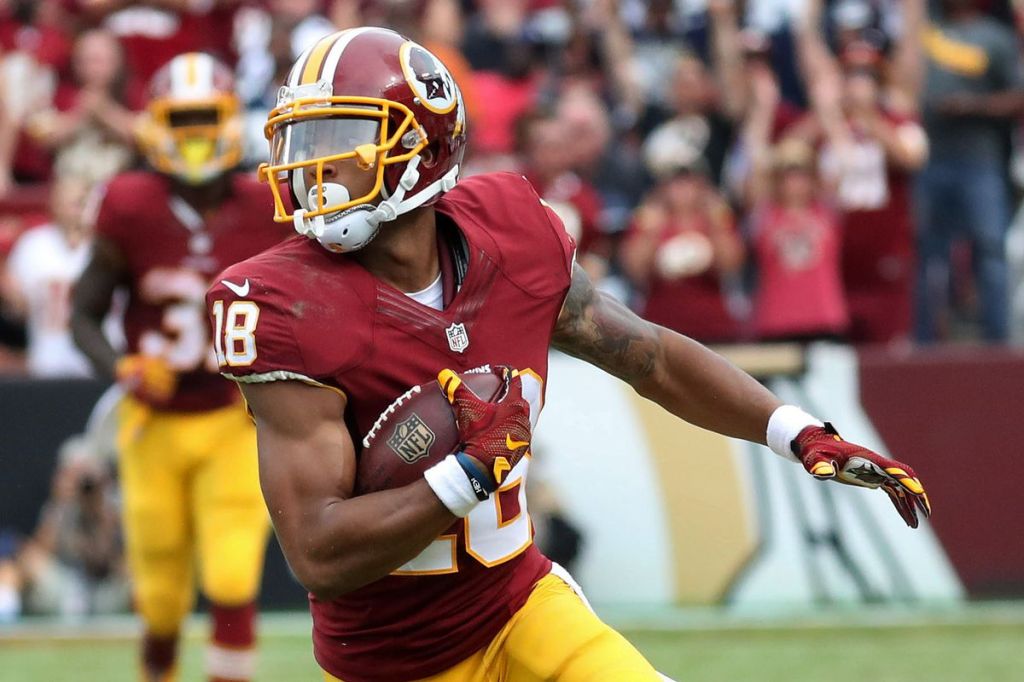
Doctson was brought in from TCU as an heir apparent poised to lead the receiving corps since PierreGarcon and Desean Jackson were expected to leave following the 2016 season. Doctson put up 1,327 yards and 14 touchdowns on 79 receptions in his final season at TCU, and was expected to bring a jolt to the offense.
Instead, Doctson suffered an Achilles injury that would leave him with just two games played as a rookie. He came back for all 16 games in 2017, where he was expected to take the lead, but he instead finished fifth on the team in receiving yards with 502 on 35 receptions, behind the likes of Jamison Crowder, 33-year-old tight end Vernon Davis, Ryan Grant and third-down running back Chris Thompson. At the same time, Doctson’s six receiving touchdowns led the team.
In 2018, Doctson managed to improve his numbers slightly from the previous season, with 532 yards and 44 receptions, which placed him second on the team in receiving behind Jordan Reed. He was expected to be a main receiving threat at this point in his career, and with just two touchdowns and not even 600 receiving yards in his third season, it was becoming clear that he wasn’t the answer.
The team declined his fifth-year option prior to the 2019 season, and after briefly shopping him on the trade block, released him a few months later. Doctson signed a one-year deal with the Minnesota Vikings, where played just seven offensive snaps and was waived in late November.
He signed with the New York Jets in late February, where he will have to fight Breshad Perriman, former Redskins teammate Crowder and 2020 second-rounder Denzel Mims for targets.
Some may argue that Robert Griffin III was the worst pick of the decade, as the quarterback position is more valuable and the team traded multiple picks to get him, but the 2012 second overall pick’s rookie season alone tops all three of Doctson’s seasons in my book.
While the team lost in the Wild Card round, Griffin III still led the team to its first division title since 1999, and he earned Offensive Rookie of the Year and a Pro Bowl selection in the process. While the wide receiver position naturally has less of an impact, Doctson never helped the team achieve any success even with capable quarterbacks like Kirk Cousins and Alex Smith throwing him passes for the majority of his career.
Top players selected shortly after: DT Kenny Clark (27th), OLB Jaylon Smith (34th), TE Hunter Henry (35th), DT Chris Jones (37th), CB Xavien Howard (38th), RB Derrick Henry (45th), WR Michael Thomas (47th)
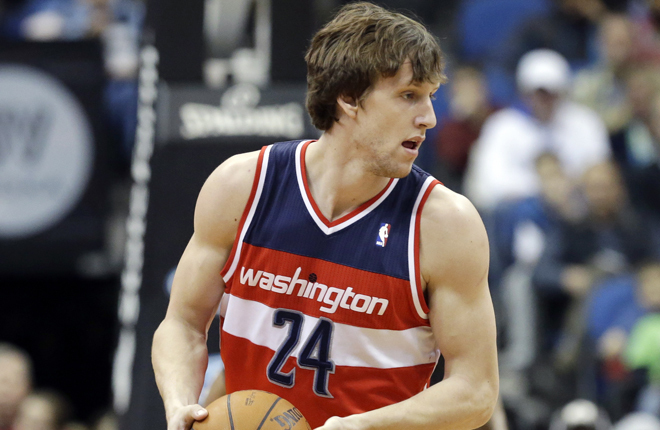
Wizards: Jan Vesely (6th overall pick in 2011)
Photo Credit: Jim Mone/AP
The Czech forward was the team’s next major draft pick after the team selected John Wall first overall in 2010, but the big man was not as NBA-ready as Wall was. Vesely started 20 games in his first season, and played in 57 games overall, averaging 4.7 points and 4.4 rebounds in close to 19 minutes per game.
While not expected to burst onto the scene as a rookie, his underwhelming output regressed in his second season, where he appeared in 51 and saw his playing time decrease to around 12 minutes per game. His averages sank to 2.5 points and 2.4 rebounds per game, and he shot an abysmal 30.8 percent from the free throw line.
Vesely was traded to the Denver Nuggets in his third season, and spent the last 21 games of his NBA career in Denver with similar numbers.
After signing with Turkish club Fenerbahce in 2014, Vesely has since developed into a EuroLeague star. He was All-EuroLeague First Team for the first time in 2016, and he won the EuroLeague Championship in 2017. He made First Team again in 2018 and 2019, and was voted EuroLeague MVP in 2019. (Dallas Mavericks star Luka Doncic won the award the year prior in 2018). Vesely shot 65.1 percent from the field in 2018-19, and averaged 12.3 points, 4.7 rebounds, 2.4 assists and 1.4 steals per game.
Vesely may have found success overseas, but looking at the players the Wizards missed out on in 2011, it makes the whiff on Vesely hurt more. The team would eventually trade for a former 2011 first-round pick, as Markieff Morris joined the Wizards in 2016 from Phoenix, the team that drafted him 13th overall.
The Wizards have a shaky history with their first-round picks, but Vesely is certainly the worst in recent memory.
Top players selected shortly after: G Kemba Walker (9th), G Klay Thompson (11th), F Kawhi Leonard (15th), C Nikola Vucevic (16th), F Tobias Harris (19th)
Red Sox-Yankees. Ohio State-Michigan. Chestnut-Kobayashi. In every sport, rivalries enhance the viewing experience for sports fans. It can add stakes and bragging rights to otherwise inconsequential games. It bands a fanbase together against a common enemy. Rivals are the players/teams that you love to hate.
The Washington teams have plenty of rivals, whether it’s based on geography, recent playoff meetings or individual players. Fans will circle their calendars whenever these teams are scheduled to play each other, and they’ll pay close attention to their progress throughout the season, rooting for failure.
These teams come from cities of their own, and as a result, have become associated as a rival city. Some rival cities are based on just one team, and barely register as a true rival. Others are fully ingrained in the past, present and future of the team’s history.
Today, I will be listing the 10 most significant rival cities for Washington, D.C., from least to most intense.
Tier 5: Barely rivals, not that hostile
10. Tampa
Teams associated with Washington: Tampa Bay Lightning
Photo Credit: NHL.com
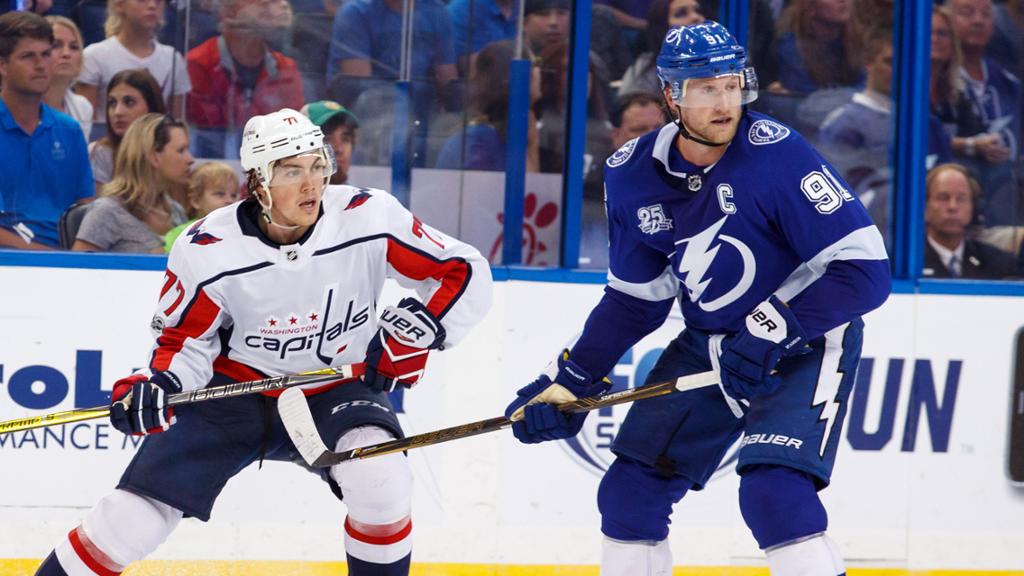
Tampa is barely a rival city to Washington. Of Tampa Bay’s three major teams, only the Lightning have a somewhat contentious history with Washington. The Capitals and Lightning do not play in the same division, but they have run into each other in the playoffs several times since the Lightning entered the NHL in 1992.
With three playoff meetings, the first coming in 2003, the Lightning lead 2-1 all-time, but the Caps won most recently when the teams squared off in the back-and-forth, seven-game Eastern Conference Finals of 2018, en route to the Caps’ first Stanley Cup.
Both teams have, for the most part, been among the best teams in the league for much of recent history, which has led to some hostility in the playoffs, but once one or both teams fade into the basement of the league, the minimal animosity that exists between the two cities should fade entirely.
9. Carolina (Raleigh/Charlotte)
Teams associated with Washington: Carolina Hurricanes*, Charlotte Hornets*
Photo Credit: NBC Sports Washington
*= division rival
While not exactly a city, the teams of North Carolina are within close proximity to the Washington teams, and as a result, two of the three teams that play in the Carolinas are in the same division as the Washington teams in those same leagues (NBA and NHL).
Despite the division rivalries, the animosity between the two regions has not exactly been heated in recent years. The Capitals and Hurricanes faced each other in the first round of the 2019 playoffs, but even then it just seemed more like a normal playoff matchup as opposed to two rivals going at each other.
Meanwhile in the NBA, Charlotte is one of the least successful franchises in league history, and the Wizards have not had much to hang their hat on in recent years either, so if there came a time when both teams became league powers, the story could be different, but otherwise, the fanbases have not had much to jaw each other about.
The Panthers, meanwhile, have been somewhat related to the Redskins in recent years, as the Skins lured Josh Norman, their First Team All-Pro corner, to Washington as a free agent in 2016, and they also brought on former head coach Ron Rivera and quarterback Kyle Allen this offseason. Enough to stoke the flames for a true rivalry? Hardly, but it’s an interesting connection nonetheless.
Tier 4: Hostile only if both sides are good
8. Boston
Teams associated with Washington: Boston Celtics, Boston Bruins
Photo Credit: Greg M. Cooper/USA Today Sports
In football and baseball, the Washington and Boston teams play in different conferences/leagues without much significant history head-to-head, so the only real rivalry comes in basketball and hockey.
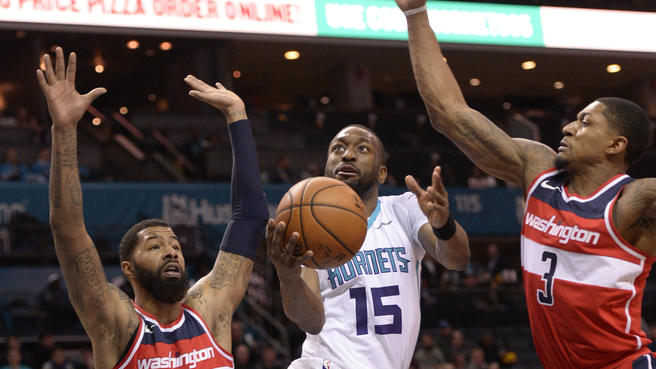
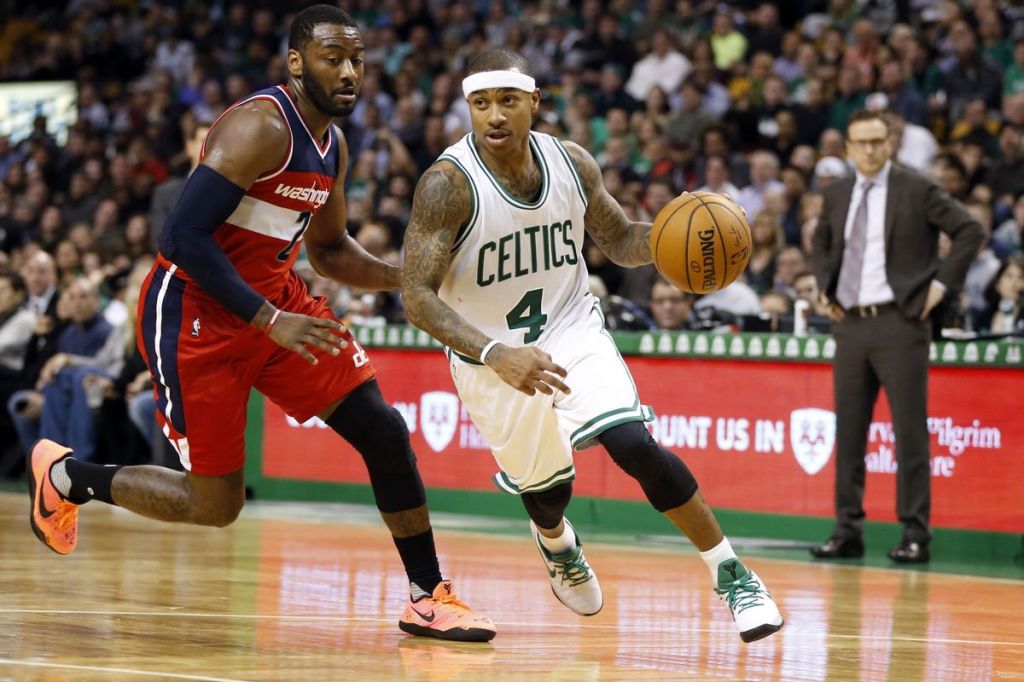
The Celtics and Wizards had much back-and-forth in the 2016-17 season, where both sides posed as threats to LeBron James’ Cavaliers in the Eastern Conference playoff picture. With scuffles and off-court smack talk, Wizards-Celtics quickly developed into a modern Eastern Conference rivalry. The teams met in the second round of the 2017 playoffs, where the Celtics ultimately topped the Wizards in seven games, and while the Celtics have since remained a top team in the East, the Wizards slowly sunk back out of the playoff picture, ending the hostility for the time being.
The Bruins and Capitals, meanwhile, have long been two major forces in the Eastern Conference. With the current playoff format and their recent standings in the league, the only time the teams would be able to meet in playoff hockey is the conference final, but every matchup between the two sides always brings excitement.
Once one or both teams fall out of contention, there won’t be much intensity. (Fun fact: the Redskins franchise began in Boston as the Boston Braves/Redskins from 1932-1936.)
7. Miami
Teams associated with Washington: Miami Marlins*, Miami Heat*, Miami Dolphins
Photo Credit: Brad Mills/USA Today Sports
The DC area has two division rivals in Miami, but with the recent struggles of the Marlins, and the lack of close competition between the Wizards and Heat, neither have established themselves as major rivals.
The Marlins have been in a miserable state for years, and continue to face a lengthy rebuild. The Nats, meanwhile, have won the NL East four times in the past eight seasons, and just won the World Series in 2019. The teams just have not been on the same competitive level for it to get tense. If both teams find themselves in a tight division race down the line, then things should get interesting, but that’s the only way.
The same situation can be found in the NBA, except the Heat have been the superior team. Through the Dwyane Wade and LeBron years, plus the resurgent Jimmy Butler-led Heat, Miami has been competitive in most years over the past 15 seasons. The Wizards, meanwhile, have had a few strong seasons, but otherwise remained squarely out of finals contention.
The Redskins and Dolphins don’t have much relation these days, but they faced each other in the Super Bowl twice, first in Super Bowl VII, where the Dolphins completed their perfect season in 1972, and again in Super Bowl XVII, where the Redskins got revenge to win their first Super bowl in the 1982 season.
Tier 3: Consistently heated
6. Baltimore
Teams associated with Washington: Baltimore Ravens, Baltimore Orioles
Photo Credit: Tom Gilligan/USA Today Sports
Unlike most of the cities on this list, neither of the Baltimore teams share a division or even a conference with the Washington teams, but the shear proximity of the two cities brings natural animosity.
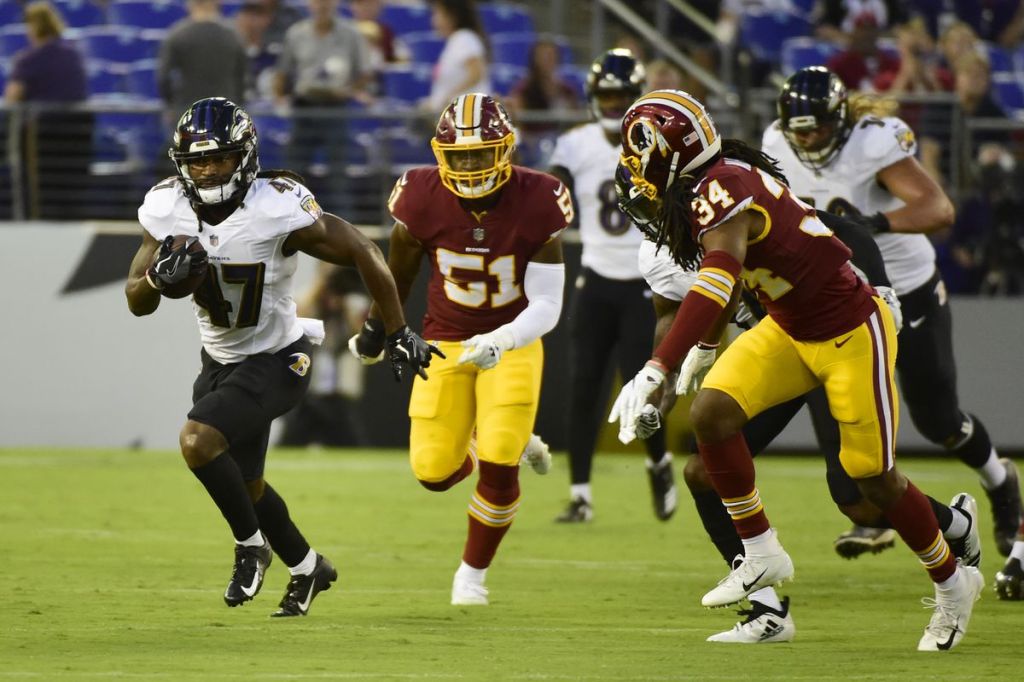
The Ravens and Redskins play each other just once every four years, so while the head-to-head matchups are rare, the fanbases definitely exchange barbs throughout the season. There are some Redskins fans who consider the Ravens their AFC team, and vice versa, and there are even some disgruntled Redskins fans who are switching sides entirely, so while the geography can put the two sides at odds, it’s not nearly as hostile as other rivalries.
The Orioles and Nationals, meanwhile, get to face off at least four teams every season in “The Beltway Series.” The Orioles hold the all-time lead, but the teams have been on opposite sides of the major league standings in recent years. Given the more consistent meetings, a secondary rivalry has been cultivated, but only that goes so far.
When Washington was without a baseball team from 1972-2004, many Washingtonians turned to the Orioles as their baseball team, so the Nats’ arrival has created a plethora of fans who root for the Nats in the NL and the O’s in the AL.
There is certainly a love/hate dynamic when it comes to Baltimore and Washington, so while it may not be among the most intense city rivalries, it certainly holds a significance in Washington.
5. Atlanta
Teams associated with Washington: Atlanta Hawks*, Atlanta Braves*
Photo Credit: USA Today Sports
Atlanta, much like Miami, shares two division rivals with the city of Washington, except in recent years, the Washington and Atlanta teams have been zigging and zagging at the same time. In other words, these teams have been good and bad around the same time in recent years.
For example, when the Nationals arrived in 2005, and stumbled around in last place for a few years, the Braves didn’t finish any better than third in the division from 2006-2009. When the Nats won the division for the first time in 2012, the Braves finished second, and when the Braves won in 2013, the Nats were second.
The Braves had a few down years from 2015-2017, where the Nats won the division twice in that span, but in the past two seasons, both teams were back at the top of the division again, nearly meeting in the NLCS in 2019.
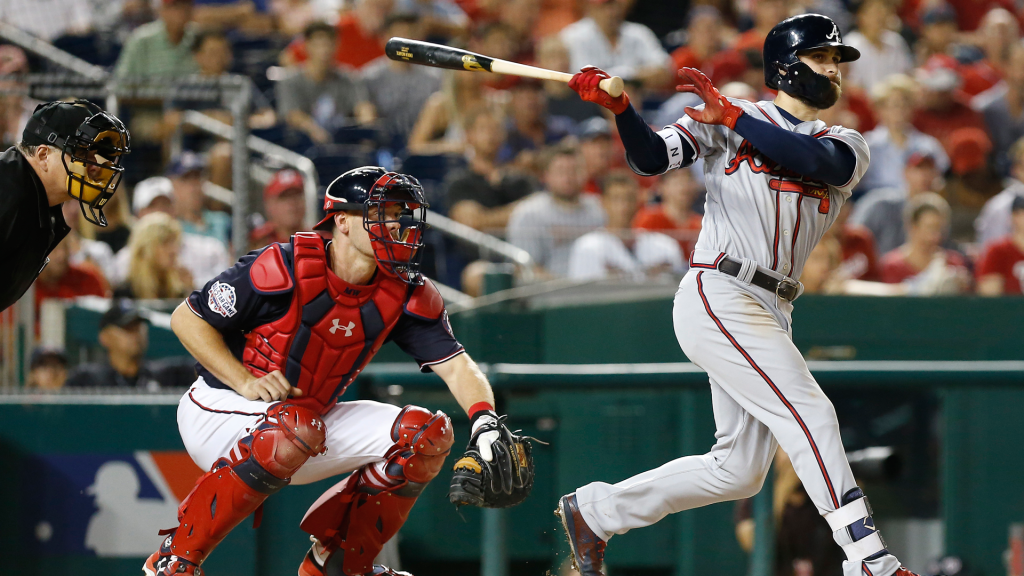
There has not been any playoff history between these two sides, but both teams have been in the thick of the division races for the better part of a decade, so there is certainly a fair amount of disdain between both teams.
The Hawks and Wizards, meanwhile, have met a couple times in the playoffs, and have largely followed the same trend when it came to winning and losing seasons. The Wizards peaked in the John Wall era from 2013-2018, making the playoffs four times across five seasons. The Hawks, while making 10 consecutive playoff appearances from 2008-2017, didn’t become a true powerhouse until 2014-15, where they won 60 games and made it to the conference finals, knocking off the Wizards in the process. Nowadays, both teams are toward the bottom of the Eastern Conference, and are trying to build back into playoff contenders.
The relationship between Atlanta and Washington is not the most contentious, but it’s certainly among the top five rival cities.
Tier 2: Strong hatred in just one league
4. Pittsburgh
Teams associated with Washington: Pittsburgh Penguins*
Photo Credit: NHL.com
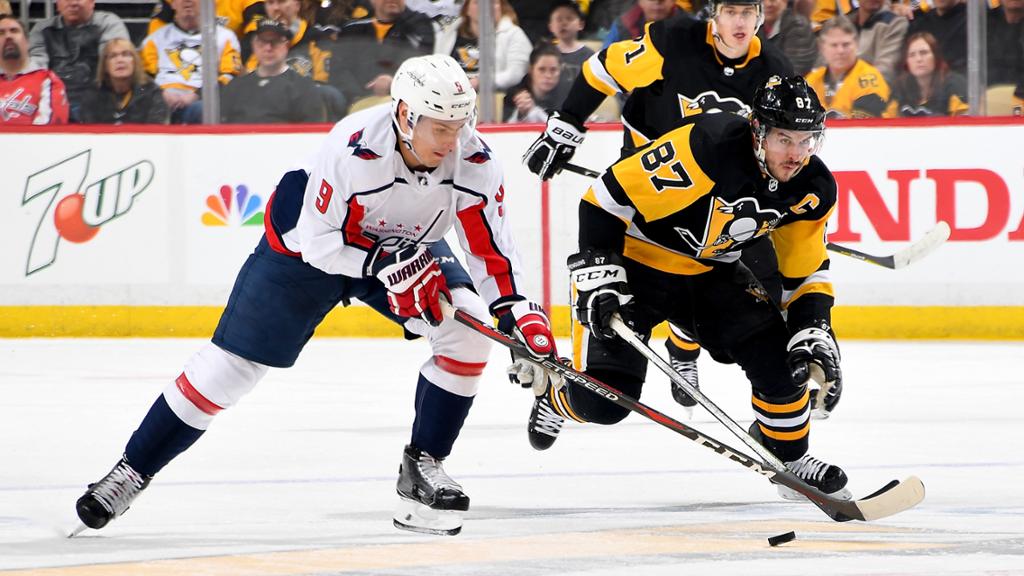
Although the Steelers and Pirates have no real connection with their Washington counterparts, the Penguins are the most hated team hockey team in Washington. With a long history of postseason exits at the hands of the Penguins and the individual rivalry of Sidney Crosby and Alex Ovechkin, (although Ovechkin and fellow Russian Evgeni Malkin had more of a direct dislike for each other), the rivalry between the Caps and Penguins alone is enough to vault the city of Pittsburgh over the other teams on this list.
Entering the 2018 playoffs, the Capitals were 1-9 against the Penguins in playoff series all-time, and the two previous seasons saw Pittsburgh knock off the top-seeded Capitals en route to a Stanley Cup championship. Ovechkin’s Capitals finally beat the Penguins in the playoffs in six games, and went on to win the team’s first Cup of its own, so the Caps have the last laugh so far. Still, with just a 2-9 postseason record against Pittsburgh, the mutual hatred persists.
Additionally, any Ravens supporters from Washington will strongly dislike the Steelers, as they are a major rival of the Ravens, but looking strictly at Washington teams, it’s the Penguins alone that put Pittsburgh in this tier.
3. Dallas
Teams associated with Washington: Dallas Cowboys*
Photo Credit: Redskins.com
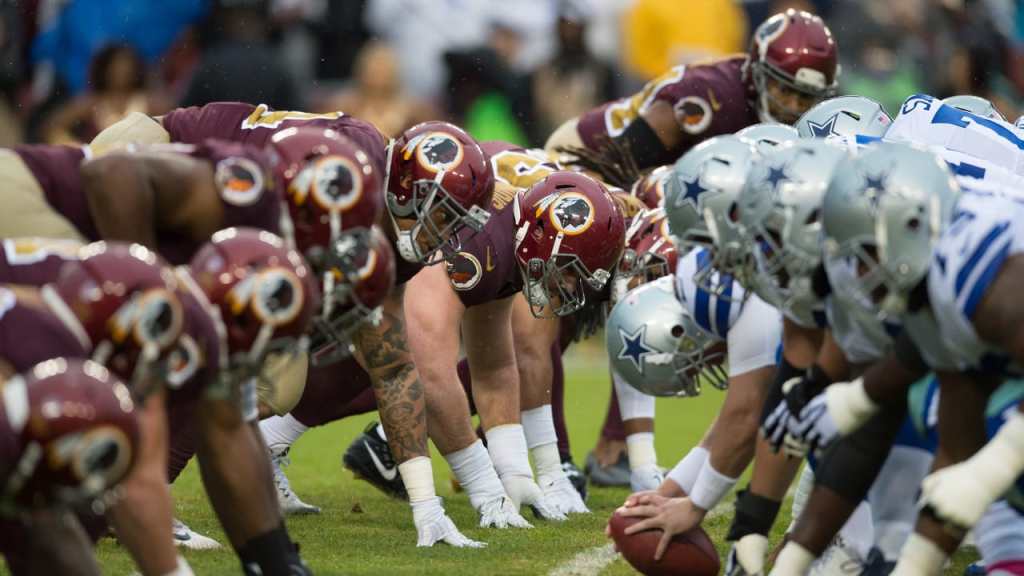
The Redskins-Cowboys rivalry is one of the biggest rivalries in league history, although the Redskins’ past 20 years of struggles have weakened it on the national landscape. While the Cowboys’ national following among bandwagon fans and the constant delusion that pervades the fanbase makes the team widely disliked on a national scale, their NFC East rivals have even more reason to dislike them.
Much like Pittsburgh, none of the other Dallas teams have any sort of rivalry with Washington, as the Mavericks and Stars play in the Western Conference in their respective leagues, and the Rangers play in the AL. That said, the Rangers arrived in Arlington (in the Dallas-Fort Worth metro area) from Washington, when the second version of the Washington Senators relocated after the 1971 season, so there could be some valid gripes with the Rangers among DC baseball fans.
Both the Cowboys and Redskins have meddling owners, play in large stadiums and are among the handful of teams with three or more Super Bowls, but neither have won one since the 1990s, and yet despite the similarities, the hatred between these two teams is as strong as ever before. It’s better for the rivalry when both teams are competitive, and yet either fanbase would ideally want the other team to finish 0-16 every season.
Tier 1: Strong hatred in multiple leagues
2. New York
Teams associated with Washington: New York Giants*, New York Rangers*, New York Mets*, New York Islanders*
Photo Credit: Mitchell Layton/Getty Images
The Redskins and Giants are two of the oldest franchises in the NFL, and while their rivalry is not as strong as it is with the Eagles and Cowboys, there is still plenty of smack and bragging rights at stake when both sides face off twice every year.
The Capitals, meanwhile, have two division rivals from New York, but the recent playoff history with the Rangers has put them right behind Pittsburgh when it comes to the most hated hockey teams in Washington.
The Caps met the Islanders numerous times during the playoffs in the 1980s and ’90s, but the two sides have not met in a series since 2015. The Caps’ former head coach, Barry Trotz, went to the Islanders after winning the Stanley Cup, adding a little notch in the intrigue between the teams, but there is still much more animosity with the Rangers’ fanbase than there is with the Islanders’.
The Mets are yet another division rival for a Washington team, and the their up-and-down performances in recent years has either put them squarely in the playoff race or way out of it; no matter the results, the rivalry is fierce. After showing out for the Mets in the 2015 NLCS, DanielMurphy signed with the Nationals during the following offseason and became a key offensive piece in DC, wreaking extra havoc anytime they faced the Mets.
With strong rivalries across multiple leagues, there is no doubt that New York is arguably the biggest rival city for Washington, but I believe the next one takes the cake…
1. Philadelphia
Teams associated with Washington: Philadelphia Eagles*, Philadelphia Phillies*, Philadelphia Flyers*
Photo Credit: Geoff Burke/USA Today Sports
Of the most volatile fanbases nationwide, Philly likely tops all lists. The Eagles’ Lincoln Financial Field is a hostile environment for every opposing fan, but the intensity multiplies for any division rival. The general nastiness leads to endless trash-talking and sometimes physical altercations. That spans across all sports.
The Flyers are not as big a rival to the Capitals as the Penguins and Rangers, but the teams have recent playoff meetings, including the 2016 playoffs, when the game was halted after fans threw tribute bracelets for Ed Snyder— the longtime team owner who had recently died — after the Caps had taken a large lead.
The Phillies are a major division rival that became more hated in Washington after the Nats’ 2010 first overall pick and former Rookie of the Year/MVP Bryce Harper left the team to sign a 13-year/$330 million deal with the Phillies after 2018. The once-adored star in Washington quickly became a traitor, and every matchup since has become a must-watch event.
As it becomes more familiar seeing Harper in a Phillies uniform, that excitement will fade, and no doubt the Nationals’ World Series title will likely lessen the fans’ resentment, but the rivalry will never fade as long as the two sides play in the same division.
If the Wizards and 76ers ever become top teams in the Eastern Conference at the same time, that will no doubt turn into a fierce rivalry on and off the court, but for now, the teams play in separate divisions, and have not been good at the same time in recent years.
Even without the Sixers, the three Philly teams combine to form the biggest rival city for the Washington teams.
What do you think about this list? Let me know in the comments or tweet me @Joe_Poho.
A one-year wonder in a sports context can be defined as a player who only had one good season in their entire career, such as PeytonHillis, who totaled 1,647 scrimmage yards and 13 total touchdowns as a running back for the Cleveland Browns in 2010, and was featured on the cover of the Madden 12 video game for the following season, then never eclipsed 600 rushing yards or three touchdowns for the remaining four years of his career.
On a franchise scale, it can be defined as a player who starred in his lone season with the team. For this series, we will be going by the latter definition. For all four DC teams, players have come and gone after one season, most not making any notable impact, but a select few turning in star-level performances. In this series, we have be looked at the players who made the most of their limited time in DC, concluding with the Nationals.
Alfonso Soriano (Left Fielder, 2006)
Photo Credit: Jonathan Daniel/Getty Images
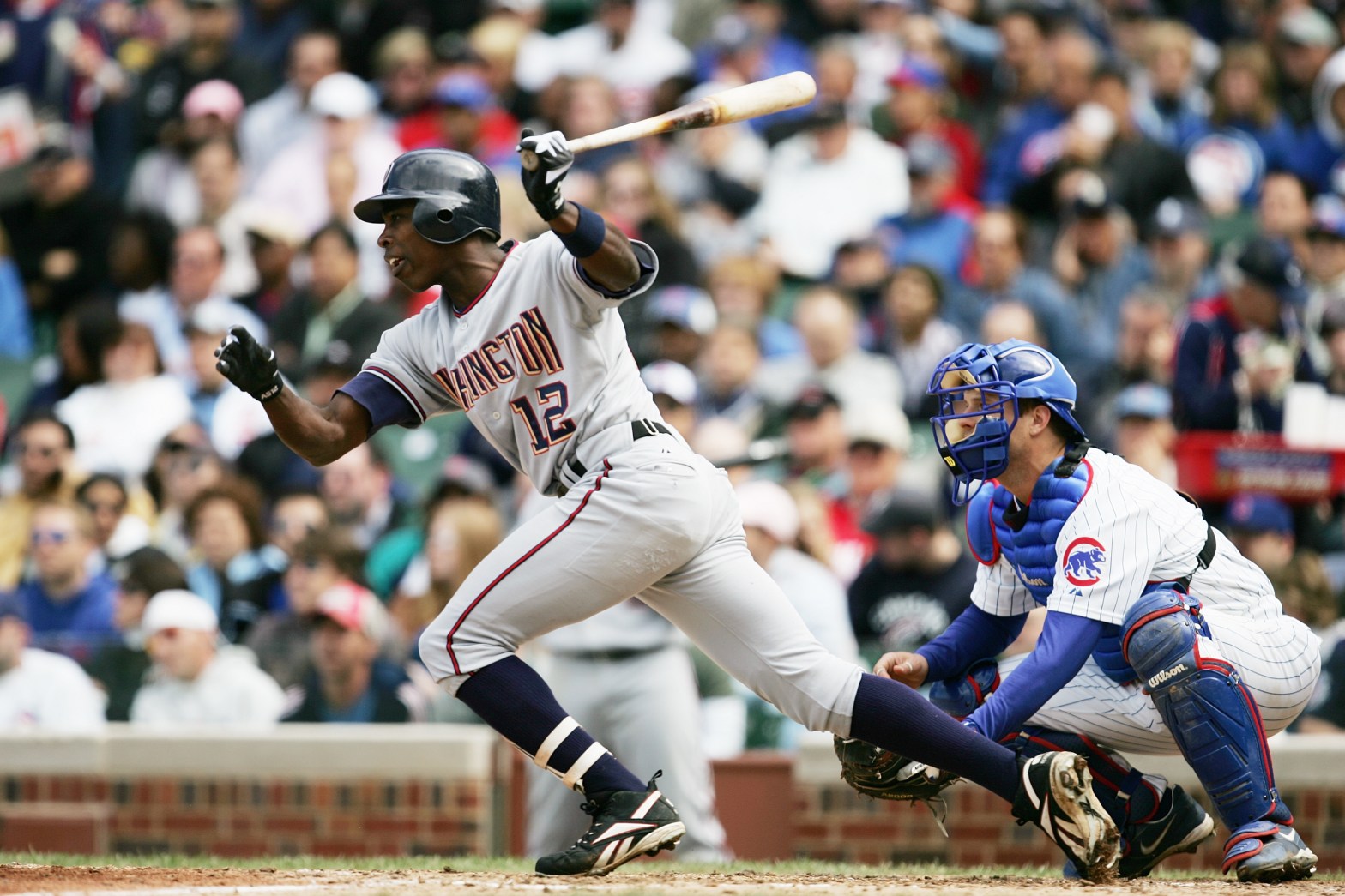
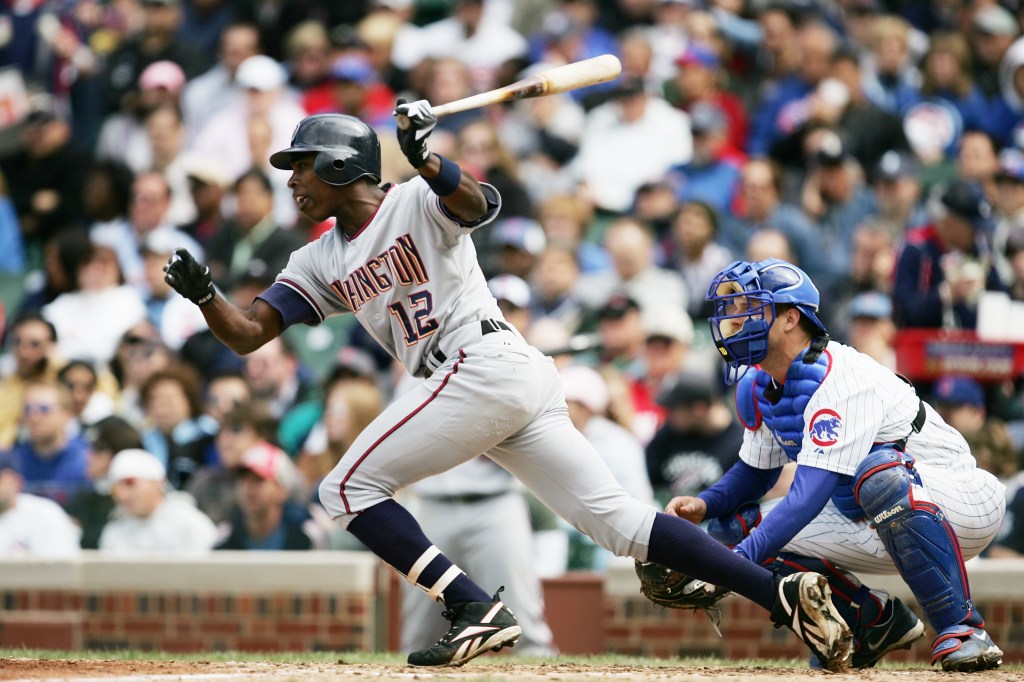
The Nats traded for Soriano prior to the 2006 season, the team’s second year in Washington, and it was not a smooth transition. After Soriano received a $10 million salary (the highest ever rewarded in arbitration at the time), the Nats offered him a five-year/$50 million extension. Soriano wanted to reach free agency following the season, so he rejected the deal, and shut down any future negotiations until after the 2006 season.
Once the season actually started, manager Frank Robinson rubbed his new star player the wrong way by slotting the natural second baseman in left field since second base was already manned by Jose Vidro. Soriano initially refused to play after the positional switch, but once the team threatened to disqualify his contract, preventing him from reaching free agency at season’s end, he gave in.
Soriano had made the All-Star Game in the four previous seasons, so the events during the offseason and the learning curve of a new position (on a last-place team, no less) were all cause for concern about his prospects in DC, but Soriano didn’t skip a beat.
Soriano brought stellar defense to the outfield, and brought a level of offense reminiscent of his 2002 season, where he finished third in AL MVP voting with the New York Yankees.
With the Nats, he became the fastest player to reach 200 home runs and 200 stolen bases (929 games), and by season’s end he became the first player to have 40 home runs, 40 stolen bases, 40 doubles and 20 stolen bases in a single season.
He made his fifth consecutive All-Star Game, and was the only representative from the Nats. He went 1-2 in the lead-off spot, and managed to steal a base as well.
The 30-year-old Soriano finished the year with team-highs in home runs (46), stolen bases (41), total bases (362), slugging percentage (.561) and WAR (6.1). While he also led the team in strikeouts (160), he finished in the top three for RBI (95), walks (67), doubles (46) and batting average (.277). Despite his efforts, the Nats finished the year 71-91, fifth in the NL East.
Although the team struggled, Soriano earned his fourth Silver Slugger award, and he finished sixth in NL MVP voting. Had the Nats finished with a better record, he may have finished even higher in the MVP race.
With his free agency on the horizon, and the Nats well-out of contention, Soriano’s name always popped up on the trade block. Offers came in from the Yankees, Chicago Cubs and Los Angeles Dodgers, but the Nats decided none were worth a deal. Soriano expressed he wanted to stay in Washington, and the feeling was mutual with fans and teammates wanted him to return.
While the Nats offered a $70 million deal shortly after the conclusion of the season, Soriano declined and wound up signing an eight-year/$136 million deal with the Cubs. Soriano would make the next two All-Star games as a Cub, but slowly declined as he reached his mid-30s.
Aside from personal accomplishments, there was not much to take away from Soriano’s lone season in DC from a team perspective, not that he is to blame for that. Still, in the Nationals’ short history, no one-year player has been nearly as prolific as Soriano was in 2006.
A one-year wonder in a sports context can be defined as a player who only had one good season in their entire career, such as PeytonHillis, who totaled 1,647 scrimmage yards and 13 total touchdowns as a running back for the Cleveland Browns in 2010, and was featured on the cover of the Madden 12 video game for the following season, then never eclipsed 600 rushing yards or three touchdowns for the remaining four years of his career.
On a franchise scale, it can be defined as a player who starred in his lone season with the team. For this series, we will be going by the latter definition. For all four DC teams, players have come and gone after one season, most not making any notable impact, but a select few turning in star-level performances. In this series, we will be looking at the players who made the most of their limited time in DC, continuing with the Wizards.
Paul Pierce (Forward, 2014-15)
Photo Credit: Sports Illustrated
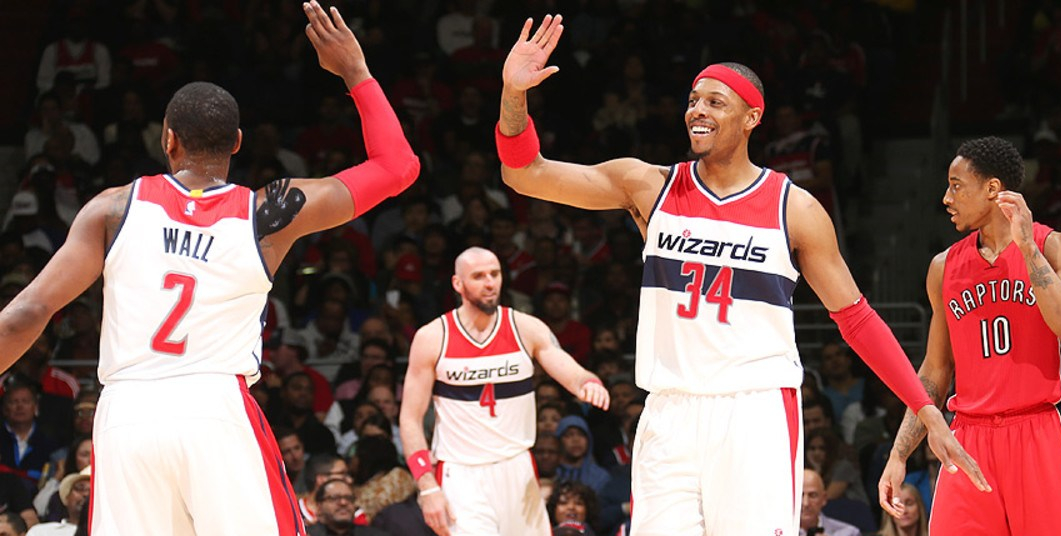
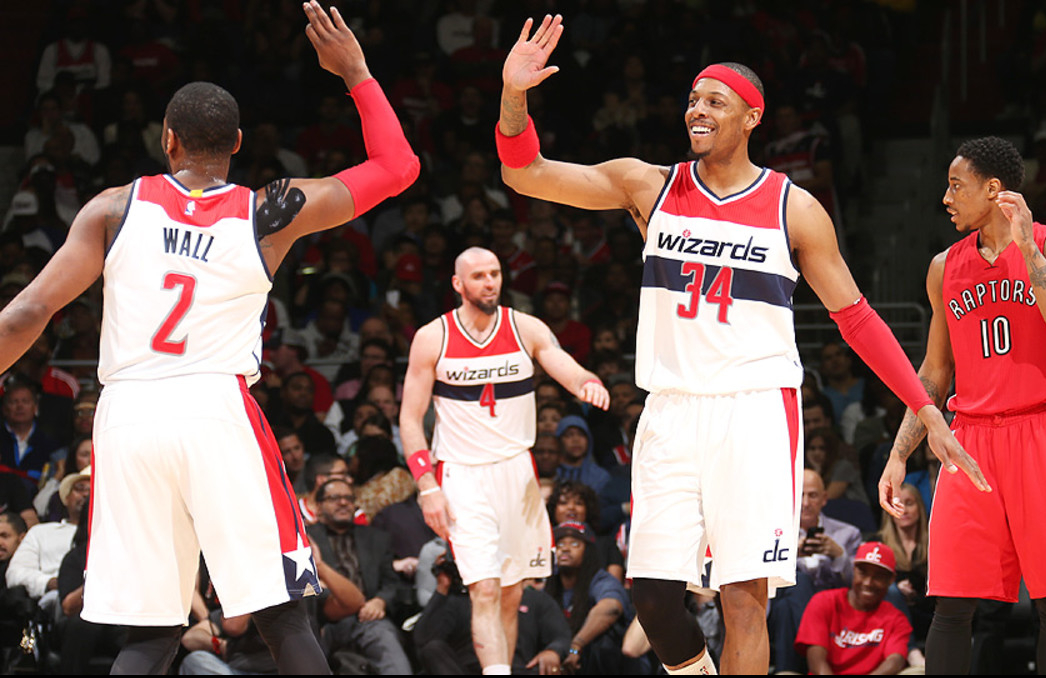
“The Truth” made his name with the Boston Celtics, winning a championship and Finals MVP in 2008, and the 10-time All-Star instantly brought a strong veteran presence to join the budding star duo of John Wall and Bradley Beal.
At 37, Pierce was well-past his prime, but he still managed to average 11.9 points (fourth-most on the team) and 4.0 rebounds. He was also a reliable presence despite his age and injury risk, as only Marcin Gortat and Wall started more games than Pierce did that season (73 games).
Pierce’s big-game experience helped prepare this core for future, albeit futile, playoff runs, and it all started with utter domination against the Toronto Raptors in the first round of the 2015 playoffs. Whether it was knocking down shots on the court, or talking trash off of it, Pierce elevated the Wizards to a 4-0 sweep over the favored Raptors. He averaged 15.5 points, 3.3 rebounds and shot 58.3 percent from three-point land in the series.
As entertaining as Pierce’s trolling against the Raptors was, his performance against the top-seeded Atlanta Hawks in the next round gave the franchise one of its greatest moments of the decade, and very nearly delivered a second.
With Wall injured in Game 3, the Wizards had blown a 19-point lead they had built up entering the fourth quarter, and the game was tied 101-101 with seconds to go. Pierce had the ball at the top of the key with six seconds left, with Atlanta’s Dennis Schroder playing tight defense. Pierce pivoted, trying to find an open lane to drive, before taking one dribble to Schroder’s right.
Schroder took a step back, anticipating a drive to the bucket, but Pierce pumped the breaks, took a step-back jumper, and the rest was history.
After giving Washington a 2-1 series lead on a buzzer-beater, Pierce responded to Chris Broussard’s question, which joked about the legitimacy of a bank shot, with a legendary clapback: “I called game!”
The Wizards were up 2-1 in the series, but it would end up being the final win in Pierce’s Wizards career. After dropping Game 4 by five points, and falling in Game 5 by just one, the Wizards were in must-win mode for Game 6.
Down by three with 6.4 seconds left in the game, Beal inbounded the ball to Wall on the left wing, who took the ball to the top of the key before flinging the ball to Pierce, who had swapped places with Wall. Pierce dribbled to the left corner, trying to create more space for a shot and launched an off-balance attempt as the buzzer sounded. Remarkably, the shot went in, and the Verizon Center went into a frenzy yet again, as it seemed overtime was coming.
Instead, the play was reviewed, and it was ruled the ball had not left Pierce’s hands by the time the clock hit zero, and so anti-climactically, the Wizards’ season was over.
What could have been Pierce’s second buzzer-beater of the series turned out to be Pierce’s final play as a Wizard.
That final shot from Pierce would be his last in a Wizards uniform, as he would opt out of the second year of his contract and sign with the LA Clippers to reunite with his former coach, Doc Rivers.
In just one year, Pierce accomplished about as much as anybody else in a Wizards uniform has recently, and while his stats didn’t pop off the page, they were certainly impressive coming from a 37-year-old. Not to mention, the example he set for the young stars of the team would end up helping them in the future. The Wizards never came close to being a title contender, (although I will say: had the 2017 playoffs broken differently, I believe that Wizards team could have taken LeBron James’s Cavaliers to six games), but Pierce’s impact on the franchise is still noteworthy.
From a statistics perspective, Scott Skiles put up good numbers in his lone season with the Bullets in 1994-95, averaging 13.0 points and 7.3 assists in 33.5 minutes per game, but in my eyes, the true one-year wonder for the Wizards is Pierce.
A one-year wonder in a sports context can be defined as a player who only had one good season in their entire career, such as PeytonHillis, who totaled 1,647 scrimmage yards and 13 total touchdowns as a running back for the Cleveland Browns in 2010, and was featured on the cover of the Madden 12 video game for the following season, then never eclipsed 600 rushing yards or three touchdowns for the remaining four years of his career.
On a franchise scale, it can be defined as a player who starred in his lone season with the team. For this series, we will be going by the latter definition. For all four DC teams, players have come and gone after one season, most not making any notable impact, but a select few turning in star-level performances. In this series, we will be looking at the players who made the most of their limited time in DC, continuing with the Redskins.
Sean Gilbert (Defensive Tackle, 1996)
Photo Credit: SB Nation Hogs Haven
Gilbert was the third overall pick to the Los Angeles Rams in 1992, where he spent the first four years of his career, earning one Pro Bowl appearance before the Redskins traded their sixth overall pick in 1996 for his services. The Rams ended up taking troubled running back Lawrence Phillips with the pick.
Gilbert, meanwhile, started all 16 games of the 1996 season, totaling 68 total tackles (sixth-most on the team) and three sacks (fourth-most). His production earned him a Pro Bowl alternate selection, and the Redskins valued Gilbert enough to give him the franchise tag for the 1997 season.
Wanting a long-term deal instead, Gilbert held out in hopes of earning a larger deal. The Redskins wouldn’t bite, and so Gilbert sat out the entire 1997 season. The Redskins gave him the franchise tag again in 1998, but this time Gilbert sought out an arbitrator.
Eventually, the Redskins offered a Gilbert a multi-year deal averaging $4 million per year, but Gilbert refused, wanting at least $4.5 million per year. Soon the Carolina Panthers stepped in with a seven-year/$46.5 million offer sheet that the Redskins were given a week to match. No counter was made, and Gilbert became the highest-paid defensive player in the league. The Redskins received two first-rounders as compensation, but Gilbert’s Washington career ultimately ended with just one season played.
One of those first-rounders was the fifth overall pick in 1999, which was traded to the New Orleans Saints for eight draft picks. The Saints took Ricky Williams, and while the Redskins would trade most of those picks to other teams, the deal ended up netting them LaVar Arrington with the second overall pick in 2000.
Gilbert spent the next five seasons in Carolina, putting up modest numbers before spending the final season of his career with the Oakland Raiders in 2003, appearing in just six games and garnering merely seven total tackles.
A talented enough player to earn one of the league’s largest contracts after sitting out a full season, Gilbert was always a force on the defensive line; the timing just didn’t work out, and that was probably for the best. The Gilbert saga of course came before Dan Snyder was owner, otherwise the team likely would have matched or exceeded the offer sheet, and we would have never landed Arrington.
His time in Washington was short-lived, but Gilbert’s departure ended up netting the team plenty of value, and he can still lay claim to being the best single-season Redskin in franchise history.
A one-year wonder in a sports context can be defined as a player who only had one good season in their entire career, such as PeytonHillis, who totaled 1,647 scrimmage yards and 13 total touchdowns as a running back for the Cleveland Browns in 2010, and was featured on the cover of the Madden 12 video game for the following season, then never eclipsed 600 rushing yards or three touchdowns for the remaining four years of his career.
On a franchise scale, it can be defined as a player who starred in his lone season with the team. For this series, we will be going by the latter definition. For all four DC teams, players have come and gone after one season, most not making any notable impact, but a select few turning in star-level performances. In this series, we will be looking at the players who made the most of their limited time in DC, beginning with the Capitals.
Mike Ribeiro (Center, 2012-13)
Photo Credit: The Washington Post
Ribeiro was traded to the Capitals on an expiring contract with the Dallas Stars during the 2012 offseason in exchange for CodyEakin and the 54th overall pick in the 2012 draft. (MikeWinther was selected in that slot, and he never broke into the NHL.)
Ribeiro began his career with the Montreal Canadiens in 1999-2000, where he put up two points in 19 games. 2001-02 was the first time Ribeiro had a consistent place in the NHL, and he finally broke out in the ’03-04 season with 65 points in 81 games in his age 23 season.
His peak came with the Dallas Stars, where he landed in 2006, and immediately led the team in points during his first season (59). His career-high 83 points in ’07-08 were tied for 12th in the league that year, and Ribeiro never finished a season with fewer than 53 points for the remainder of his time in Dallas.
Upon his trade to Washington, Ribeiro instantly slotted in as a veteran scoring threat, and he didn’t even spend a true full season with the team. The 2012-13 NHL lockout shortened the season from a normal 82 games to 48. Ribeiro appeared in all 48 games and finished second on the team with 49 points (13g, 36a), sandwiched between AlexOvechkin (56 points) and NicklasBackstrom (48).
Ribeiro and the rest of the Caps lost their scoring touch in the playoffs, falling in the first round to the New York Rangers in seven games, where Ribeiro totaled just two points (1g, 1a). With the 33-year-old Ribeiro at the end of his contract and looking for a long-term deal, the Caps let him walk, despite such a prolific season.
He would instead sign a four-year deal with the Phoenix Coyotes, but was bought out after one season, where he tallied 47 points in 80 games, and alcohol-related issues also contributed to the early buyout. He went on to sign a one-year deal with the Nashville Predators, where he rebounded with 62 points in 82 games during the 2014-15 season (second-most on the team). After another season-and-a-half with Nashville, Ribeiro was waived and finished the season in the AHL. After suffering a relapse with the alcohol abuse that he struggled with for his entire career, Ribeiro retired from professional hockey.
With the Capitals’ strong culture, and Ribeiro’s great fit in the roster, it would have been interesting to see if he could have kept up with his production and avoided his troubles had he re-signed in Washington. Instead, he’ll remain the best single-season Capital in franchise history, and by a wide margin among skaters.
TomasVokoun put together a strong season in net for the Caps in 48 games during the 2011-12 season, posting a .917 save percentage and 2.51 goals against average, but Ribeiro’s 49 points were the most among players who spent just one season in Washington, and that came on a shortened schedule. The next closest players were MilanNovy in 1982-83 (48 points in 73 games) and DennisVervergaert in 1980-81 (41 points in 79 games).
Ribeiro was on pace to match his career-high 83 points from 2007-08, and although the playoffs were a different story, fans can always wonder what would have been had Ribeiro stuck around longer.
In late January 2020, former Chicago Bears quarterback JayCutler appeared on the popular Barstool Sports podcast, “Pardon My Take,” and claimed that he could assemble a handball team that would win gold at the Olympics. Cutler’s remarks sparked some debate online as to how easy the sport of handball would be for current and former American professional athletes to pick up and play at a world champion level.
While the sport is certainly much more strategic and intense compared to the version you may have played in elementary school gym class, I thought it would be interesting to create a handball team using athletes from the four major DC sports teams.
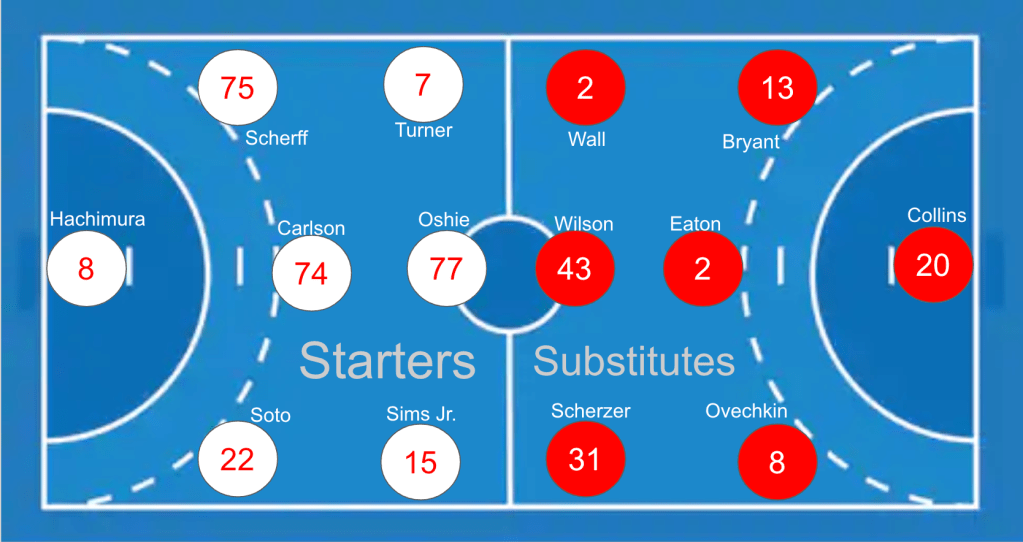
Handball fields seven players on the court at once — a goalkeeper, right/left backs, a center, two wingers and a circle runner/pivot — for each side. In forming this team, I will assign seven starting positions, along with a bench of seven substitutes, as handball includes on-the-fly substitutions, much like ice hockey.
Since I have a pool of four teams to fill 14 spots, I want to keep things somewhat even, so there has to be at least three players from each team, and no more than four from any one team. The way it works out: two teams will have three representatives each, and the other two will have four.
In addition, at least one player from each team must be in the starting lineup. I want there to be some variety.
Finally, for an added twist, I will not be placing players in the same type of position that they play normally. If we were really building this team to compete for gold at the Olympics, then Capitals goaltenders BradenHoltby and IlyaSamsonov would be the clear picks for goalkeeper on this team. That’s not as fun though, so instead I will be selecting natural non-goaltenders that display the traits you would want to see in a goalkeeper.
Same goes for the center position, which is comparable to a point guard in basketball. It would be easy to stick JohnWall or BradleyBeal into the playmaker position, so I will be picking a non-ball dominant player that still exudes strong playmaking abilities. Natural wing players cannot play on the wing, and natural center players cannot play in the center. These rules and selections are completely arbitrary, but if these restrictions were in place for a hypothetical tournament, then this squad would have the best shot to win.
Before getting into it, here are the roles and some general traits required for each position:
Goalkeeper – defends the goal, can use any part of body; requires good reaction speed/hand-eye coordination, length, core strength
Left/right backs – block shots, help attack from far away; requires large size, good bounce, long-range throwing power
Center – coordinates the attack, helps defend; requires versatility in attacking and defending, playmaking skills, court vision
Left/right wingers – counter opposing wings, attack from tighter angles; requires speed, accurate arms, court vision
Circle runner/pivot – central attacker, tries to mess up opponent’s defense; requires speed, aggression, good passing/shooting ability, playmaking ability
Starting lineup:
Goalkeeper: Rui Hachimura (Wizards forward)
Photo Credit: Pinterest
The Japanese rookie is listed at 6’8″ with a 7’2″ wingspan, so his length is off the charts, and will serve him well for saves where he needs to extend himself. He’s young with an extremely athletic frame, and as a good rebounder in basketball, he should have little trouble securing loose balls.
Hachimura also played catcher in baseball as a youth, so he at least has some experience corralling balls launched at high speeds.
Right back: Juan Soto (Nationals outfielder)
Left back: Brandon Scherff (Redskins guard)
Soto packs a lot of power into a 6’1″, 220-pound frame. He certainly doesn’t pose as big of an obstacle as Scherff, but as a Gold Glove nominee in 2019, he flashes potential on the defensive end of the handball court. His biggest calling card will be long-range attacking.
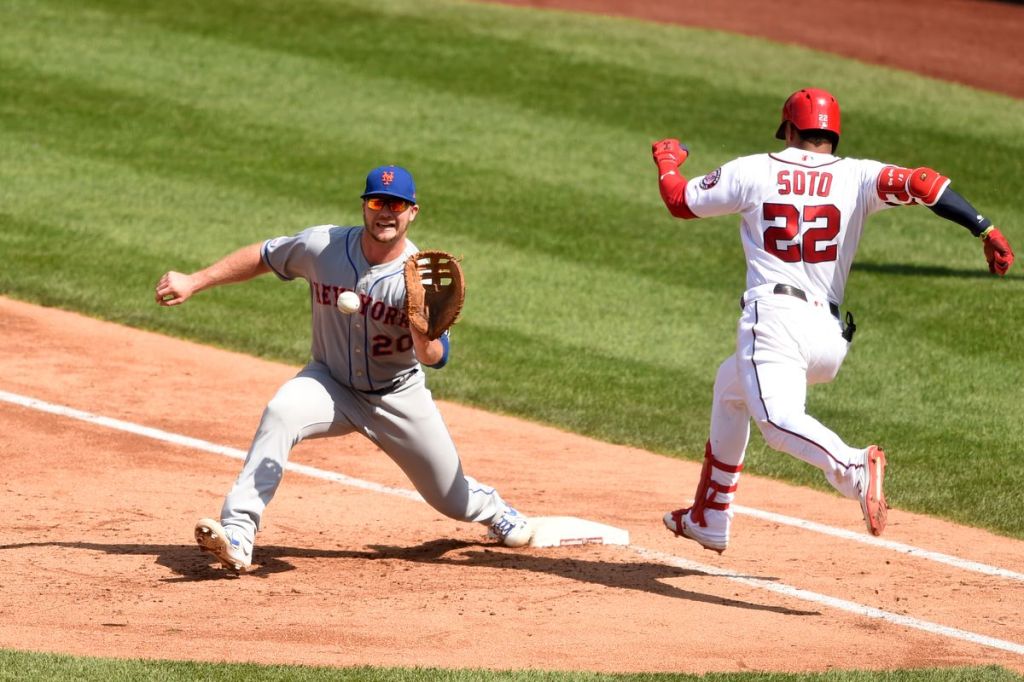
This putout from the 2019 World Series showcases his impressive arm strength and accuracy from long range, and those skills would be major assets to the handball team.
As evidenced in the video, Soto would be a scoring threat from practically anywhere on the court. In handball, if the outside player is left-handed, they typically play on the right, and vice versa, so the left-handed Soto would occupy right back, even though he plays left field in baseball.
Scherff, meanwhile, is one of the biggest players to choose from at 6’5″, 315 pounds. A player his size will be a nightmare for opposing players to shoot around, but he is also incredibly athletic. He ran a 5.05 40-yard dash as a draft prospect, and he also has a 32.5″ vertical jump. Defenders need to jump high in order to shoot over the other team’s defenders from long distances.
Not to mention, offensive linemen, despite their name, play a defensive-natured position: protecting the quarterback and fending off opposing rushers. Scherff should feel right at home, swapping out protecting the quarterback for defending the goal.
Center: John Carlson (Capitals defenseman)
Carlson is natural defenseman, so he’ll be able to help out the right and left backs, but one of his biggest strengths in hockey is his offensive ability. This season he led all defensemen in points (75) and assists (60). For the Capitals’ power play, Carlson mans the point position, finding the best passing lanes while sometimes launching slap shots himself, so he does have experience in a playmaking role.
Right wing: Steven Sims Jr. (Redskins wide receiver/return specialist)
Left wing: Trea Turner (Nationals shortstop)
Photo Credit: Nick Wass/AP
Sims would be one of the smaller players on the roster, but boy can he fly. He ran a 4.30 40-yard dash at his Pro Day, and as rookie last season, dusted opponents on returns. His role is only going to increase with the Redskins, but for this handball team, Sims would be a star from Day 1.
The only question would be his ability to shoot from tight angles, but at the very least you’ll know any passes coming his way won’t be dropped. In addition, his role as a return man forces him to find the gaps and make quick decisions, which should serve him well with court vision.
As good as Sims is, the most obvious choice for the wing position would be Turner. As one of the fastest players in baseball, Turner and his speed on the base paths would translate well to the handball court. Defensively, he is responsible for snagging grounders and throwing runners out on the dime, so his ability to make strong, accurate throws would be perfect for the tight angle shots.
Circle runner/pivot: TJ Oshie (Capitals winger)
Photo Credit: Gary A. Vasquez/USA Today Sports
Oshie brings 110 percent effort to every shift he plays, and as a crafty offensive mind in the NHL, he is used to setting up teammates as well as taking on a whole defense himself. He’ll be the engine in offense, and as a forward who always wears out opponents on the boards, he should also be a real pest for opposing defenses.
Substitutes:
Goalkeeper: Landon Collins (Redskins safety)
Used to being the last line of defense
Jumps to break up passes in NFL, will need similar skillset in net
Question mark: length
Right back: Thomas Bryant (Wizards center)
6’10” in height, 7’6″ wingspan; able to stretch out to block incoming shots
Great jumping ability
Rim protection instincts will serve him well
Question mark: long-range shooting
Left back: Alex Ovechkin (Capitals winger)
Big body, willing shot-blocker
One of the best slap shots of all time = lethal from long-range
Question mark: staying in position (he’s a natural goal scorer, will the temptation of offense be too much?)
Center: Adam Eaton (Nationals outfielder)
Vocal leader, able to call shots
Talented on offense and defense
Question mark: court vision
Right wing: John Wall (Wizards guard)
One of the fastest players in basketball (pre-Achilles injury)
Great handles for dribbling, talented passer
Natural scorer
Question mark: health
Left wing: Max Scherzer (Nationals pitcher)
Accurate arm for tight shooting angles
Fast, hard shots (tops out at 96.5 mph fastball)
Killer instinct; brings intensity on defense
Question mark: speed
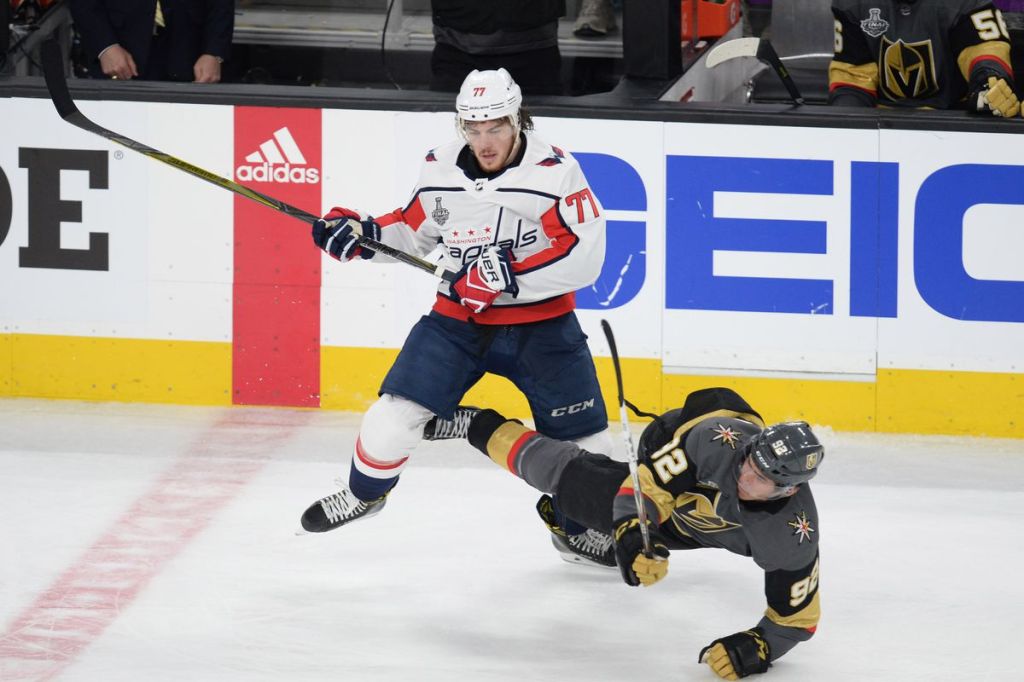
Circle runner/pivot: Tom Wilson (Capitals forward)




 The Wildcard