Looking at the ‘Black Aces’ for Capitals’ playoff run

The Capitals recently announced their 34-man roster for the NHL return consisting of 20 forwards, 10 defensemen and four goaltenders. Postseason rosters are expanded every year, but this year we’ll be seeing even more reserve players than usual.

Well, scratch that. We won’t really be seeing much of these extra players, unless things go horribly wrong with the usual NHLers. Instead these players will be getting experience in practicing with the parent club. For the younger prospects just a few years away from regular time in the NHL, it’s a great developmental step.

It will be the full-time players taking the ice to try and win the Cup, but if any one of them goes down, whether it be an injury, COVID-related absence or otherwise, the 12 “Black Aces” will step up. It has happened before.

In Game 6 of the 2018 Second Round against the Pittsburgh Penguins, Nicklas Backstrom sat out with an injury and Tom Wilson was suspended. In turn, Travis Boyd and Nathan Walker laced up and contributed to one of the biggest playoff wins in the Alex Ovechkin era. Walker even became the first Australian to tally a point in the postseason when he assisted Alex Chiasson’s goal in the second period. Point is, you never know when and if these extra players will get a chance to step up.

“Black Ace” is the name assigned to these extra players brought on for the playoff run, and this year they are almost exclusively from the Hershey Bears, the team’s AHL affiliate, but there is one notable exception. I’ve compiled some background information for all 12 players below, so you’ll be able to know a thing or two about these Black Aces should they be activated for game action.

Important note: These are the Phase 3 rosters, where the team is allowed 30 skaters and an unlimited amount of goalies. The rosters will be trimmed to 28 skaters and 31 total players by the time the team goes to Toronto, so a few of the players below will not remain with the team through the playoffs.

Forwards

#63 Shane Gersich, LW

Profile:

  • Age: 24
  • Acquired: 5th round, 134th overall in 2014 Entry Draft
  • NHL career stats: 3 GP, 0g-1a-1p
  • Primary team for 2019-20: Hershey Bears (AHL)
  • 2019-20 AHL stats: 54 GP, 10g-8a-18p

Gersich played in three regular season games during the 2017-18 season, plus two postseason games in the team’s Stanley Cup run. After a three year career at the University at North Dakota, Gersich immediately joined the team for the playoffs and just a few months later, became a Stanley Cup champion. Quite a start to an NHL career.

Since then, Gersich has been holding down a role with the Bears, and his 18 points this season were 12th-most on the team this season. He has not appeared on the NHL level since 2018.

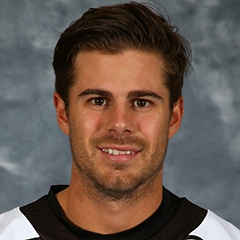
#16 Philippe Maillet, C
Profile:

  • Age: 27
  • Acquired: 2019 Free Agency
  • NHL career stats: 0 GP
  • Primary team for 2019-20: Hershey Bears (AHL)
  • 2019-20 AHL stats: 61 GP, 17g-27a-44p

Maillet has not appeared in the NHL, but the Montreal native has made a major impact for the Bears in his first year with the organization. His 44 points led the team this season, and was tied for 30th across the AHL. After four years with the University of New Brunswick, Maillet went undrafted in the NHL Entry Draft and was signed by the AHL’s Ontario Reign in 2017.

In 140 games with the Reign across just over two seasons, Maillet scored 94 points, including 54 (16g, 38a) last season. Given his age and production this past season, Maillet could be a surprise candidate to take the ice in the event of an injury, but with no NHL experience, he could just as well be left behind.

#47 Beck Malenstyn, LW

Profile:

  • Age: 22
  • Acquired: 5th round, 145th overall in 2016 Entry Draft
  • NHL career stats: 3 GP, 0g-0a-0p
  • Primary team for 2019-20: Hershey Bears (AHL)
  • 2019-20 AHL stats: 46 GP, 7g-8a-15p

Malenstyn made his NHL debut in November, but didn’t get on the scoresheet in three games. Despite scoring just 15 points this season, Malenstyn was making great progress. A season ago, he totaled 16 points in 74 games, so he was in position to notch a new career-high had the season not been suspended.

At 6’3″, 200 pounds, Malenstyn is one of the bigger bodies on the roster. He should be able to hold his own during practices from a physical standpoint, so it’ll be interesting to see how he can utilize the opportunity. He won’t earn a full-time role from this training camp alone, but his performance for the Bears next season could be huge for his career.

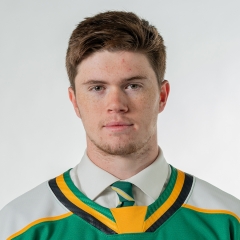
#24 Connor McMichael, C
Profile:

  • Age: 19
  • Acquired: 1st round, 25th overall in 2019 Entry Draft
  • NHL career stats: 0 GP
  • Primary team for 2019-20: London Knights (OHL)
  • 2019-20 OHL stats: 52 GP, 47g-55a-102p

At just 19 years old, McMichael is the most exciting prospect in the Capitals organization, and a spot in training camp will be great for him. He absolutely lit it up in the OHL with the Knights; his 102 points were third-most in the OHL. Drafted just over a year ago, McMichael hasn’t had a chance to make his NHL debut, but he shouldn’t be rushed.

With most of the team’s offensive core aging into their 30s, McMichael will be needed a few years down the line to replenish the scoring depth. For now, fans can just hope this experience will aid in his continuing development.

#40 Garrett Pilon, C
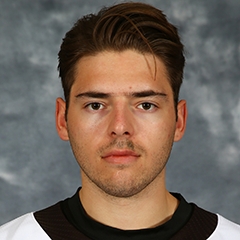
Profile:

  • Age: 22
  • Acquired: 3rd round, 87th overall in 2016 Entry Draft
  • NHL career stats: 0 GP
  • Primary team for 2019-20: Hershey Bears (AHL)
  • 2019-20 AHL stats: 61 GP, 18g-18a-36p

Pilon was fifth on the Bears in scoring this year, and the four players ahead of him were 25 or older. He’s an under-the-radar prospect that has been progressing really well. The third-round pick out of Minneola, New York upped his point production from last season in a fewer number of games and will be a name to watch in the next few years.

#64 Brian Pinho, C

Profile:

  • Age: 25
  • Acquired: 6th round, 174th overall in 2013 Entry Draft
  • NHL career stats: 0 GP
  • Primary team for 2019-20: Hershey Bears (AHL)
  • 2019-20 AHL stats: 62 GP, 20g-17a-37p

Pinho had an incredible four-year career with Providence College, winning the 2015 national championship as a freshman. He served as an assistant captain during his junior season and wore the ‘C’ as a senior. 2018-19 marked his first year with Hershey, where he totaled just 12 points (4g, 8a) in 73 games, but he took a major step forward this year.

The former All-Hockey East Third Teamer finished fourth on the team with 37 points. He profiles more as a career AHLer, but he may get a few cracks at the top level, especially if he impresses in camp.

#10 Daniel Sprong, RW
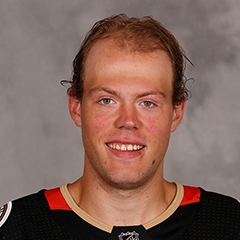
Profile:

  • Age: 23
  • Acquired: Trade in 2020
  • NHL career stats: 97 GP, 19g-11a-30p
  • Primary team for 2019-20: San Diego Gulls (AHL)
  • 2019-20 AHL stats: 44 GP, 12g-21a-33p (between San Diego and Hershey)

Sprong has the most NHL experience of anyone on this list by far. After being drafted by the Pittsburgh Penguins 46th overall in 2015, Sprong bounced back and forth between Pittsburgh and Wilkes-Barre/Scranton, their AHL affiliate, before getting traded to the Anaheim Ducks in 2018.

Sprong played 63 NHL games in the 2018-19 season between Pittsburgh and Anaheim, totaling 14 goals and nine assists. He was waived prior to the 2019-20 season, and after going unclaimed was sent down to Anaheim’s AHL affiliate in San Diego.

The Ducks traded Sprong to Washington at the 2020 trade deadline in exchange for defenseman Christian Djoos. Sprong played just six games in Hershey, scoring six points (1g, 5a). At 23 years old, he still has a chance to become an NHL regular again, but the Caps are much deeper at forward than Anaheim was.

Defensemen

#27 Alexander Alexeyev, LD
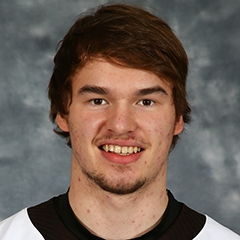
Profile:

  • Age: 20
  • Acquired: 1st round, 31st overall in 2018 Entry Draft
  • NHL career stats: 0 GP
  • Primary team for 2019-20: Hershey Bears (AHL)
  • 2019-20 AHL stats: 58 GP, 3g-18a-21p

Alexeyev was the team’s first draft pick after winning the Stanley Cup, and his presence on the roster hypothetically allows the Capitals to skate a line with a Russian at every position:

LW Ovechkin, C Evgeny Kuznetsov, RW Ilya Kovalchuk, D Dmitry Orlov, D Alexeyev, G Ilya Samsonov

This won’t happen, but Alexeyev will hope to be the next of his countrymen to do great things for the franchise. This season marked his first in Hershey, where he finished second on the team in points among defensemen. He spent the three prior seasons with the Red Deer Rebels in the Western Hockey League, where he increased his point production every season.

We may not see him in action this summer, but he is right on track to being a full-time NHLer in the coming years.

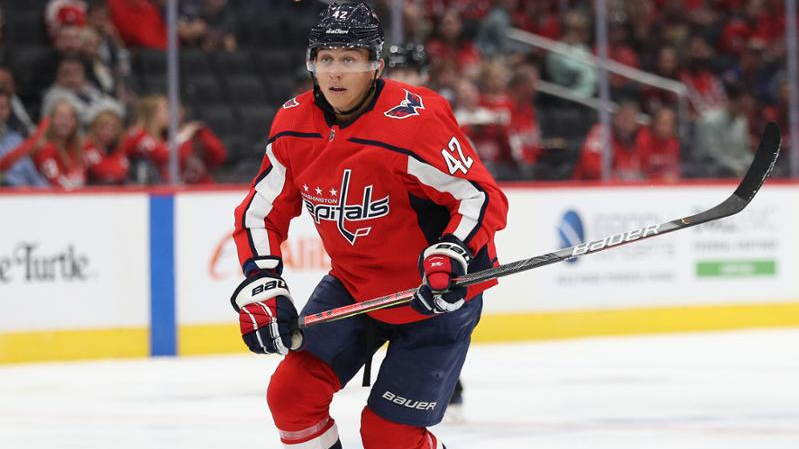
#42 Martin Fehervary, LD
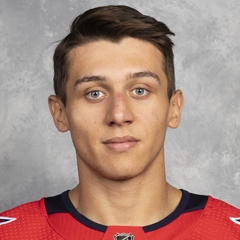
Profile:

  • Age: 20
  • Acquired: 2nd round, 46th overall in 2018 Entry Draft
  • NHL career stats: 6 GP, 0g-1a-1p
  • Primary team for 2019-20: Hershey Bears (AHL)
  • 2019-20 AHL stats: 56 GP, 4g-10a-14p

The Slovak blueliner was drafted just 15 picks after Alexeyev and brings similar upside. Fehervary already dipped his toes in the NHL waters, appearing in six games this year. He played the first three games of the season in early October with Michal Kempny still recovering from hamstring surgery, then was recalled for three more games in early February.

After spending the brunt of his playing career in Sweden, this year marked Fehervary’s first in North America. Already a mainstay in the Bears’ lineup, Fehervary could see some playing time this summer if the team’s defensive struggles carry over. Though he’s a left-shot defenseman by trade, Fehervary has experience at both sides on defense. He’s definitely a player to look out for, if not this summer, then in 2020-21 preseason training camp.

#78 Tyler Lewington, RD
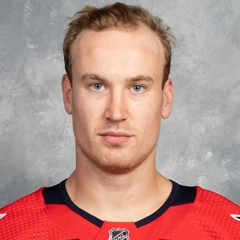
Profile:

  • Age: 25
  • Acquired: 7th round, 204th overall in 2013 Entry Draft
  • NHL career stats: 8 GP, 1g-1a-2p
  • Primary team for 2019-20: Hershey Bears (AHL)
  • 2019-20 AHL stats: 43 GP, 4g-9a-13p

Lewington does not have much NHL experience, but he made a real splash upon arrival in 2018-19. In his second career game, on Dec. 29, 2018 against the Ottawa Senators, Lewington recorded a Gordie Howe hat trick (a goal, assist and fight in the same game). All three were firsts in Lewington’s NHL career, and the goal and assist are still his only NHL points.

That eventful night against Ottawa was his last NHL game of 2018-19, but he appeared in six games this past season. He has been playing with Hershey since 2015-16, and after averaging just over 14 points a season over the past three years, Lewington nearly matched that total in 22 fewer games played than last year. Already a proven depth option on the blue line, it wouldn’t be surprising to see Lewington slip into the bottom pair if necessary.

Goaltenders

#1 Pheonix Copley, G
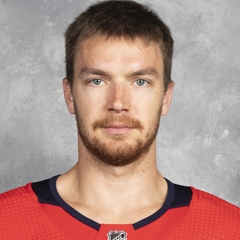
Profile:

  • Age: 28
  • Acquired: Trade in 2017
  • NHL career stats: 29 GP, 25 GS, 16-8-3, 2.98 GAA, .901 SV%
  • Primary team for 2019-20: Hershey Bears (AHL)
  • 2019-20 AHL stats: 31 GP, 17-8-6, 2.47 GAA, .905 SV%

Copley served as Braden Holtby’s backup with the parent club during the 2018-19 season, recording 16 wins in 24 starts and posting a respectable 2.90 goals against average and .905 save percentage. His demotion back to Hershey had more to do with the team’s salary cap situation and the emergence of Samsonov, who had a lower cap hit and was in need of NHL reps.

Copley split time in the crease with Vitek Vanecek in Hershey this season, and his year in the NHL helped his AHL performance dramatically. After going 15-17-6 with a 2.91 GAA and .896 save percentage in 2017-18, Copley put up much stronger numbers this season. Teams bring a third goaltender for the playoffs even in normal years, so when you take into account his NHL experience, expect Copley to stick around.

#41 Vitek Vanecek, G

Profile:

  • Age: 24
  • Acquired: 2nd round, 39th overall in 2014 Entry Draft
  • NHL career stats: 0 GP
  • Primary team for 2019-20: Hershey Bears (AHL)
  • 2019-20 AHL stats: 31 GP, 19-10-1, 2.26 GAA, .917 SV%

Vanecek is a great fourth goaltender to have, but if the team is forced to bring just three to Toronto, he may be the odd man out. That said, his numbers were better than Copley’s this year; his goals against average was fifth-best in the AHL this season, and his save percentage was 10th.

Vanecek will most likely remain an AHL-level starter with stretches of backing up at the NHL level, but he looks like a great long term depth option for the franchise. If the team strongly prioritizes this year’s performance, Vanecek may be brought along, but given the unpredictability of this year’s playoffs, the Caps will probably want someone with a solid amount of NHL experience as the third-string, and Copley checks that box.

Player headshots from Hershey Bears, OHL

Cover Photo Credit: NHL.com
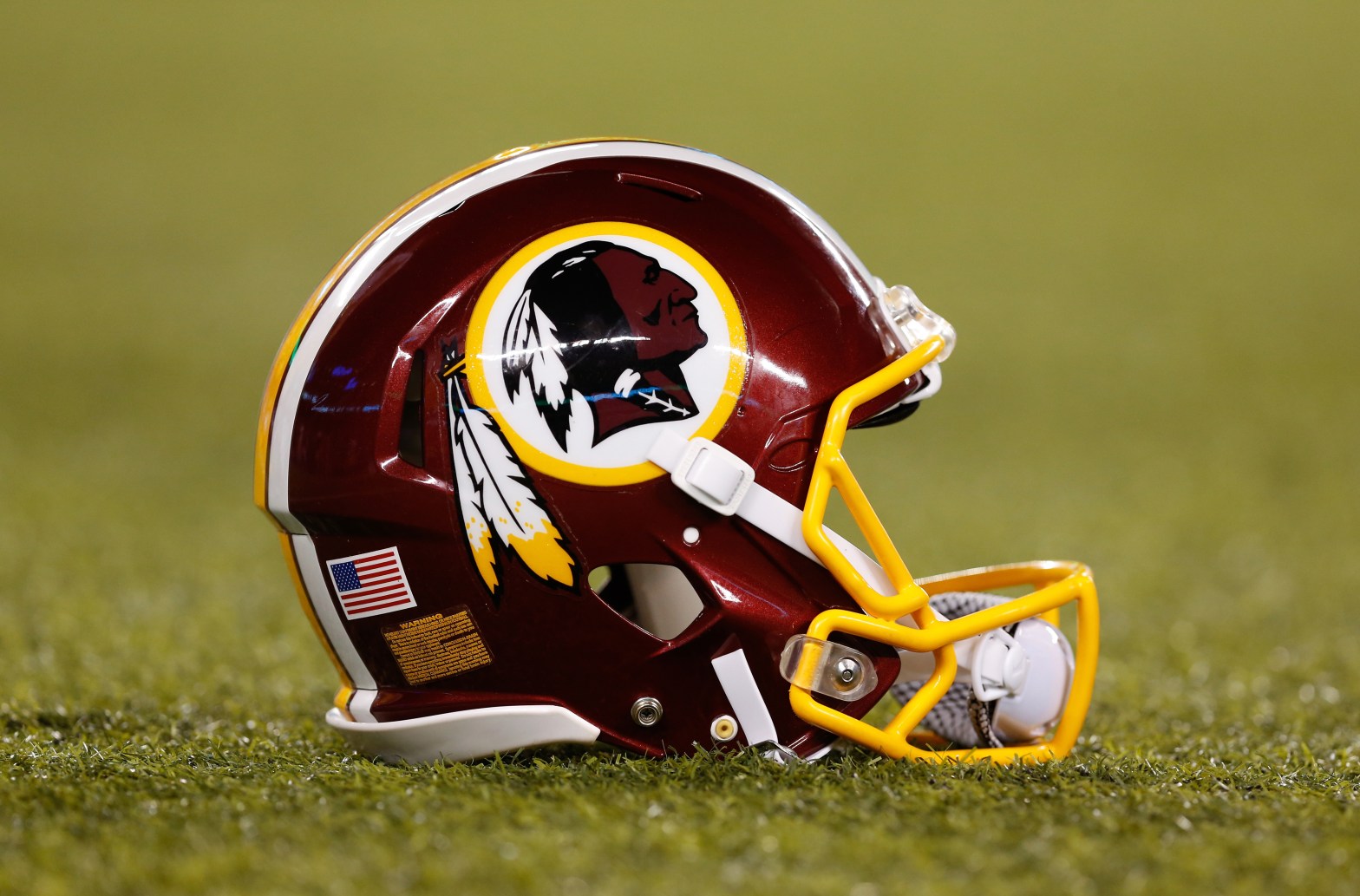
A eulogy for the Washington Redskins

After years of controversy surrounding the Washington Redskins, the name has officially been left in the rearview. The name used since the early championships from the Sammy Baugh era to the Super Bowl teams led by Joe Gibbs is now exactly what those moments are: history. It’s a new chapter for Washington football, and after 83 years as the Redskins (87 if you count the years in Boston), the Washington NFL team will go by a different name that’s yet to be determined.

Redskins purists are angry; while the phrase is a derogatory term for Native Americans, most fans (myself included) associate the term more with the football team. The movement for a name change, while building for years, didn’t gain any real traction until just a couple weeks ago. The rug has been swept from underneath them. That name is attached to championships, all-time great players and spending Sundays with your family decked in burgundy and gold.

I recognize all of that, and while it’s the name I grew up with, I understand it was due for change. Maybe it’s because I can’t associate the name with any actual success, since the team hasn’t amounted to anything in my 19-year lifetime, but it’s the team I supported regardless, and the fact that the name of my favorite football team since childhood is changing has not yet sunk in for me.

I still have plenty of fond memories of the Redskins of my childhood, like watching my favorite player, Clinton Portis, dash around the field before wearing goofy costumes in the locker room press conferences. I remember Sean Taylor laying out hits before a tragedy ended his life far too soon.

I remember Robert Griffin III torching the Minnesota Vikings defense on a 76-yard touchdown run, giving me and countless other fans hope that the team could one day soon, for the first time in my life, compete for a Super Bowl. His knees had other plans.

I also remember the blowouts, like the Monday Night massacre in 2010, where the rival Philadelphia Eagles took a 28-0 first quarter lead before winning the game 59-28. I also remember the seemingly countless years where the season was over by October. I remember Alex Smith, the veteran quarterback helming a 6-3 start to the 2018 season, having his career (likely) ended in an injury that parallels Joe Theismann’s in a freaky number of ways.

Those moments will all be a part of the franchise’s history. Just because the name will be changed, that doesn’t mean they’re wiped from the books. I still remember them (as much as I’d like to forget some) and I will for a long time. Now is just a new chapter.

Some fans have claimed they will stop supporting the team now that the name has changed. To them I say, ‘good riddance.’ If you stayed on board for the past 20 years of futility, but only now jump ship because of a name change, then… I don’t even know what to say, that just baffles me. It’s one thing to disagree with the name change, but walking away because of it just seems childish.

I support this team because they represent the city I was born in and the metropolitan area in which I was raised. Regardless of what the name is, I will continue to support this team. I’ve witnessed no real success in supporting them for 19 years, but I can’t just switch to another team. It would be easier if I could, but I can’t just abandon this fandom I’ve cultivated over my whole life.

I’ve never understood those who just pick a random team from a different city to root for. I’m from Washington, this is Washington’s team, therefore it is my team. I still appreciate and root for great players from other teams; I was a fan of Adrian Peterson for years before he joined the Redskins, but I don’t care if the Vikings win or lose.

No matter how dismal the seasons got for the Redskins, no matter how sickening and irritating it is to have Dan Snyder as the team owner, no matter how many jokes get thrown my way about the incompetence of the “Deadskins,” it doesn’t matter. I’m stuck with them, for better or worse, and a name change isn’t gonna end that.

I don’t know when the “better” will come. Ron Rivera is a two-time Coach of the Year. Defensive Coordinator Jack Del Rio took the Oakland Raiders to the playoffs in 2016. The recent No. 2 overall pick Chase Young has the potential to be a game-wrecker. If Dwayne Haskins can improve and more pieces are added, maybe things will get better. I know better than to get my hopes up just yet.

Whether I like the new name or not, I don’t foresee myself buying any new merchandise. While I will always support the team as a fan, I have already stopped supporting the team financially so long as Snyder is the owner. Maybe I’ll buy a bootleg t-shirt if the quality is decent. We’ll see how it goes.

As I mentioned in an earlier post, I’m hoping the name is the ‘Redwolves,’ but I would settle for ‘Redtails’ or ‘Warriors.’ I don’t know how long the wait will be until the new name is revealed, but July 12, 2020 will go down as the last day of the Washington Redskins. Fans opposed to the change may continue to refer to the team as the Redskins, but much like when the ‘Bullets’ changed to the ‘Wizards,’ the new name will wear itself in someday.

A new name won’t change the state of the franchise, but hopefully change will come. For one last time, Hail to the Redskins.

Cover Photo Credit: Aaron M. Sprecher/AP

Assessing the new name ideas for the Redskins

Back in January, I put together a proposal for a new name for the Redskins. Seven months later, the team has come under fire, receiving intense pressure from sponsors and business partners to change the name. The team has gone by the ‘Redskins’ since 1937, meaning one of the league’s oldest franchises/brands will likely be gone by the 2020 or 2021 season.

With the speculation surrounding the name change, fans and media personnel have floated out suggestions for what the new moniker should be. My suggestion, ‘Red Storm,’ has not had any traction in public circles. That’s fine. Of the ones I have seen most, there are several strong options that I would be fine with. There are also a lot that are terrible.

Frankly, any option will take awhile to get used to. No matter what name they choose, a large number of people will be unhappy, and that’s not even counting those rejecting the name change as a whole. Since the decision ultimately rests with owner Dan Snyder, I anticipate one of the worst options will be chosen.

Some of the name choices would retain a connection with Native Americans, but use a more positive word, while others take a completely different direction. Here are my opinions on some of the most popular suggestions:

Warriors

There have been many fan mock-ups for a rebrand, but this one has the most similar look to the current Redskins uniform

This has been a popular suggestion for a long time; the team could retain its association with Native Americans in a more positive light, but they could also use it in a more general sense, applying it to the military or otherwise.

It’s a good enough name. There’s already the Golden State Warriors in the NBA, so there’s evidence that the name wouldn’t be problematic for a major American sports team. It’s also one of the few names being considered that wouldn’t sound like a name for an XFL team.

At the same time, it’s not super creative. The team has a chance to really make an upgrade, and settling for Warriors would prevent a new name coming to light. It’s the simplest choice, and very well could become the new name, but there are definitely more creative options.

Redtails

The ‘Redtails’ pays homage to the Tuskegee Airmen of World War II, a squadron of African-American and Caribbean-born fighter pilots and bombers. The name refers to the red tails of their jets. Tuskegee is in Alabama, so there is not really any regional significance, but with Washington being the nation’s capital (with the Department of Defense) and coach Ron Rivera wanting to honor the U.S. military, it still fits.

It would also allow the team to maintain the ‘HTTR’ slogan, something that wouldn’t work with the ‘Warriors.’ The league already has the New York Jets, so a plane-related team isn’t uncalled for, but that may not be the best franchise to model after, given their track record. Although I guess the Redskins aren’t much different.

It’s unique, it allows the team to keep its beloved burgundy and gold color scheme, and it honors an important group of men in American history instead of dehumanizing a group of people that the country displaced. This is definitely one of the stronger ones.

Generals

PFT Commenter, the Pardon My Take co-host and a Washington sports fan, made a good point related to the name ‘Generals’

Another military-related name, except it’s much more, uh, general (pun not intended). The name ‘Washington Generals’ has already been used for decades by the opponents (and victims of defeat) of the world-famous Harlem Globetrotters. This name would really be leaning into the Redskins’ performance over the past 20 years.

The team really doesn’t need to provide the league any new material for ridicule; the product on the field is enough. In a vacuum, the ‘Generals’ would be a fine name to change to, but given the context, the team should probably look elsewhere.

Pigskins/Hogs

These two are fairly similar, and are certainly interesting. ‘Pigskins’ is a nickname for a football, despite modern footballs being made out of leather, and it would be a way for the team to keep its shorthand nickname of the ‘Skins.’ The ‘Pig-‘ part also relates to one of the most famous units in franchise history. The Hogs were the offensive line group that anchored the franchise to all three Super Bowl victories from 1982-1991.

Select fans have worn pig noses to games since the 1980s, so that would likely continue in higher numbers if the team went in this direction. Still, I think the team should stay away from this option. Having the sport’s ball as a team name is pretty weak in my opinion, and the Hogs should stand alone as the great offensive line. A few losing seasons as the ‘Washington Hogs,’ and pretty soon the legacy of the original Hogs will be tainted by the association with the new team name.

Americans/Presidents/Senators

These are all similar to the ‘Generals,’ but none are nearly as good. The ‘Senators’ would be fine, but we’ve seen them come and go twice in baseball. It’s just not fresh, and the team could do better.

However I would take ‘Senators’ over ‘Americans’ and ‘Presidents.’ The name ‘Americans’ would likely prompt the color scheme to change to red, white and blue, which would be cool in terms of matching the rest of the city’s teams, but would also kill the burgundy and gold. That’s a non-starter on my end. Even if they kept the color scheme, ‘Washington Americans,’ just doesn’t have a good ring to it.

But the worst of three is probably the ‘Presidents,’ and that has nothing to do with the one currently in office. While the name fits the city well, that’s about all it fits.

The ‘Washington Presidents’ just doesn’t roll off the tongue. It just isn’t a cool name either, unlike the ‘Kings,’ which is a shorter word that has a royal flair to it. You can incorporate crowns and lions easily with ‘Kings,’ as both the Los Angeles and Sacramento teams do. What can you incorporate for ‘Presidents?’ A dude in a suit? Mount Rushmore, which has its own controversy related to Native Americans? An executive order sheet? There’s nothing good to represent it.

Politics aside, the ‘Presidents’ is just not a good name for a team.

Redhawks/RedHawks

Much like ‘Red Storm,’ the name ‘Redhawks’ has been used to replace names like ‘Redskins’ and ‘Redmen’ at the high school and collegiate levels. This name would add yet another bird team to the NFL, joining the five existing ones, which includes the two teams closest to Washington geographically (the Baltimore Ravens and Philadelphia Eagles).

It would also add a second ‘Hawk’ team, which may encroach on Seahawks quarterback Russell Wilson’s signature press conference sign-off of “Go Hawks.” A player catchphrase shouldn’t have any weight in this decision, but with so many bird teams already in the NFL, it would be better if the team went in a more unique direction. It’s not the worst name out there, but it’s not the best either.

Washington FC

Check the date; this guy was ahead of his time… but I still hate the name.

While many new names have been floated around, some have suggested simply renaming the team ‘Washington Football Club’ or ‘Washington FC.’ This is a horrendous idea.

Names like that are common in soccer, or the “real” football for those around the world, and that’s perfectly fine. However, in a sport like American football, in a league where every team has its own distinct team name and mascot, changing the name to ‘Washington FC’ would be the blandest, least creative cop out.

I’m not anti-soccer, but to become the only team in the league without a real team name would be odd. It just doesn’t fit the sport, and I don’t see the appeal from a branding/marketing standpoint.

Redwolves/RedWolves

I think the Wolf ‘R’ is ugly, but a lot of other people seem to like it. Either way, the ‘Redwolves’ name can lead to so many cool jersey/logo designs.

This name has gained a lot of traction recently, with current and former players expressing interest in it, and I have also hopped on the bandwagon. Looking at all factors, it would be a terrific replacement.

The Red wolf itself is native to the southeastern United States, and the ‘Red Wolf’ name holds a special significance to the US military, as it was the nickname for a Navy Reserve helicopter squadron. That part isn’t crucial to me, but if it’s necessary for Rivera and Snyder, then it at least checks that box.

As mentioned, the team has multiple bird teams, and a handful of cat teams, but the ‘Redwolves’ would become the first dog team in the NFL (or the second if you count the Cleveland Browns, whose mascot is a dog and whose fan section is referred to as the “Dawg Pound”). It allows the team to keep its color scheme and ‘HTTR’ while also providing enough of a rebrand to create a new culture.

For me, it’s the best option, and I hope to be able to root for the Redwolves soon.

My Rankings

Not that my opinion will matter in the grand scheme of things, but this is how I rank the possible replacements listed here:

  1. Redwolves
  2. Redtails
  3. Warriors
  4. Redhawks
  5. Senators
  6. Pigskins
  7. Hogs
  8. Americans
  9. Generals
  10. Presidents
  11. Washington FC

I’d say there’s a big drop-off for me after ‘Warriors,’ and an even bigger gap between ‘Redhawks’ and ‘Senators,’ but with the new name possibly coming in just a few days, I’m both nervous and excited to see which name gets picked. Comment below which name you prefer, even if I didn’t talk about it on this list.

Cover Photo Credit: G Fiume/Getty Images

Beal opts out of NBA restart, playoff chances go from slim to none

A little over a week ago, I broke down the Wizards’ chances of making the playoffs once the league restarts. With multiple key players on the Brooklyn Nets, a team just ahead of the Wizards in the standings, considering skipping the restart, the door appeared to be open for the Wizards to jump ahead.

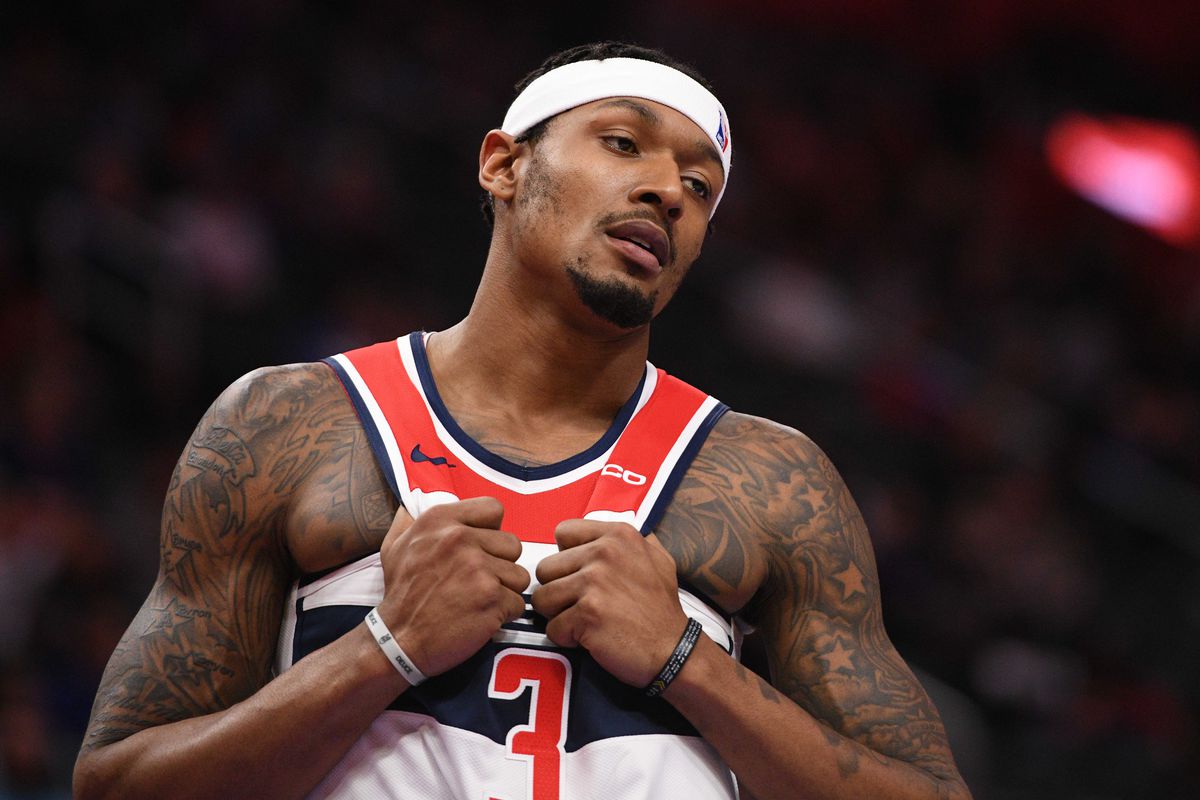
However with sharpshooting forward Dāvis Bertāns already sitting out, and star guard Bradley Beal just announcing his absence today, the defensively troubled Wizards will be without their top two scorers when NBA action resumes.

The odds of making the playoffs with Beal were slim, but take him out of the equation, and any chance goes out the window. The team would really only be playing for a first-round matchup with the league-best Milwaukee Bucks and presumptive MVP Giannis Antetokounmpo, so it’s not as if there was much at stake, but it’s still disappointing that the biggest star on the team won’t make a return.

As is the case with every player opting out, you can’t blame him. Beal has two young children at home, and with the Wizards far out of contention, he likely wouldn’t want to risk injury or sickness. He did travel to Orlando with the team, but cited a shoulder injury as the reason for not playing.

With Beal gone, 2018 lottery pick Troy Brown Jr. will likely elevate to the starting two-guard spot. Beal was averaging 30.5 points and 6.1 assists per game; Brown was putting up 9.7 points and 2.3 assists. Beal and Bertāns combined for 45.9 points per game, and now neither will take part in the restart.

Perhaps Beal’s exit will lead to others on the team sitting out as well. On the other hand, players who generally receive less playing time may use the restart as an opportunity to showcase their skills, but at this point, there’s really no real intrigue from a franchise standpoint. Perhaps we could get more looks at young up-and-comers like Rui Hachimura, Thomas Bryant and Moritz Wagner, but how much will eight games after a lengthy layoff really show us?

Now, focus will be squarely on the draft lottery. This year’s prospect pool contains a lot of question marks and practically no prized target. Last year, Zion Williamson and Ja Morant were both obvious game-changing prospects any team could build around, and both have shown early signs of greatness in their rookie seasons.

There are no such players this year, but so much uncertainty could result in a future star slipping to the Wizards, much like 2013, where the Cleveland Cavaliers took UNLV’s Anthony Bennett first overall — a confusing choice even at the time — while the relatively unknown Antetokounmpo slipped to Milwaukee at 15th.

More draft talk will come as specifics become clearer, and the Wizards could really use help anywhere, but for now, the team will likely slog through eight games in Orlando before packing things in and focusing on 2020-21, where the results of John Wall’s return could determine whether the team will be ready to compete for a playoff spot again.

Cover Photo Credit: Tim Fuller/USA Today Sports

Zimmerman, Ross first to opt out of 2020 season

The Nats will open the 2020 season on July 23 against the New York Yankees and their prized free agent acquisition Gerrit Cole, the 2019 AL Cy Young runner-up whom the Nats defeated in the World Series back in October while he was with the Houston Astros.

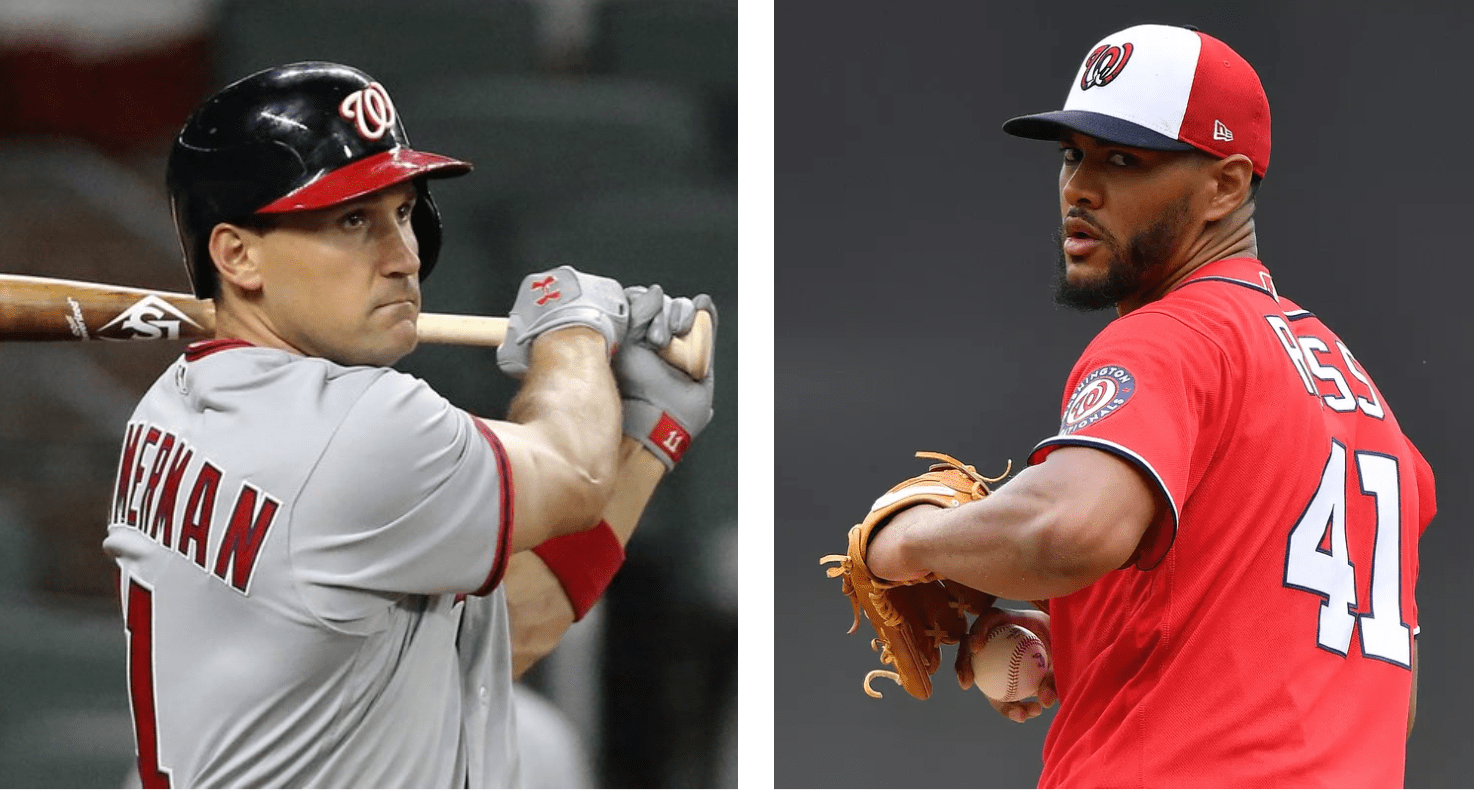
While the reigning World Series champs will be taking the field, a few key members of the team will not. First baseman Ryan Zimmerman and pitcher Joe Ross have both announced that they will not take part in the 60-game season.

The 35-year-old Zimmerman was expected to platoon at first base with free agent signing Eric Thames, while Ross was a contender to earn the fifth starting spot in the rotation. This will be the first season in team history that the Nationals will play without Zimmerman.

With a young child at home and a mother with health issues, Zimmerman felt the risk of playing wasn’t worth it. He signed a one-year/$2 million contract this offseason, which will be pushed to 2021, but it’s still entirely possible that we don’t see Zimmerman take the field ever again. He mulled over retirement this offseason, so there remains a chance that he doesn’t come back in 2021.

If that’s the case, then it would be a great story: the team’s first ever draft pick, who struggled through 90- and 100-loss seasons early in his career, then early playoff exits later on, played his final game with the only major league franchise he’s ever known in Game 7 of the World Series, walking away a champion.

If he does return in 2021, however, it will be a welcome sight. He is not an everyday starter anymore, but he proved multiple times in 2019 that he can still produce big plays at the plate and in the field. Now it appears Thames will get much more playing time at first base. Howie Kendrick is also a candidate to spend time at first, but with the National League adopting the Designated Hitter for 2020 (and possibly beyond), Kendrick is the favorite to land that role.

Thames hit 25 home runs and 61 RBI last season with the Milwaukee Brewers, and he slashed .247/.346/.505. He’s a hard-hitting lefty batter that should complement the rest of the lineup nicely, as Adam Eaton and Juan Soto were the only left-handed batters in the Nats’ regular lineup last season. Thames was already the expected starter at first, so Zimmerman’s announcement mainly affects the bench.

As mentioned, Kendrick is expected to be the DH, but if Thames goes down and Kendrick needs to slot in at first, that could open a wide range of possibilities for DH. The most intriguing option would be Carter Kieboom, the Nats’ top prospect who should be a full-time major leaguer this year. Kieboom struggled in 10 games in The Show last season, but the infielder will be vying for the starting spot at third base in 2020.

Veteran Asdrúbal Cabrera will probably start at third initially, so if the team wants Kieboom to focus on his batting without having to worry about defense, it wouldn’t be a surprise to see him slide in at DH at some point. At the same time, with just 60 games to play, these regular season games will hold higher stakes, and if Kieboom can’t figure things out at the plate, the team can’t afford to leave him out there. Besides Kieboom, outfielder Michael A. Taylor is another probable candidate to slot in at DH occasionally.

On the mound, meanwhile, Ross will be out of the running for the fifth rotation spot. Max Scherzer, Stephen Strasburg, Patrick Corbin and Aníbal Sánchez have the first four spots on lockdown, and it will now be Erick Fedde, Austin Voth and perhaps one or two dark horse candidates fighting for the last spot. Ross was probably the favorite, as he replaced the scratched Scherzer to start Game 5 of the World Series, and has a few years of experience starting in the back end of the rotation.

Fedde made 12 starts and pitched in 21 games total in 2019, posting a 4.50 ERA and 1.462 WHIP, striking out 41 batters while walking 33. Voth started eight games, playing nine total, and put up a 3.30 ERA and 1.053 WHIP while striking out 44 batters and walking just 13. Both pitchers will see their fair share of action, especially with Ross out of the picture, so they very well could end up just splitting time at the back of the rotation.

While the absence of Zimmerman and Ross are not the most crucial losses, it makes you wonder if any more players will sit out as well. It would not be surprising if Sean Doolittle, a very important piece in the bullpen, decides to opt out. His wife has a lung condition that may prompt the closer to sit. With all three of these players looking out for themselves and their families, you can’t blame them for being cautious. It just means manager Dave Martinez will have to be more creative with the personnel he can work with.

Be on the lookout over the next few weeks, as more blows could be coming for the Nationals’ chance at repeating.

Cover Photo Credit: Curtis Compton/Atlanta Journal-Constitution via AP; Mark Brown/Getty Images

Wizards’ best hope for playoff berth is Nets’ failure, not Magic’s

The NBA released the eight-game schedules for the returning teams when games restart on July 30. With all the complications that could result from restarting basketball amid the pandemic, in one of the worst states in the country to be in at this time, there’s no certainty that the rest of the season will be played out in its entirety.

For now, fans now have a look at what lies in store when NBA basketball returns. I broke down the implications of the Wizards’ supposed schedule a few weeks ago, but as predicted, the official schedule is different.

The Wizards’ eight-game schedule looks like this:

7/31 – Phoenix Suns (13th in West)

8/2 – Brooklyn Nets (7th in East)

8/3 – Indiana Pacers (5th in East)

8/5 – Philadelphia 76ers (6th in East)

8/7 – New Orleans Pelicans (10th in West)

8/9 – Oklahoma City Thunder (5th in West)

8/11 – Milwaukee Bucks (1st in East)

8/13 – Boston Celtics (3rd in East)

The green teams are those on the fence, either outside the current playoff picture or at risk of falling out over the next eight games. The orange represents those firmly in a playoff position, and the red represents top three teams in either conference. On paper, it’s a fairly balanced schedule that gets progressively more difficult.

The Wizards were initially expected to face the Celtics and Bucks twice each, so it’s at least nice to see that it’s just once each. At the same time, they make up the final two matchups of the regular season, which could make it difficult if things go down to the wire.

The Wizards open with their “easiest” opponent in the Phoenix Suns, but with everyone coming back after such a long layoff, it will be anyone’s game. The next game against Brooklyn will be even more important, as the Wizards will be in a direct playoff race with the Nets. They must finish at least two games ahead of either Brooklyn or Orlando just to force a play-in series. This may be the most important game of the eight-game slate, but more on that later.

After those two games, the Wizards will face two more lower-seeded Eastern Conference playoff teams in Philadelphia and Indiana. Those will be two tough games, assuming neither opponent loses a key player to injury or otherwise, and these may serve as “make-or-break” games depending on the results of the first two games. Both sides will simply be jockeying for a better playoff seeding, so the urgency may not be as high on their end, but motivation, or lack thereof, won’t really be an issue for any team at this point.

Fans will then get a close look at 2019 No. 1 pick Zion Williamson, who at 19 years old is already one of the league’s biggest names. Williamson spent much of his rookie season recovering from an offseason injury, but he is still a major attraction that the league will continue to showcase. His Pelicans (10th in the West) will have the most nationally televised games besides the two LA teams, who are the top two in the West.

Following the sixth game against the surprisingly strong post-Russell Westbrook Thunder will be the final two games against Milwaukee and Boston. The Wizards will have to come in hot and be able to shut down some of the league’s best players, but the absence of Dāvis Bertāns hurts.

The Wizards’ best hope may actually be a complete breakdown from either Orlando or Brooklyn. If either team has a bad record after eight games, it will be much easier for the Wizards to force a play-in tournament. It’s a lot to hope for, but let’s look at each team’s schedule:

Orlando Magic schedule:

7/31 – Brooklyn Nets (7th in East)

8/2 – Sacramento Kings (11th in West)

8/4 – Indiana Pacers (5th in East)

8/5 – Toronto Raptors (2nd in East)

8/7 – Philadelphia 76ers (6th in East)

8/9 – Boston Celtics (3rd in East)

8/11 – Brooklyn Nets (7th in East)

8/13 – New Orleans Pelicans (10th in West)

Despite the four “green matchups,” this schedule could prove difficult. We’ll get to the two matchups against the Nets later, but a fully-rested Williamson could wreak havoc against any team (which is also bad news for the Wizards). Orlando is certainly capable of winning three or four of those “green” games, and could very well pull off one or two wins in the other four games.

There will be a fair share of volatile results given the long layoff that every team will need to work themselves out of, but barring disaster, Orlando doesn’t seem like a great bet to fall apart with this schedule.

Brooklyn Nets schedule:

7/31 – Orlando Magic (8th in East)

8/2 – Washington Wizards (9th in East)

8/4 – Milwaukee Bucks (1st in East)

8/5 – Boston Celtics (3rd in East)

8/7 – Sacramento Kings (11th in West)

8/9 – LA Clippers (2nd in West)

8/11 – Orlando Magic (8th in East)

8/13 – Portland Trail Blazers (9th in West)

The Nets have five “green” games, but only one is against a team seeded lower than ninth. These could make for many close games. Like the Wizards, the Nets will face the Bucks and Celtics in back-to-back games. Throw in the Clippers two games later, and that makes for a tough middle stretch.

Going back to those two Magic-Nets games, these will have major implications for the Wizards. At a glance, it both helps and hurts the Wizards, as one of those teams is guaranteed to lose, while the other is guaranteed to win. However, if one of those teams loses both matchups, it would help the Wizards greatly, even though it would likely put the winning team out of reach.

Looking at both teams’ schedules, the Wizards should hope that the Magic win both games. The Nets will have a hard time beating Boston, Milwaukee and LA, especially if Kyrie Irving sits out, an idea the star point guard has entertained. If Brooklyn loses those three “red” games and both games against Orlando, then they have no chance of finishing above .500. The Wizards can help their own case by beating the Nets when they square off on Aug. 2. If all of that happens, the best Brooklyn would be able to finish is 2-6, meaning the Wizards would only need to finish 4-4 to force the play-in.

If Brooklyn manages to beat Orlando twice, however, then the Wizards will need Orlando to lose to at least three of their four “orange”/”red” opponents, and ideally to another “green” team as well. I think that scenario is less likely, but either outcome works for Washington, so fans should keep an eye on both games between Orlando and Brooklyn.

This is all idealistic; upsets can and will happen, so you can’t exactly mark these games down in Sharpie. However, if you’re a Wizards fan looking to cling onto any beacon of hope, then the failure of the Nets is the best option. The absence of Irving would help those chances immensely, but the Wizards will still have to hold up on their end. Finishing worse than 3-5 won’t be enough, so keep your fingers crossed as we move toward July 31.

Cover Photo Credit: Ned Dishman/NBAE via Getty Images

Which numbers should the Redskins retire next, if any?

The Redskins recently retired just the second number in franchise history the other day, meaning no other player will wear No. 49 in Washington. Bobby Mitchell received this rare honor just months after he died on Apr. 5. The star flanker once shared a backfield with the legendary Jim Brown on the Cleveland Browns before coming to Washington, where he led the league in receiving yards in each of his first two seasons with the Redskins.

Mitchell was the first Black player on the team when he joined in 1962, long after the rest of the league had integrated. With the increased activity in the Black Lives Matter movement in recent weeks, the Redskins have been making several PR moves. Mitchell retired over 50 years ago, and was well-worthy of having his number retired before then. It’s no coincidence that the decision to retire it comes now, amidst the current unrest in the nation. But I digress.

Prior to the official announcement, Mitchell’s No. 49, like several other notable numbers, had been unofficially put out of commission. Nobody had worn Joe Theismann’s No. 7 until Dwayne Haskins received permission to from Theismann himself. Adrian Peterson wore No. 28 with the Minnesota Vikings for a decade, but upon joining the Redskins was effectively barred from his normal number. No one has touched Darrell Green’s No. 28 since the Hall of Fame corner retired in 2002.

Just one player has worn No. 49 with the Redskins since Mitchell retired: Leonard Stephens, a tight end who totaled one reception for 13 yards across five games with Washington in 2002. Aside from that, Mitchell’s number has been unused.

Sammy Baugh was the only player whose number was officially retired prior to Mitchell. No. 33 revolutionized the passing game, played in the other two phases of the game (as a defensive back and punter), and won two NFL championships.

For 2020 onward, No. 33 and 49 are officially off-limits in Washington. There have been calls for the Redskins to give several other players the honor off having their numbers retired officially, and whether the franchise refuses to comply or decides to wait a fair amount of time before retiring another (no need to piggyback on the late Mitchell’s moment; it should resonate as long as it needs to), there are only a handful of numbers and players that should even be considered.

In my eyes, there are only seven other numbers that the team should even consider retiring, and that even seems like too many for my taste, but it would be difficult to pick the odd men out when it comes to this group.

To me, retiring a player’s number should be reserved for the absolute best-of-the-best, the players who made a lasting impact on the franchise. The 80 Greatest Redskins list and the Ring of Honor are there for a reason: to honor the franchise’s standout players. However it’s only the truly transcendent talents that should receive the greatest honor of all.

Numbers worthy of consideration

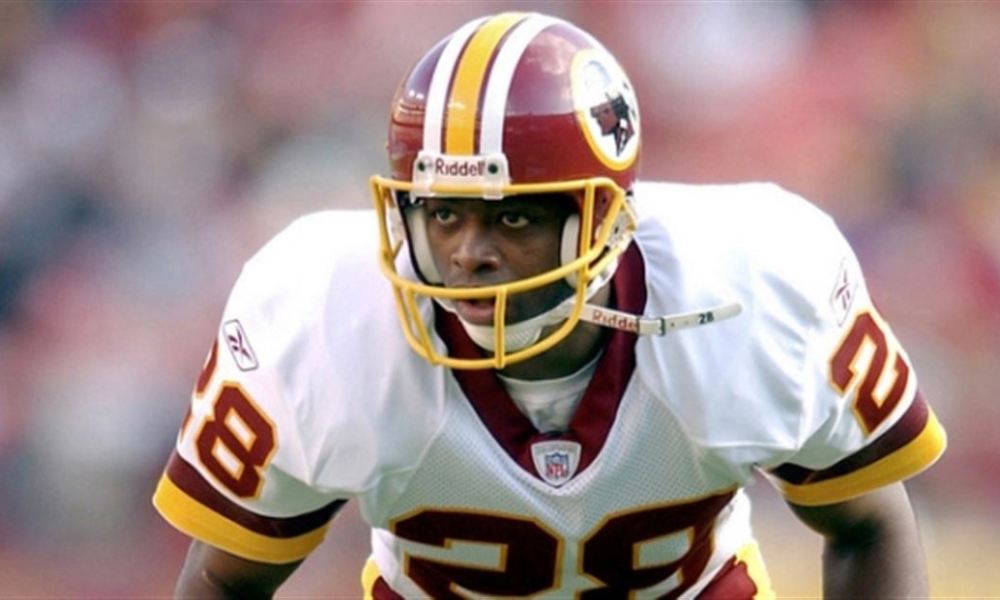
No. 28: Darrell Green, Cornerback (1983-2002)

Photo Credit: Redskins Wire

I’ve stated time and time again how Green is the greatest player in franchise history. For anyone to play in the NFL for 20 seasons is incredible. To do it as a non-quarterback is even rarer, and to remain with one franchise the entire time is just mind-boggling.

Green joined the team at the heels of the franchise’s first Super Bowl, and played a big role in winning the other two. He earned just one AP First Team All-Pro nod, but earned similar recognition from other voters/publications throughout his career. He was one of the greatest corners in league history and a first-ballot Hall of Famer. It would just be wrong for anyone to wear No. 28 in Washington again. Luckily no one has since his retirement, but it should be set in stone.

Green remains an active figure with the team and community, and is the most deserving of this honor.

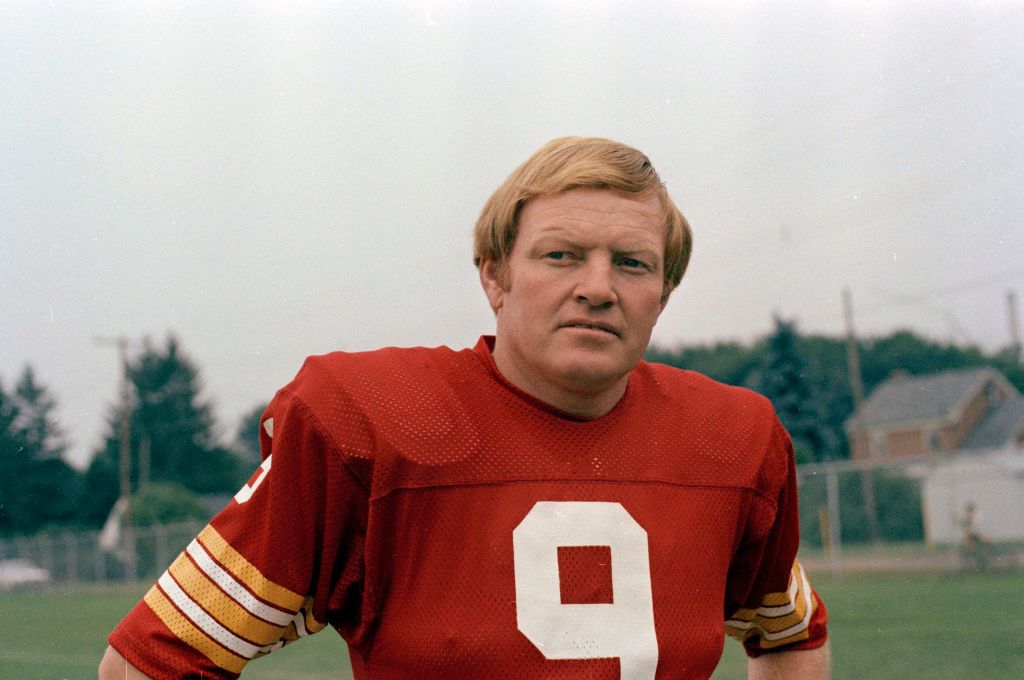
No. 9: Sonny Jurgensen, Quarterback (1964-74)

Photo Credit: Associated Press

Jurgensen, one of the greatest passers of his era, absolutely deserves to have his number retired. He joins Baugh as the only other Redskins’ signal-caller in the Hall of Fame, and while he never led the team to a championship, he did about as much as anyone could ask for.

After a successful stint with the Philadelphia Eagles, succeeding the legendary Norm Van Brocklin at quarterback, Jurgensen was traded to Washington prior to the 1964 season. He made his second Pro Bowl in his first season, and went on to lead the league in passing yards three times over the next 11 years. His 3,747 yards in 1967 broke the single-season he set with the Eagles in 1961, and he also led the league with 31 touchdowns that year, earning him his second career First Team All-Pro selection.

Jurgensen won a championship with the Eagles as a reserve quarterback, and split time with Billy Kilmer at quarterback during the team’s run to Super Bowl VII in 1972 (although he was injured during the playoffs). His 82.6 career passer rating is the best from the “dead ball” era (prior to 1978).

After football, Jurgensen remained involved with the franchise, primarily as a radio analyst, retiring just under a year ago. An underappreciated all-time great, Jurgensen at least deserves the appreciation of having his number officially retired.

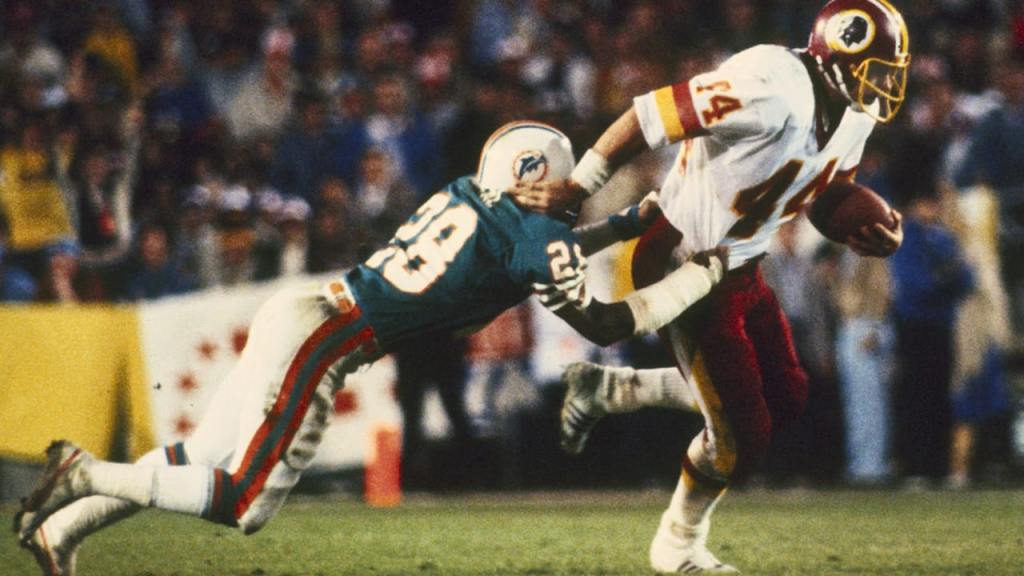
No. 44: John Riggins, Running back (1976-85)

Photo Credit: NFL.com

Riggo spent the first five years of his career with the New York Jets, but his best years were in Washington, as he continued to produce in his mid-30s, which is incredibly rare for running backs. He eclipsed 1,000 rushing yards four times in Washington, including in back-to-back years in 1983 and ’84, his age 34 and 35 seasons. His 24 rushing touchdowns in 1984 were a single-season record at the time, and he was named First Team All-Pro.

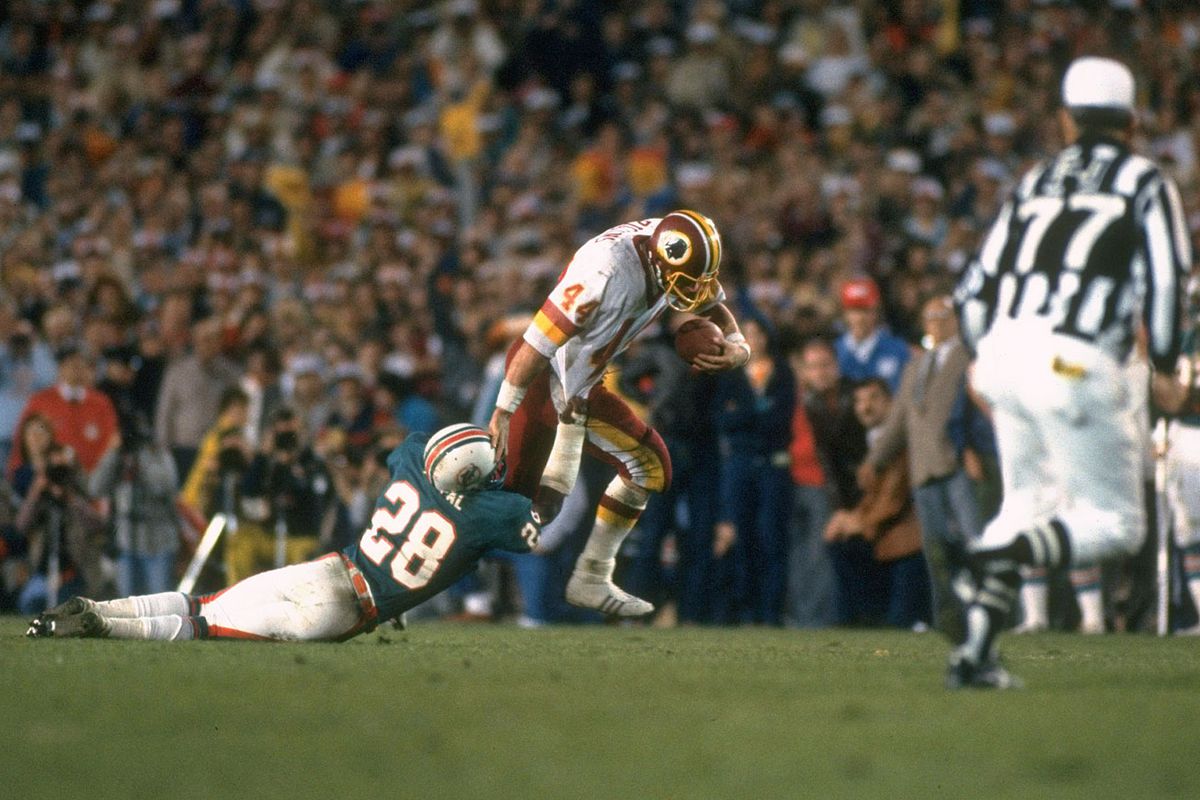
Riggins was also named MVP for the team’s first Super Bowl victory in the 1982 season, carrying the ball 38 times to total a then-Super Bowl record 166 yards on the ground in the 27-17 win. His late-game 43-yard touchdown run on 4th-and-inches remains one of the most iconic plays in franchise history, which includes a nasty stiffarm of Dolphins cornerback Don McNeal.

Riggins holds the franchise records for rushing attempts, rushing yards and rushing touchdowns, and his elite play late in his career gave him plenty of league records as the oldest player to achieve certain feats. With 104 career rushing touchdowns, he was just the second player to rush for 100 career touchdowns. The first to do so was Jim Brown.

Riggins was a longtime rushing force for the Redskins; he singlehandedly ran the team to its first Super Bowl title, and he remains a fan favorite long after his playing days have ended. The Hall of Famer meets all the requirements.

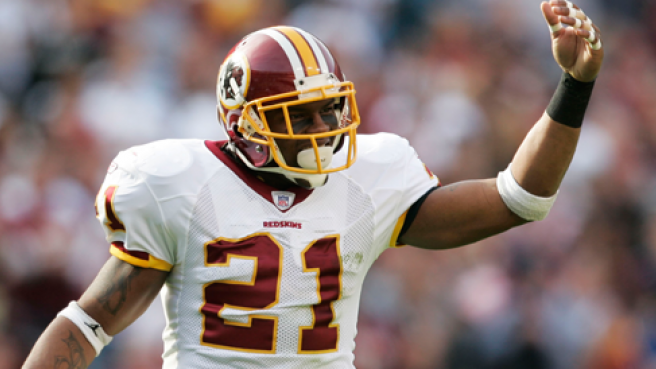
No. 21: Sean Taylor, Safety (2004-07)

Photo Credit: NBC Sports Washington

Taylor was an impact player from the start, grabbing four interceptions as a rookie while defending 15 passes. He quickly developed a reputation as one of the hardest-hitting safeties in the league, capable of creating a game-busting play at any moment. He was voted to the Pro Bowl in his final two seasons, and was posthumously named Second Team All-Pro in 2007, when he was in the midst of a career-year through nine games. The Pro Football Writers Association gave him First Team All-Pro honors that same season.

The only knock is that he was only on the team for four seasons before his death, preventing him from providing a full resume. Presumably, he would have been amongst the best safeties in the league for years to come. Perhaps we can’t say for sure, but looking at his impact on not only the Washington area, but on the next generation of safeties across the league, a number retirement is warranted.

Multiple safeties that have come through the Redskins have idolized Taylor, such as DJ Swearinger, who wore No. 36, Taylor’s rookie number, and Ha Ha Clinton-Dix and Landon Collins, who each donned No. 20 instead of their preferred No. 21. There was speculation that Collins would take No. 21 when he signed with the team in 2019, but he decided to leave it unoccupied. New Redskins safety Sean Davis has also credited Taylor as an inspiration, and that feeling is shared among plenty of defensive backs across the league today.

No one has worn No. 21 with the Redskins since Taylor died, and it should remain that way.

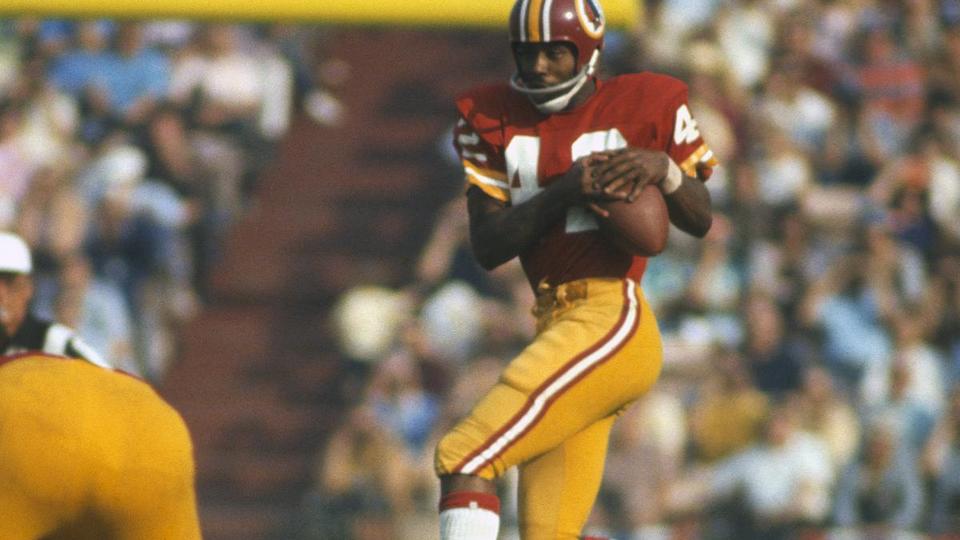
No. 42: Charley Taylor, Wide receiver/Halfback (1964-77)

Photo Credit: Newsbreak

Charley Taylor (no relation to Sean) was one of the greatest receivers of his generation, and he retired with the career record for receiving yards. He also spent time in the backfield earlier in his career, where he made four straight Pro Bowls in his first four seasons, but later emerged as a top receiver. He made four more consecutive Pro Bowls from 1972-75 playing wide receiver exclusively.

Taylor was selected to five AP All-Pro teams during his career, and he nearly won a Super Bowl with the team in 1972. Taylor’s efforts tend to get lost among the careers of the star receivers that came after him in a more pass-heavy league, but Taylor’s contributions to the game and the Redskins will always be remembered.

He worked as a scout and assistant coach with the team at different points after his retirement, and he still lives in the area. Like most of the others on this list, his number has not been worn by any player on the team since his retirement, so he essentially already holds this honor, but it would be nice to see it officially.

No. 81: Art Monk, Wide receiver (1980-93)

Photo Credit: Associated Press/NFL Photos

Monk was consistently among the best receivers in the league during the 1980s, and he was a member of all three Super Bowl-winning teams. He holds the franchise record for receptions and receiving yards, and he was the first player to have 900 career receptions, although he achieved that milestone while after leaving Washington at the tail end of his career.

Monk posted over 1,000 yards in a season five times, went to three Pro Bowls, and was a two-time All-Pro. An integral part of the franchise’s history, Monk’s No. 81 is yet another unofficially retired number, so there would not be a noticeable change.

Through multiple quarterback changes, Monk was still able to stake out a featured role in the offense for 14 seasons, and the team would not be the same without him.

No. 7: Joe Theismann, Quarterback (1974-85)

Photo Credit: Allsport

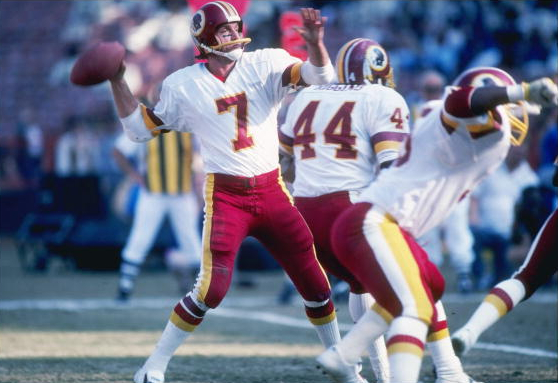
This one’s complicated, as his number is currently in use by the team’s current quarterback, so we’d have to wait a little longer to determine this one for sure. It went unworn until Haskins came around.

Theismann is the only player on this list besides Sean Taylor not in the Hall of Fame, but he is also the only one to have a regular season MVP award under his belt, which he won in 1983. He has the most completions and passing yards in franchise history, and ranks near the top of the other major franchise passing categories, usually behind only Baugh and/or Jurgensen.

He quarterbacked the team to its first Super Bowl, and like his backfield partner Riggins, blossomed later in his career. He passed for over 3,000 yards in each of his final three full seasons (not including the shortened 1982 season and his final season in 1985, when he appeared in just 11 games before sustaining his infamous career-ending injury). His two Pro Bowl appearances came during his age 33 and 34 seasons, as did his MVP and Offensive Player of the Year awards, which both came in the latter year.

Theismann may not boast any major NFL records like many of the others on this list, but when it comes to the Redskins’ franchise, he’s an invaluable piece worthy of recognition. Although if Haskins goes on to have a Hall of Fame-worthy career, they may have to settle for an unprecedented joint-number retirement, although there is a long while before we cross that bridge, if it ever comes to that.

Question Mark: The Hogs

This one is more complicated because it involves multiple offensive linemen, the most prominent being No. 68 Russ Grimm, No. 66 Joe Jacoby and No. 53 Jeff Bostic. None of their numbers have even been unofficially retired, as plenty of players have worn these numbers over the years, but as a group, The Hogs were among the most significant players in franchise history. A number retirement doesn’t appear to be in the cards, but they’re worth mentioning.

The Wizards’ best and worst free agency signings of the decade

In professional sports, free agents can make a world of difference for a team. Building through the draft is important, but being able to bring in an established player who can immediately bolster the roster can turn a playoff team into a championship contender. In other cases, teams just need a less expensive veteran to add some depth.

Washington is not considered a major spot for free agents, as it doesn’t boast the same type of weather and nightlife as Los Angeles and Miami, nor does it have the same market opportunities as New York or Chicago, but that has not stopped the team from bringing in major additions over the years.

Some have worked out great, like London Fletcher, who signed a five-year deal with the Redskins in 2007 and immediately became a major presence for the defense. Others have been disastrous, like Albert Haynesworth, who signed a seven-year/$100 million deal in 2009 but barely lasted two seasons.

Looking from 2010 to 2019, I will be breaking down the best and worst free agency signings from each of the four major Washington teams, concluding with the Wizards. These signings do NOT include contract extensions for players already on the team or players who came in from a trade. These are only for players who came to DC from another team through free agency.

Best: Paul Pierce (2014)

Photo Credit: Alex Brandon/Associated Press

Initial deal: Two years, $11 million

Subsequent deal(s): N/A (opted out of second year)

An argument can be made for Thomas Bryant, the third-year center out of Indiana whom the Wizards signed in 2018 off waivers and has since developed into the team’s starting center, but with no postseason success to speak of, Pierce edges him out.

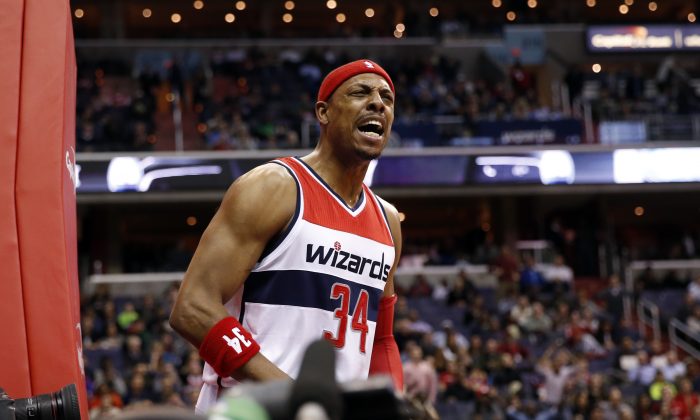
The then-36-year-old forward was well-past his prime when the Wizards signed him in 2014, but with the young backcourt of John Wall and Bradley Beal coming off their first playoff appearance, the team needed a veteran with postseason experience to help usher the team into an era of consistent playoff contention. Pierce, having won NBA Finals MVP just six years earlier, fit the bill.

Pierce started 73 games in his lone season with Washington, averaging 11.9 points, 4.0 rebounds and 2.0 assists per game as Wall, Beal and center Marcin Gortat allowed Pierce to settle into a complementary role.

Pierce will be remembered for his clutch shots in the team’s second round series against the top-seeded Atlanta Hawks in the 2015 playoffs. He hit the buzzer-beating game-winner in Game 3, while his would-be game-tying three at the end of Game 6 would have kept the Wizards’ season alive had the shot gotten off just a fraction of a second earlier.

The Wizards haven’t advanced past the second round in the John Wall era, so Pierce got the team as far as anybody else on the Wizards recently. Perhaps even more importantly, his impact has lasted longer than his tenure with the team. Wall and Beal have credited Pierce as a great influence in their development as leaders of this team, and while that has not manifested in any postseason success (the front office deserves the brunt of the blame for that), it still led to several strong seasons after Pierce left.

From a dollars-and-cents standpoint, Pierce’s production was a bargain for the size of his contract, but it’s his overall impact on the current core that makes him the greatest signing of the decade.

Worst: Ian Mahinmi (2016)

Photo Credit: Ned Dishman/NBAE via Getty Images)

Initial deal: Four years, $64 million

Subsequent deal(s): N/A

He’s making how much?! That’s right, behind Wall and Beal, Mahinmi is the third-highest paid player on the team. Mahinmi was signed in 2016 after posting career-highs in points (9.3), rebounds (7.1) and blocks (1.1) per game with the Indiana Pacers. Even with his progress, the size and length of the contract was inexplicably large for a 30-year-old center who, at best, was expected to form a tandem with Gortat at the five.

A torn meniscus in his knee that he suffered in October of that first season hampered his entire year, limiting him to just 31 games (no starts) in which he averaged 5.6 points and 4.8 rebounds in about 15 minutes per game. He managed to play 77 games in 2017-18, but he didn’t make any starts and his numbers actually regressed slightly.

Mahinmi was limited again the following year, playing just 34 games in 2018-19. His point and rebound averages dropped again to around four per game in each category. His $16 million salary continued to eat up cap space as injuries and age took their toll.

With Bryant’s injury this season, Mahinmi had the opportunity to be the main starter at center. He started 35 of the 38 games that he played. With limited options around him and an uptick in minutes per game, Mahinmi averaged 7.4 points, 5.7 rebounds and 1.2 blocks this season in what is the final year of his contract.

A disaster from the start, Mahinmi’s contract may be the crown jewel of Ernie Grunfeld’s mistakes as general manager, at least in the past five years. Paying out big money to starters who then underperform is common, and missing on draft picks happens all the time, but splurging on a mediocre-at-best center on the wrong side of 30 to play off the bench just boggled my mind at the time; I still have trouble finding the reasoning today.

Even if Mahinmi had reached his ceiling with the team, it would have been an overpayment, but the injury troubles and limited playing time has made this deal a trainwreck. With Wall already commanding one of the largest contracts in the league and Beal having a max contract of his own, the team literally can’t afford to waste cap space elsewhere, but Mahinmi does anything but help.

The team’s struggles won’t be cured once his deal comes off the books in 2020-21, but having that extra $16 million to invest in more impactful players shouldn’t hurt.

How does Bertāns sitting out impact Wizards, NBA?

It didn’t seem possible for the Wizards’ playoff chances to get any slimmer, but Dāvis Bertāns has proved that wrong. The Wizards’ power forward, who had a breakout year in Washington this season, announced he will not rejoin the team when training restarts in Orlando on July 7.

Bertāns, who averaged career-highs in points (15.4) and rebounds (4.5) per game while coming off the bench in his first season with the Wizards, was the second-highest scorer on the team behind Bradley Beal. He was poised to take a bigger role as the team pushed for a playoff position. Not anymore.

The Latvian forward is set to hit free agency this offseason, and after his leap in Year Four of his NBA career, he will be much-sought after in the open market. Perhaps the Wizards’ initial postseason chances dissuaded him from risking major injury or sickness as he enters what could be a lucrative offseason for him.

While the Wizards will be in the running to re-sign him, Bertāns very well could have played his last game in a Wizards uniform. The absence of the sharpshooting forward in Orlando means the Wizards will be without their second-biggest offensive threat as a team that plays practically zero defense.

Without Bertāns, rookie Rui Hachimura and third-year center Thomas Bryant will be relied on to step up their production. Moritz Wagner will likely get more playing time off the bench at the four as well. All three are promising young players who look to be solid contributors in the foreseeable future, as both Hachimura and Wagner were selected to play in the Rising Stars Game at All-Star Weekend this year, but none are capable of being the second option on a playoff threat, at least not at this point in their careers.

Already at a disadvantage in terms of playoff chances, the Wizards will really need to rally the troops in order to have any shot at qualifying. The team needs to win two more games than the Orlando Magic or Brooklyn Nets in order to force a play-in tournament, and they will have to do so as the underdog in every matchup, without their usual second option on offense.

I went over the potential eight-game schedule when the restart plan was announced, but with scheduling conflicts and overlaps, it may be changed. Taking into account the current expected schedule, the Wizards will play the Boston Celtics and Milwaukee Bucks twice each, meaning half of their schedule is against top three teams in the East. It was going to be a tall task with Bertāns, so any hopes will be seriously hindered without him.

In the grand scheme of things, the Wizards aren’t losing too much; it’s not like they were favored to make the playoffs to begin with, much less expected to challenge for the championship, so this is the smartest move for Bertāns, who has also suffered two ACL injuries in his career. What will be interesting to watch is how many players follow suit. Others have speculated sitting out the restart, but Bertāns is the first to actually commit to it.

Whether it’s other Wizards’ players, or stars on other playoff teams, the players who also choose to sit out could dramatically alter the postseason. I wouldn’t imagine major pieces on contenders like the Bucks or both LA teams passing up a chance to win a championship, but any lower-seeded team that remains mostly intact could make a serious run if surrounded by higher-seeded teams that lose one or two important players.

There are still a lot of question marks entering the NBA restart, but Bertāns just opened up a bunch of doors for the league, while also likely shutting the door on the Wizards’ playoff chances.

(Cover Photo Credit: Nick Wass/Associated Press)

The Redskins’ best and worst free agency signings of the decade

In professional sports, free agents can make a world of difference for a team. Building through the draft is important, but being able to bring in an established player who can immediately bolster the roster can turn a playoff team into a championship contender. In other cases, teams just need a less expensive veteran to add some depth.

Washington is not considered a major spot for free agents, as it doesn’t boast the same type of weather and nightlife as Los Angeles and Miami, nor does it have the same market opportunities as New York or Chicago, but that has not stopped the team from bringing in major additions over the years.

Some have worked out great, like London Fletcher, who signed a five-year deal with the Redskins in 2007 and immediately became a major presence for the defense. Others have been disastrous, like Albert Haynesworth, who signed a seven-year/$100 million deal in 2009 but barely lasted two seasons.

Looking from 2010 to 2019, I will be breaking down the best and worst free agency signings from each of the four major Washington teams, continuing with the Redskins. These signings do NOT include contract extensions for players already on the team or players who came in from a trade. These are only for players who came to DC from another team through free agency.

Best: Pierre Garçon (2012)

Photo Credit: Mark J. Rebilas/USA TODAY Sports

Initial deal: Five years, $42.5 million

Subsequent deal(s): N/A

Garçon emerged in Indianapolis as a sixth-round steal. After catching passes from Peyton Manning in his final seasons with the Colts, Garçon proved he was more than just a product of elite quarterbacking talent, totaling a then-career-high of 947 yards and six touchdowns in 2011 with Curtis Painter, Dan Orlovsky and Kerry Collins splitting time at quarterback for the 2-14 Colts.

The Redskins signed Garçon for 2012 to give new quarterback Robert Griffin III a solid receiving target. Garçon missed six games in that first season due to a foot injury, but he still led the team with 633 yards. Solidifying himself as RG3’s top target, a healthy Garçon topped the league with 113 receptions in 2013 and totaled 1,346 yards (eighth-most in the league) to blow his previous career-high out of the water.

Garçon didn’t eclipse 1,000 yards again until 2016, his final year in Washington (1,041 yards), but he finished no lower than second on the team in receiving yards all five years. He was on both division title teams in 2012 and 2015, and his 4,549 yards across all five seasons are 10th-most in franchise history, and the most among players who played five years or fewer in Washington.

Despite posting his second 1,000-yard season in the final year of his contract, the team let him walk in free agency, where he reunited with former Redskins offensive coordinator Kyle Shanahan on the San Francisco 49ers with a five-year/$47.5 million deal with a team-option after two years. Injuries in both years held him to just eight games each season, and the team declined his option prior to the 2019 season.

Worst: Josh Norman (2016)

Photo Credit: Patrick Semansky/Associated Press

Initial deal: Five years, $75 million

Subsequent deal(s): N/A

Norman, like Garçon, was a late-rounder who bloomed into a major contributor. Going in the fifth round to the Carolina Panthers in 2012, Norman developed into a cornerstone on the vaunted Panthers defense of 2015. Shutting down practically every receiver he faced, Norman helped the Panthers go 15-1 en route to Super Bowl 50, where they lost to the Denver Broncos.

Norman was named First Team All-Pro for his efforts, which included four interceptions, three forced fumbles and 18 passes defended. Opposing quarterbacks had a 54.0 passer rating against Norman, the lowest in the league that year. 2015 was the final year of his contract, and after initially being franchise tagged by Carolina, Norman was eventually allowed to walk.

The Redskins subsequently handed him a five-year/$75 million deal to make him the highest-paid cornerback in league history (he has since been passed). Adding a shutdown All-Pro corner to the secondary was seen as a huge step for the Redskins defense, which had just won the NFC East championship in 2015.

Norman started all 16 games in 2016, pulling in three interceptions and defending 19 passes. His 67 combined tackles were also the most since his rookie season. It was impossible to replicate what he did in 2015, so some fans felt he was not living up to his contract, but in a vacuum it was a strong season.

Norman missed a couple games in 2017, but he started the other 14 games. He did not record any interceptions that season, and he received more criticism regarding his play relative to his contract. 2018 was a slight improvement for interceptions (3), but his passes defended remained down (9), and it became clear as he reached his early 30s that he was no better than an average starter at corner.

Things took a turn in 2019, when his play deteriorated to the point that interim coach Bill Callahan took him off the starting secondary unit. Making just eight starts in 2019, Norman completely dropped off as the team sunk to 3-13. With one more year left on his contract entering 2020, the team released him this offseason. He has since signed a one-year/$6 million contract with the Buffalo Bills.

While he was not a total disaster until his final year with the team, the size of Norman’s contract and the lack of All-Pro or even Pro Bowl production made it a disappointing outcome. His release opened $12.5 million in cap space, and with more space expected for 2021, the Skins may be able to move past the Norman deal if they invest in the right people.